Asymmetrical sapphire and diamond earrings fetch CHF 304,800 at Christie’s Geneva
A pair of asymmetrical sapphire and diamond earrings soared to CHF 304,800, more than six times estimate, in Geneva’s latest signal of fierce appetite for rare color.
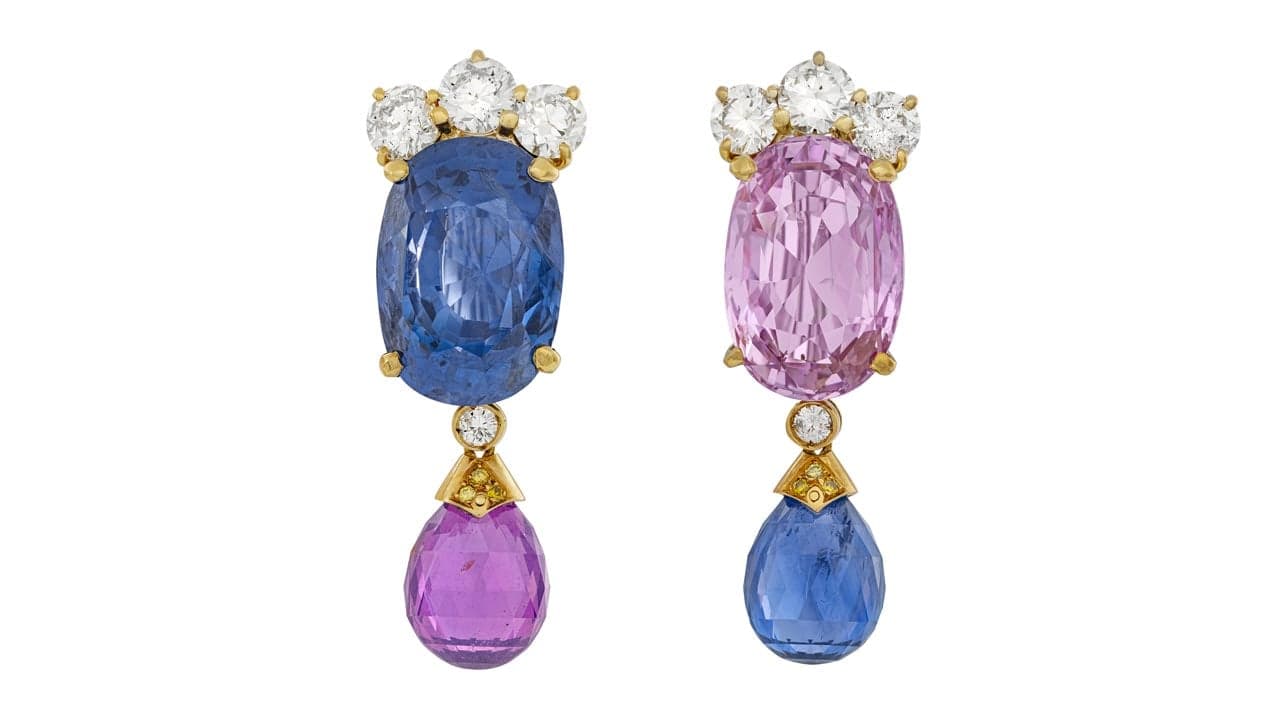
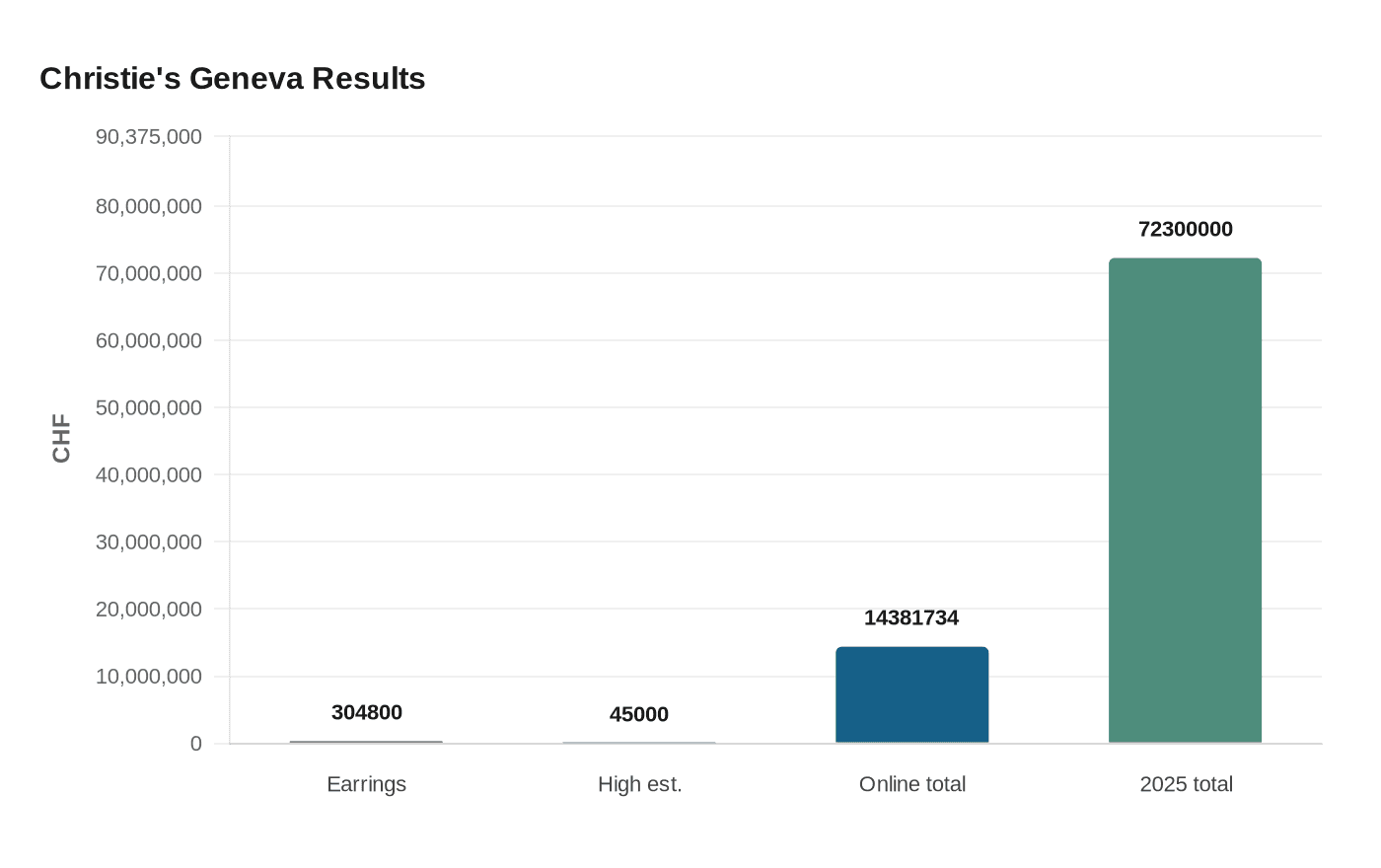
A pair of deliberately asymmetrical sapphire and diamond earrings drew CHF 304,800 at Christie’s Geneva, a result that more than sextupled the CHF 45,000 high estimate and sharpened the case for colored-stone jewels with distinctive design to command serious money.
The earrings sold in Christie’s Jewels Online auction in Geneva on May 19, 2026, after a bidding window that ran from May 7 to May 19. Christie’s described the pair as a study in contrast: one earring paired an oval Ceylon sapphire with diamonds and a purple-pink sapphire, while the other carried an oval pink sapphire linked by diamonds to a briolette-cut Ceylon sapphire. The kind of imbalance that once might have seemed eccentric now reads as collector-minded, a design choice that gives the stones a narrative as well as a palette.
The lot’s strength was not an isolated flourish. Christie’s Jewels Online Geneva closed at CHF 14,381,734, and the earring result arrived in a season already marked by aggressive demand for exceptional color. In the broader Geneva market, a separate 2026 Christie’s sale featured a blue-green diamond that sold for more than $17.3 million, reinforcing the appetite for stones that are rare enough to feel singular rather than merely expensive.
That appetite has a clear precedent. Christie’s Geneva Magnificent Jewels sale on May 14, 2025 achieved 100% sell-through and totaled more than $72.3 million, with 77% of lots selling above their high estimates. Christie’s said there was strong demand throughout that auction for colored diamonds and colored gemstones, especially vibrant and rare varieties. Taken together with the latest earring result, Geneva is looking less like a market that rewards conventional size alone and more like one that pays up for color, personality and immediate visual distinction.
For diamond jewelry, that matters. A well-cut white diamond still has the advantage of liquidity and recognition, but these Geneva results suggest that collectors with capital are increasingly chasing pieces that offer a sharper point of view: unusual stones, clever asymmetry, and craftsmanship that turns a jewel into an object with character. In that competition, diamonds may need stronger rarity, more sculptural settings or more memorable design to pull the same bidders away from exceptional colored stones.
Know something we missed? Have a correction or additional information?
Submit a Tip