Best Places to Buy Natural and Lab-Grown Diamonds in 2026
Find the right diamond by matching priorities: James Allen for lab-grown depth, Brilliant Earth for sustainability claims, and Rare Carat for heavy consumer protections.

1. James Allen
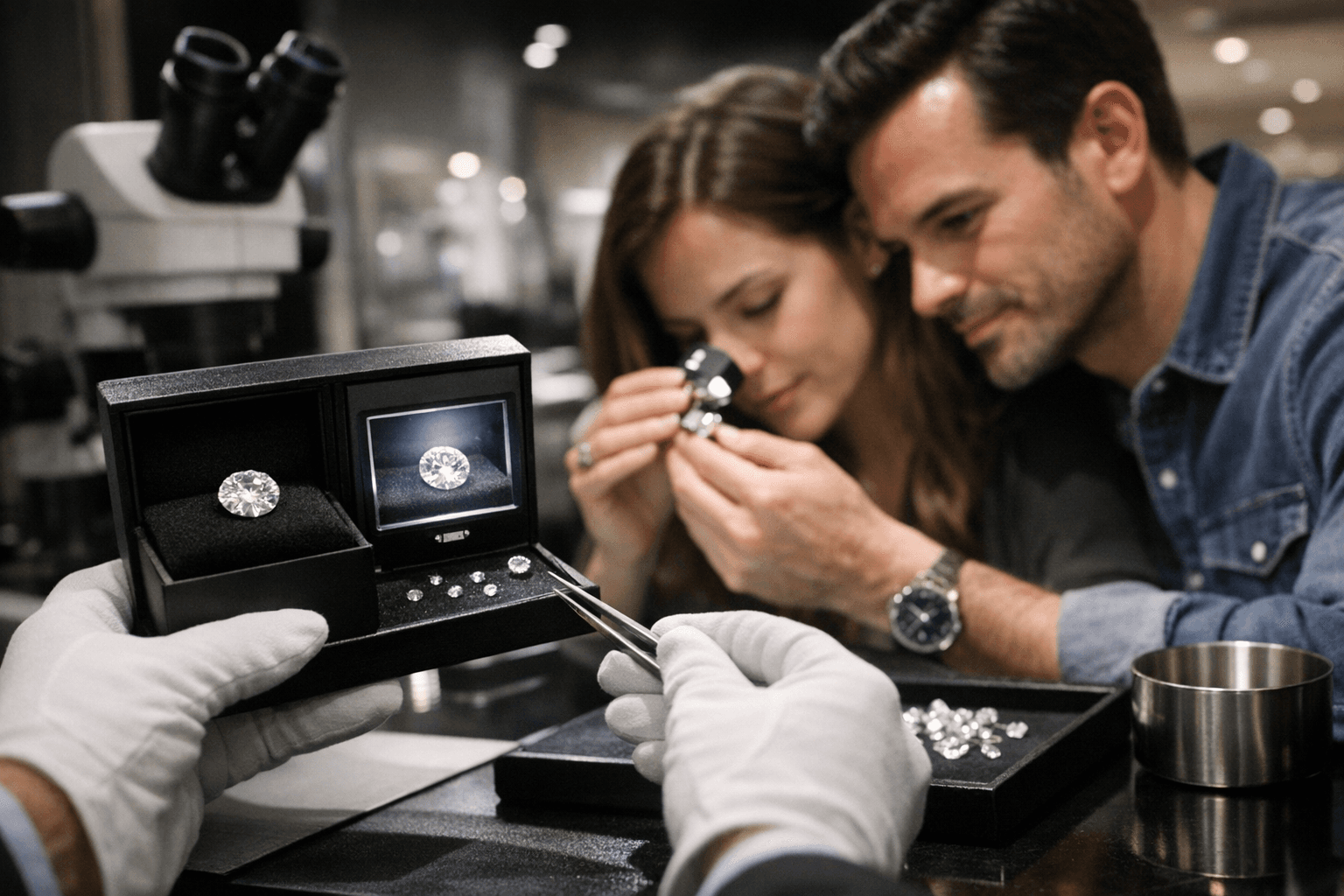
James Allen earns top billing for lab-grown diamonds thanks to an expert endorsement that places it in the “first spot” for lab-created stones. Yourdiamondteacher notes James Allen carries more IGI-graded lab-created diamonds than many competitors, which matters if you prefer IGI grading for lab-grown stones (the expert’s stated preference). The site’s microscope-view technology and large inventory make it easy to inspect cuts and compare brilliance before buying, which is essential when cut quality determines sparkle. If you prioritize lab-grown selection and strong IGI representation, James Allen should be on your short list.
2. Brilliant Earth
Brilliant Earth positions itself as the sustainability-forward option, saying it has led responsible sourcing “since 2005” and offers “thousands of independently graded lab diamonds” alongside “cutting-edge shopping technology.” That combination, claims of scale plus showroom access in more than 40 U.S. locations, makes it a practical choice for shoppers who want both an in-person preview and a large lab-grown inventory. Note: Brilliant Earth’s marketing highlights responsibility and scale, but its copy here does not list exact grading labs or the split between IGI, GIA, or other certificates; ask for specifics on which labs grade their stones and what percent of inventory is independently certified before you commit.
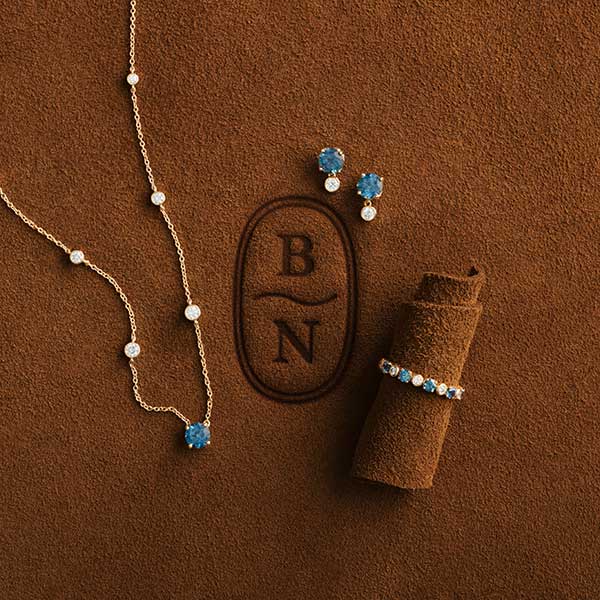
3. Blue Nile
“With Blue Nile, you’ll feel like you’re having a one-of-a-kind custom experience,” writes an editorial source, describing the flow: choose a diamond, pick a setting, and preview the finished ring. Blue Nile offers both natural and lab-grown diamonds, around 260 engagement ring settings (a figure cited by Yourdiamondteacher), and designer collaborations including Zac Posen and Bella Vaughan. Its financing option, 9.99% APR with 24 monthly payments on a Blue Nile credit card, with interest-free promo windows if paid in full within six or 12 months, is a concrete shopping detail to weigh. Blue Nile’s strength is customization and curated edits; if you want designer styles plus the ability to mix-and-match diamonds and settings, it’s a strong contender.
4. Rare Carat
Rare Carat markets itself heavily on consumer protections: “From a 100% money-back guarantee to free 30-day returns and fully insured shipping,” the company says, adding that expert jewelers in New York and New Jersey “handcraft each piece” and that “every ring undergoes microscopic quality checks by independent QA specialists.” Those after-sale commitments, money-back, insured shipping, QA and a remelt/remake policy, are compelling if you want a safety net around an online purchase. Remember these are company claims; use them as selling points but confirm the fine print (what triggers a refund, who pays return shipping, warranty length) before buying.
5. Whiteflash
An expert reviewer praises Whiteflash’s lab-grown diamonds as premium: “Whiteflash’s lab-grown diamonds are more expensive but that is for a good reason…among the best cut diamonds you will ever find.” Whiteflash’s selection is described as comparatively small, but the focus is on cut quality and nearly universal IGI certification for its lab-grown inventory. If scintillation, optical performance and top-tier cut grades are your priority, and you’re willing to pay a premium for them, Whiteflash is worth visiting; the trade-off is fewer pieces to choose from compared with mass-market inventories.
6. Grown Brilliance
Crowned by one editorial outlet as “Best Place to Buy Lab-Grown Engagement Rings,” Grown Brilliance is singled out for its lab-grown focus and a Soho flagship that allowed editors to inspect stones in person. Pros called out include use of recycled gold, a lifetime warranty, and a large catalog of non-engagement fine jewelry; the one noted con was a single negative review about repair service. If you value a brick-and-mortar inspection of lab-grown stones and an explicitly lab-focused assortment, plus recycled-metal options, Grown Brilliance is a top in-person option. Ask specific warranty and repair-time details before purchase, since one reported repair issue suggests service can vary.
7. Kay Jewelers
If budget is the primary constraint, Kay remains a legacy, mass-market option: an editorial summary calls Kay “the best online destination for the money,” noting engagement rings under $2,000 and a “nice selection of men’s engagement rings.” Kay’s advantages are accessibility, a very wide price range, and free expert styling services; the trade-off is that styles skew traditional, which may not satisfy someone seeking very modern or independent designer aesthetics. For a first ring or a value-oriented purchase with in-store access, Kay is practical, but be explicit about certification and grading on the specific diamond you choose.
8. Mejuri
Mentioned by an editorial outlet as an example of a “wallet-friendly” option, Mejuri represents the modern direct-to-consumer end of the spectrum for fine jewelry. The brand was cited by Forbes as a lightweight, budget-conscious example when explaining their range of retailers, from budget to luxury, so consider Mejuri for smaller-stone everyday pieces or accent-diamond styling. Mejuri’s mainstream appeal lies in approachable price points and contemporary designs; if you want a large solitaire or investment-grade stone, look elsewhere.
9. David Yurman
At the opposite end of the spectrum from wallet-friendly examples, David Yurman was used as a representative luxury example in the same editorial rubric. Consider David Yurman when you want designer provenance and high-fashion house signatures in metalwork and settings, not strictly the lowest price per carat. Expect premium markup driven by brand cachet and craftsmanship; if a branded-luxury aesthetic and established house techniques are central to your purchase, it’s an appropriate choice.
10. Shane Co.
Shane Co. appears among competitors listed by industry copy as another option with particular advantages. Retailers like Shane Co. often combine in-store service with inventory breadth; treat entries such as this as honorable mentions to probe further for their certification practices and in-house service policies. Ask specifically which grading laboratories their diamonds come from and whether their warranty and return policies match the protections offered by top-ranked retailers.
11. VRAI
VRAI was named alongside other retailers as a competitor in the lab-grown space; it’s best viewed as an honorable mention until you’ve confirmed specifics on sourcing and certification. If sustainability and vertically integrated practices interest you, VRAI often markets itself around those themes, verify exactly which claims are independently documented, which labs grade the diamonds, and what warranty or trade-up programs are offered.
Final point: Choose a retailer by aligning priorities, certificate lab (IGI vs GIA) and who issues it, cut quality and ability to inspect stones online or in-store, and the strength of returns, warranties and post-sale services, and treat brand “best” claims as starting points to verify policies, certification labs, and provenance details before purchase.
This article was produced by Prism’s automated news system from verified source data, official records, and press releases, then run through automated quality and moderation checks before publishing. The system is built and supervised by the people who set the standards it runs under. Read our full AI policy.
Did this article answer your question?