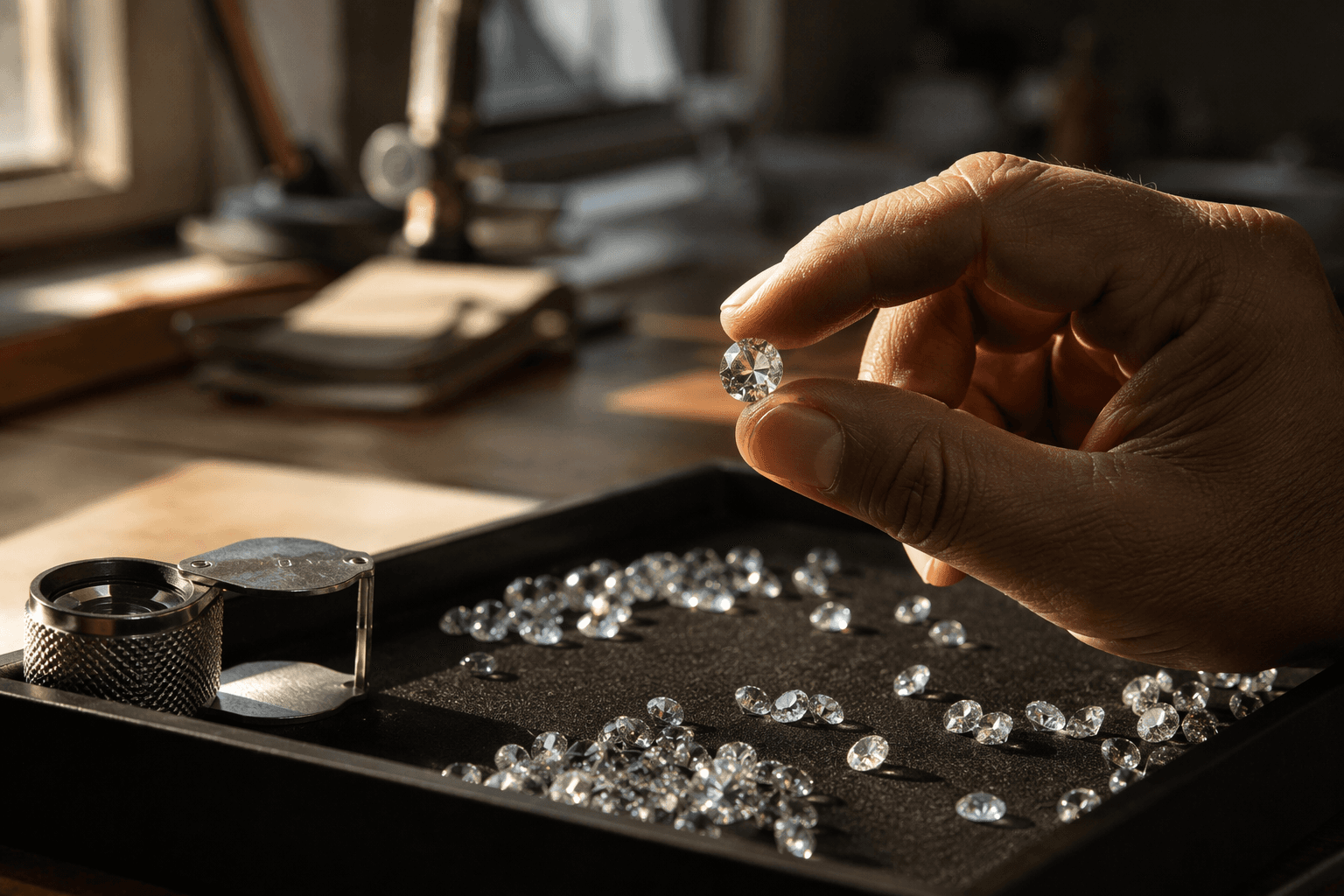
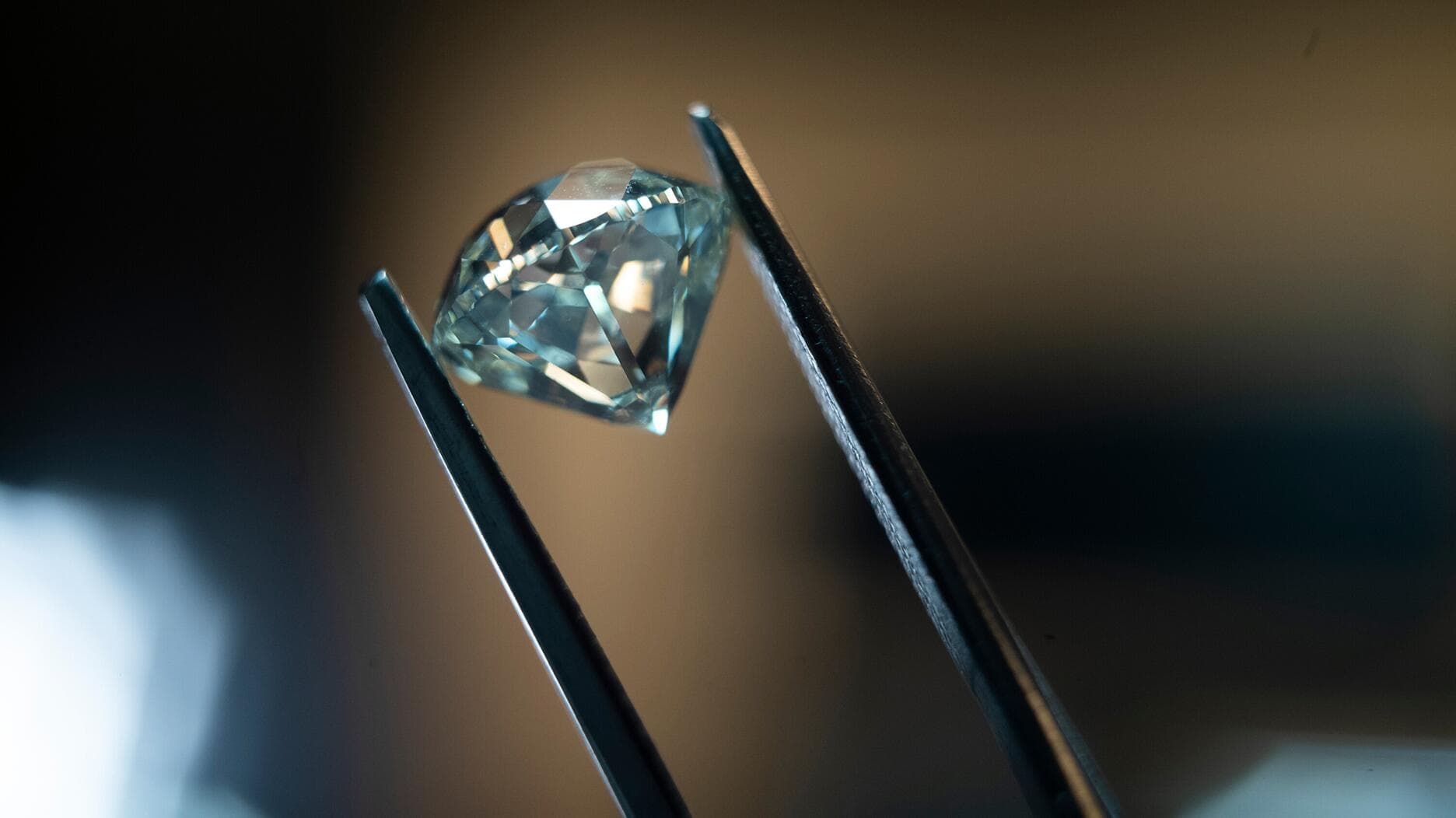
Character-driven engagement rings reshape diamond jewelry trends for 2026
Character-first engagement rings are moving from niche to norm, as lab-grown center stones dominate purchases and colored, textured designs win on personality and price.
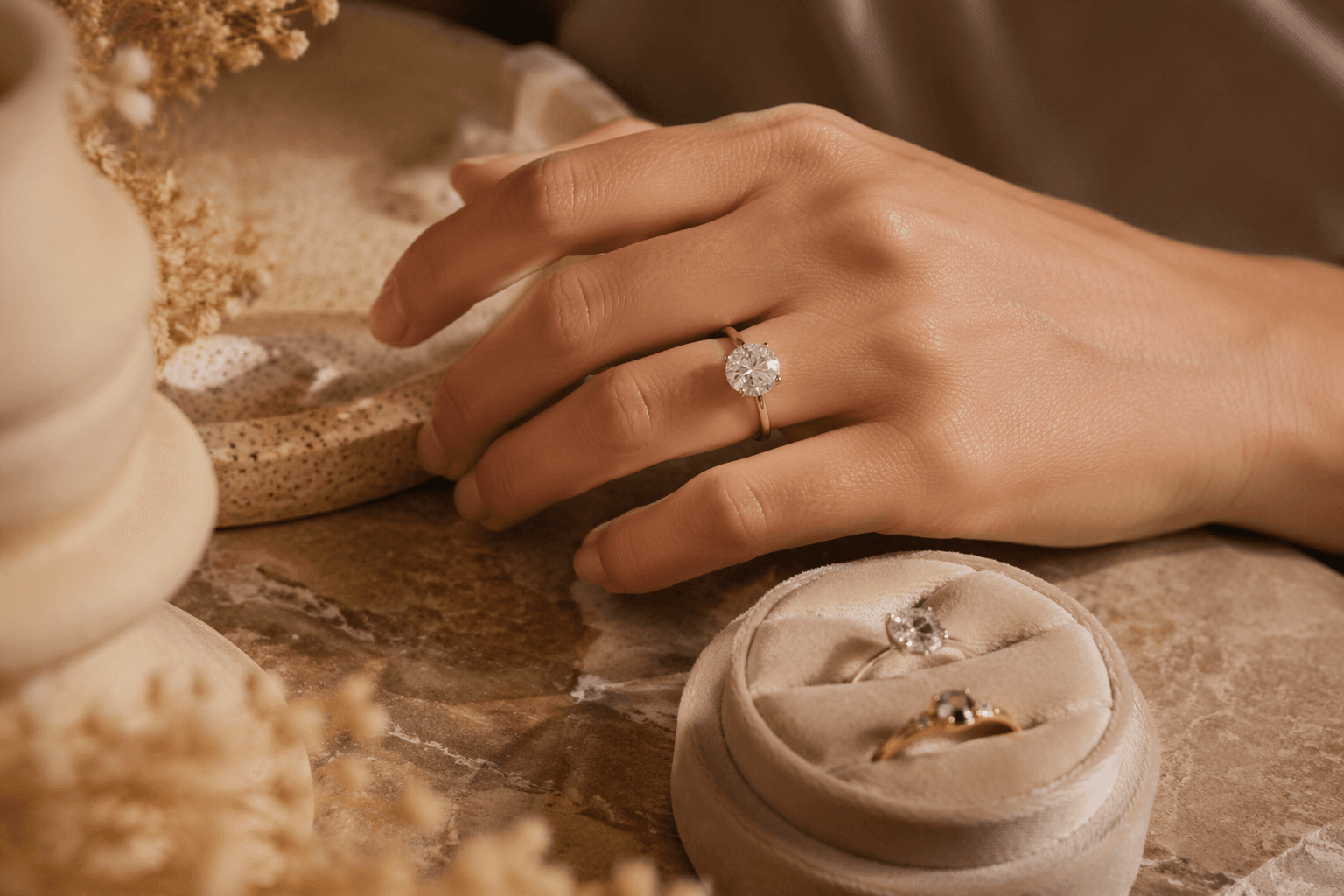
Hammered finishes, colored stones, retro silhouettes, and cluster settings are moving engagement rings toward pieces that look chosen for character, not just carat weight.
From symbol to signature
Engagement rings have never been fixed in place. Roman betrothal rings were plain iron hoops, and diamonds entered engagement rings in the 15th century. Sapphires and rubies were already in the mix by the Middle Ages, so the current turn toward color is less a break with history than a return to one of its oldest threads. The modern left-hand ring-finger tradition, meanwhile, still carries the echo of an ancient belief about a vein leading to the heart.
Today’s most interesting rings do not feel like departures from engagement jewelry. They feel like reinventions of it. A sapphire, a ruby, or a diamond framed in a cluster or set against a hammered band does the same symbolic work as a classic solitaire.
Why color is back in the conversation
Colored gemstone engagement rings have long been associated with royalty and celebrities, and Princess Diana’s 1981 sapphire engagement ring became a modern reference point for the look. When Kate Middleton later wore that ring, sapphire’s place in bridal jewelry moved from historical note to living cultural shorthand.
A colored engagement ring is not simply a trend-coded alternative to diamond; it carries a shorthand of lineage, visibility, and intention. Buyers who want something distinctive can point to a sapphire, ruby, or other gem and know it already has a place in the canon.
The market is teaching the trade what sells
The style shift is playing out against a changing commercial backdrop. De Beers says the United States remains the largest end-market for diamond jewelry, and its 2025 pricing data showed the average price of natural diamond jewelry rising to $4,063 per piece from $3,242 in 2023.
De Beers also said its 2026 consumer research found natural diamond desirability in the US ranked ahead of lab-grown diamonds, other gemstones, and plain gold jewelry among women’s luxury preferences. That does not erase the momentum of lab-grown stones, but it shows that natural diamonds still hold powerful cultural ground when buyers think beyond the center stone alone. For jewelers, the result is a split market: volume is moving one way, prestige another.
Lab-grown volume is changing the shape of the ring case
The Knot’s Real Weddings Study 2026 found lab-grown center stones accounted for 61 percent of all engagement ring purchases, up 239 percent since 2020. The same study found that nearly 9 in 10 proposers now buy a ring before proposing. Rings need to be legible at a glance, easy to choose under pressure, and flexible enough to feel personal without demanding months of custom work.
That is where character-driven settings gain traction. A hammered finish reads handmade even when the stone is straightforward. A cluster can create scale and sparkle without the price of a large single stone. A retro silhouette can feel custom without being fully bespoke. They are practical responses to a market where buyers are more price-conscious, more self-directed, and more likely to shop with a fixed plan in hand.
Which looks look built to last
The strongest of the current looks are the ones with both visual distinction and structural logic. Colored center stones have the deepest roots, because they draw on centuries of precedent and a clear royal lineage. Retro silhouettes also have staying power, especially when they borrow from Art Deco geometry or vintage-inspired proportions, because they translate well across different budgets and stone sizes.
Hammered finishes and cluster settings are slightly different. They answer today’s appetite for texture and individuality, but they also depend heavily on execution. A well-made hammered band can give a ring a handmade surface that feels tactile rather than rustic. A cluster needs disciplined composition, or it can tip into costume. Well-made versions offer customization without demanding an outsized diamond, the sort of value-conscious design the current market rewards.
What 2026 buyers are actually buying into
The new engagement ring landscape is less about abandoning the solitaire than about revising its authority. A single stone in a clean setting still has power, especially when buyers want the stone itself to carry the story. But the surge in lab-grown center stones, the rise in pre-proposal purchases, and the renewed appetite for color and texture all point to the same conclusion: people want rings that say something specific about the wearer, not only about the tradition.
Rough diamond trading conditions were challenged in 2025, in part because of new US tariffs on diamond imports from India, the main cutting center for natural diamonds, De Beers said. That affects what reaches the counter, how it is priced, and how jewelers position their collections. When natural diamond jewelry costs more and the route from rough stone to finished ring gets more complicated, distinctive design becomes part of the sales argument.
This article was produced by Prism’s automated news system from verified source data, official records, and press releases, then run through automated quality and moderation checks before publishing. The system is built and supervised by the people who set the standards it runs under. Read our full AI policy.
Did this article answer your question?