Colored gemstones gain ground in bridal rings as buyers seek uniqueness
Bridal buyers are trading diamond sameness for color, and retailers say that shift is pulling real dollars out of the diamond case.
Colored gemstones are no longer the side story
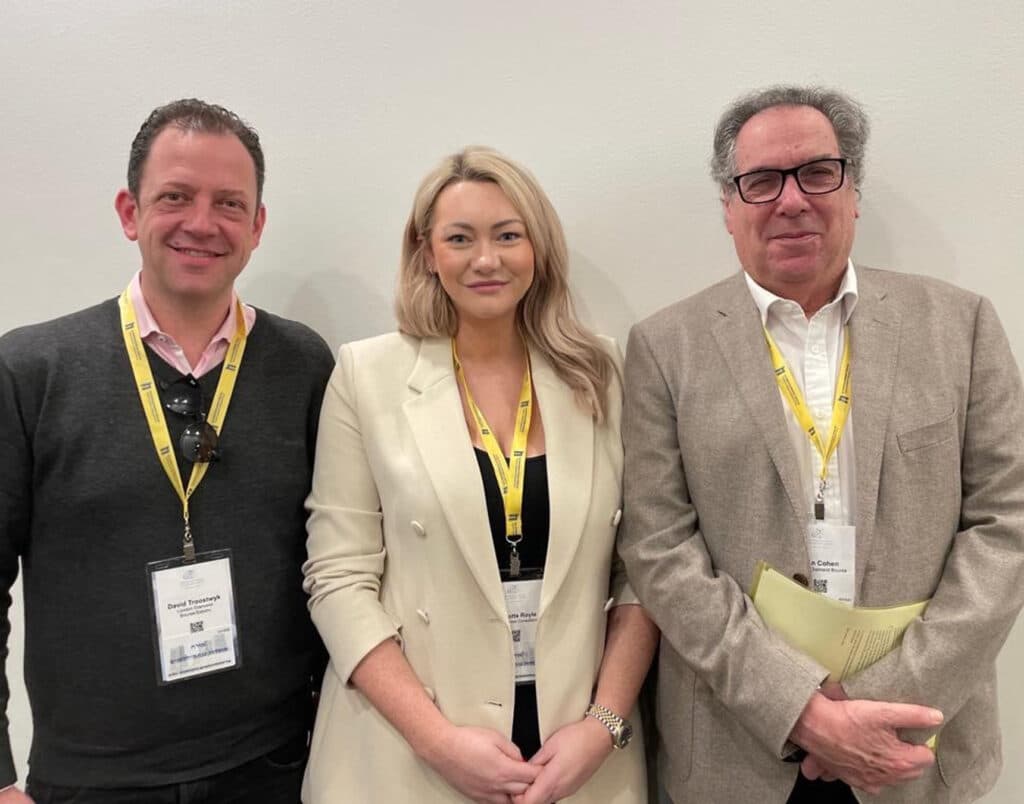
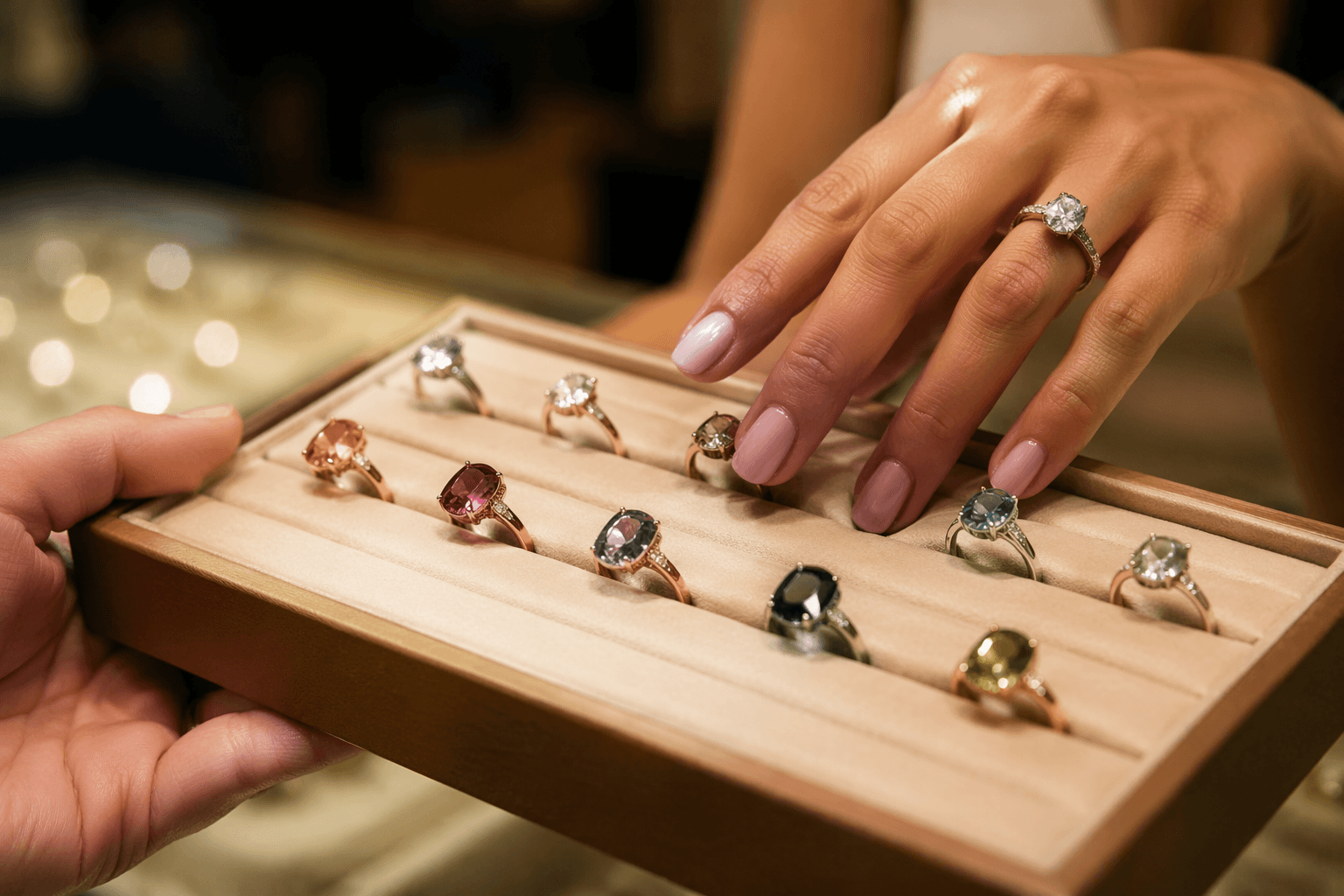
At a JCK Talks panel at JCK Las Vegas on May 30, 2026, retailers described a bridal market that is increasingly willing to trade white-diamond sameness for color. Sapphires, emeralds, bicolor tourmaline, and even rubies are moving into engagement-ring center stones as buyers look for something that feels more personal and visibly natural.
That matters for diamond jewelry because the competition is no longer just between natural and lab-grown stones. Color is becoming a third path, one that can satisfy the desire for beauty and distinction without forcing the buyer into the same carat-count conversation that drives so many diamond sales.
Why color is winning share
Kimberly Collins, a dealer and jewelry designer based in Reno, Nevada, said, “Color has never been more hot in my 30-year career,” and added that it is now selling itself. Her point is simple: buyers are arriving already convinced that a colored gemstone reads as more individual than a standard diamond solitaire, especially when lab-grown diamond rings are everywhere.
Danny Shaftel, chief executive of Shaftel Diamonds in Houston, said clients are comparing colored stones with large lab-grown diamond center stones, and some high-end customers who could buy a 3- to 5-carat natural diamond are now considering a colored gemstone instead. That is the heart of the competitive threat for bridal diamond: a colored center stone can offer a distinctive look at a lower price point than a much larger natural diamond, which shifts the value conversation away from size and toward personality.
Which stones are gaining ground
The bridal appetite for color is broadening fast. Collins said greens, reds, pinks, purples, and garnet are trending, and she brokered four or five ruby bridal settings recently, a notable sign that ruby is no longer reserved only for collectors or anniversary gifts.
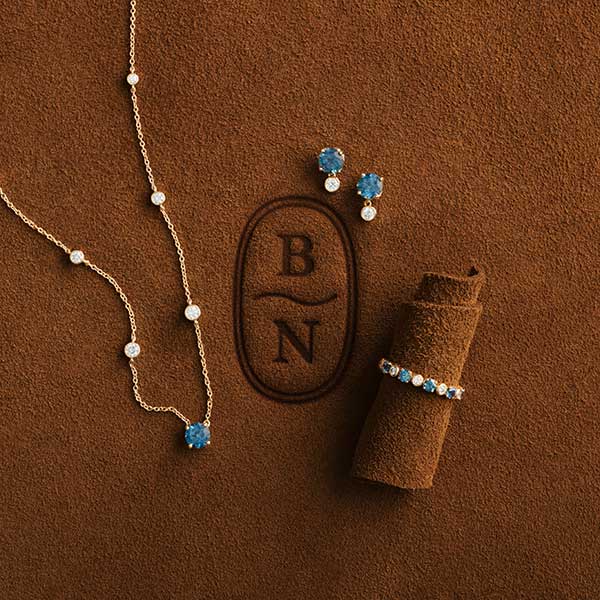
CNBC has also reported strong pickup in sapphire, morganite, London Blue Topaz, aquamarine, green quartz, amethyst, and ruby in wedding and Valentine’s business. Taken together, the list shows that buyers are not fixated on one “it” stone; they are using color as a design language, with the center stone itself carrying the message of originality.
What the numbers say about demand
The shift has been building for years. Angara chief executive Ankur Daga said colored gemstones accounted for about 5% of engagement rings a decade ago and more than 15% by early 2024, while a survey of more than 2,000 people found that more than 20% would upgrade to a colored gemstone engagement ring if they could.
That is a meaningful share gain in a category where every point matters. For retailers, it suggests that color is not just a niche for the adventurous buyer, but a real alternate path for shoppers who might otherwise have chosen a diamond center stone and spent more heavily on size.
Supply and scarcity are shaping the story
Emerald is the clearest example of how supply can sharpen desirability. At 2025 JCK Las Vegas, Shekhar Shah of the American Gem Trade Association said emerald supply had become extremely challenging over the prior 12 to 24 months, with higher mining costs, lower yields, and stronger auction competition, and he said prices were not likely to come down in the next year to year and a half.
That scarcity makes sourcing part of the sales pitch, whether the retailer spells it out or not. AGTA, which promotes education and fair business practices in natural colored gemstones and pearls, has been framing color as both a design choice and a market opportunity, and Bruce Bridges said at that same panel that color is the future.
What retailers must do to keep bridal dollars from leaking away
Selling color well takes more than a pretty case. Jessie Vaughn, a buyer for Lux Bond & Green in New England, said her company uses onboarding education, monthly gemstone emails, in-store training, and trunk shows to make sales staff comfortable with colored stones, because the average associate cannot assume a buyer already knows the difference between a fine sapphire, an emerald, and a tourmaline.
That training matters because the category lives or dies on confidence. A shopper who walks in wanting “something different” can easily be lost to a competitor if the salesperson cannot explain why one stone feels rarer, why another is more durable, or why a color choice better matches the buyer’s budget than a larger natural diamond or a lab-grown center stone.
The new bridal equation
Colored gemstones are gaining ground because they solve multiple problems at once. They offer uniqueness, visible natural character, and a different price conversation, while also giving retailers a way to keep a bridal client in the store when a diamond feels too expected or too expensive.
For diamond retailers, the response cannot be passive. The assortment has to widen, the sales team has to get sharper, and the story has to move beyond carat weight alone, because bridal buyers are increasingly willing to let color do the talking.
This article was produced by Prism’s automated news system from verified source data, official records, and press releases, then run through automated quality and moderation checks before publishing. The system is built and supervised by the people who set the standards it runs under. Read our full AI policy.
Did this article answer your question?