How to Buy, Sell and Value Eco-Friendly Diamond Jewelry in 2026
A practical, provenance-first playbook for buying, selling and valuing diamonds that balances beauty with clear, verifiable sustainability.
1. Define eco-friendly diamond jewelry
Eco-friendly diamond jewelry combines traditional craftsmanship with materials and practices that reduce environmental harm and support ethical labor, as Dovediamond puts it: “Sustainable luxury jewelry combines the allure of fine jewelry with the principles of sustainability.” That definition covers recycled metals, lab‑grown gemstones, upcycled stones and supply‑chain transparency; the segment is growing as brands add traceability and new material options.
2. Prioritize the materials: recycled metal, lab-grown and upcycled stones
Choose recycled gold or silver when you can, Tick Tock Jewelers advises that “one of the most eco-conscious choices you can make when buying jewelry is opting for pieces made from recycled metals,” because mining has “significant environmental consequences, including habitat destruction and pollution.” For stones, lab‑grown diamonds are well represented (AKIND is “known for lab-grown diamonds and emeralds”) and upcycled gems are an option (Carolinne B is described as “pioneering upcycled gemstones”), both reducing new extraction.
3. Know the certifications and traceability labels to watch for
Look for robust seals: The Jewellery Room explicitly recommends checking “Fairtrade Gold, B‑Corp, or Responsible Jewellery Council (RJC).” For natural diamonds, MarkSchniederDesign points to the Kimberley Process: “These diamonds are tracked from the mine to the jewelry piece to ensure they don't come from a conflict zone and weren't mined using violent practices.” Worthy’s February guide also foregrounds “traceability labels” and “certification of environmental attributes for lab‑grown stones,” signaling that both natural and lab‑grown claims need documentary backing.
4. A buyer’s checklist: what to ask and verify
Start with research: “The answer is all in the research,” MarkSchniederDesign advises, check brand FAQs and sourcing pages for concrete supply‑chain details. Ask for paperwork that matches the certifications above, request written traceability or chain‑of‑custody statements for diamonds, insist on metal fineness and recycled content claims for gold or silver, and confirm whether lab‑grown stones carry third‑party environmental certification as Worthy suggests. Also follow Tick Tock Jewelers’ practical nudge to “support local artisans” when possible to reduce carbon footprint and maintain smaller‑scale production.
5. Packaging, waste and ancillary sustainability practices
Packaging matters: The Jewellery Room recommends “sustainable wrapping, FSC‑certified cardboard, or recycled boxes” while 4ocean advises “Recycled Packaging: Look for jewelry packaged in recycled or biodegradable materials” and to “Avoid brands that use excessive plastic.” Minimalist packaging reduces resource use; when shopping, request photos of packaging or read the product page copy to confirm these commitments.
6. How to document provenance and preserve value
When provenance is the value driver, paper trails matter. Dovediamond instructs: “When buying fine jewelry, ask for documentation or certification that verifies the ethical sourcing of gemstones.” Keep invoices, certificates, any traceability IDs, and photos of hallmarks; these records are what allow a future buyer or appraiser to verify claims and, according to Worthy’s guidance, to capture any market premium attached to traceable or certified eco‑attributes.
7. Selling and valuing eco‑friendly diamond jewelry
Worthy’s February guide addresses practical steps for buyers and sellers evaluating eco‑conscious diamond jewelry and notes traceability and lab‑grown certification as central to valuation. Certified provenance and visible, verifiable eco credentials are the elements that marketplace buyers reward; sellers should assemble original certificates, lab reports, and any brand sustainability documentation to present with the piece. While some guidance suggests certified items can command a premium, exact premium levels vary by market and require appraisal and platform‑specific pricing to quantify.
8. Use the second‑hand market and circular options
“Buying second‑hand or vintage jewelry is an excellent way to ensure that your purchase is sustainable,” 4ocean states; pre‑owned pieces bypass new extraction and often carry unique histories. For sellers, consignment platforms and vintage dealers prize well‑documented provenance and classic designs, and MarkSchniederDesign reminds us that “You can also choose to utilize your existing jewelry to create something new, recycling it instead of using new materials,” a practical path toward circularity and retained value.
9. Investment and design considerations for longevity
Dovediamond frames an investment view: “High-quality, sustainable fine jewelry can be a lifelong investment that retains its value both financially and ethically.” Prioritize classic, durable settings and metals (18K rather than plated pieces), and choose cuts and designs that age well so the piece remains wearable and marketable, the lasting design is the core of both ethical and financial value.
10. Brands, designers and philanthropic links to know
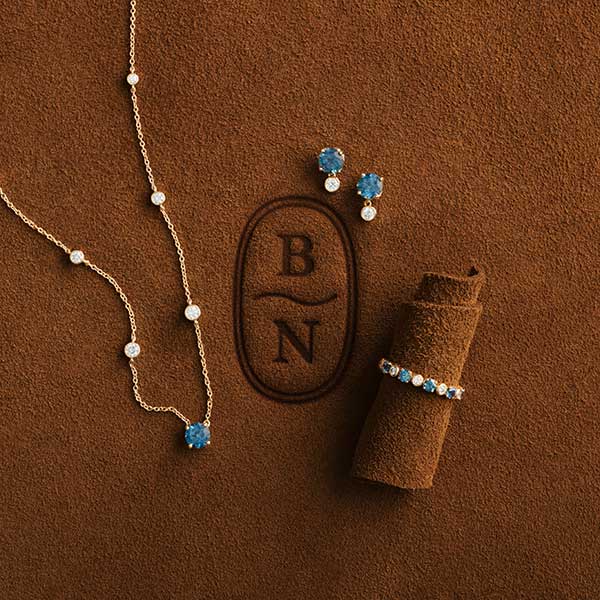
Look up designers doing the work: The Jewellery Room highlights AKIND (lab‑grown diamonds and emeralds), Carolinne B (upcycled gemstones), and MAZARIN, which “focuses on materials that reflect their environmental convictions” and “donates 10% of sales from the LUCKY ELEPHANT collection to the Big Life Foundation, supporting the preservation of 160,000 hectares of wilderness in East Africa in partnership with local communities.” The Lucky Elephant 18K Gold Necklace w. Lab‑Grown Diamonds is an explicit product example connecting sustainable material and conservation giving.
11. Red flags and how to avoid greenwashing
Vague sustainability language is the first red flag: avoid claims without named certifications or verifiable supply‑chain statements. If a brand uses terms like “eco” or “responsible” but cannot produce a Fairtrade Gold certificate, RJC membership, B‑Corp documentation, or traceability IDs, treat the claim with skepticism. Demand specifics, recycled content percentages, certification names and dates, recipient details for charitable claims, and verify those on the brand or certifier pages.
12. Practical next steps and a final, firm word
When you shop, assemble a short packet before purchase: proof of metal sourcing, any gem certificates, packaging claims, and brand sustainability statements. Remember Tick Tock Jewelers’ local example, their Feb 24, 2025 piece from Burlington, Vermont, underscores that retailers can marry style and sustainability in tangible inventories such as recycled gold and silver, and Dovediamond’s closing framing: “Consider classic designs that won't go out of style and can be passed down through generations as heirlooms.” Sustainability in diamond jewelry is as much about verifiable provenance and durable design as it is about sentiment; insist on both, and the pieces you buy, sell and value will hold meaning and market worth for years to come.
This article was produced by Prism’s automated news system from verified source data, official records, and press releases, then run through automated quality and moderation checks before publishing. The system is built and supervised by the people who set the standards it runs under. Read our full AI policy.
Did this article answer your question?