How to clean and protect diamond engagement rings
Daily wear clouds a ring before you notice, but loose prongs can cost the stone itself. A simple care routine protects brilliance, security, and long-term value.
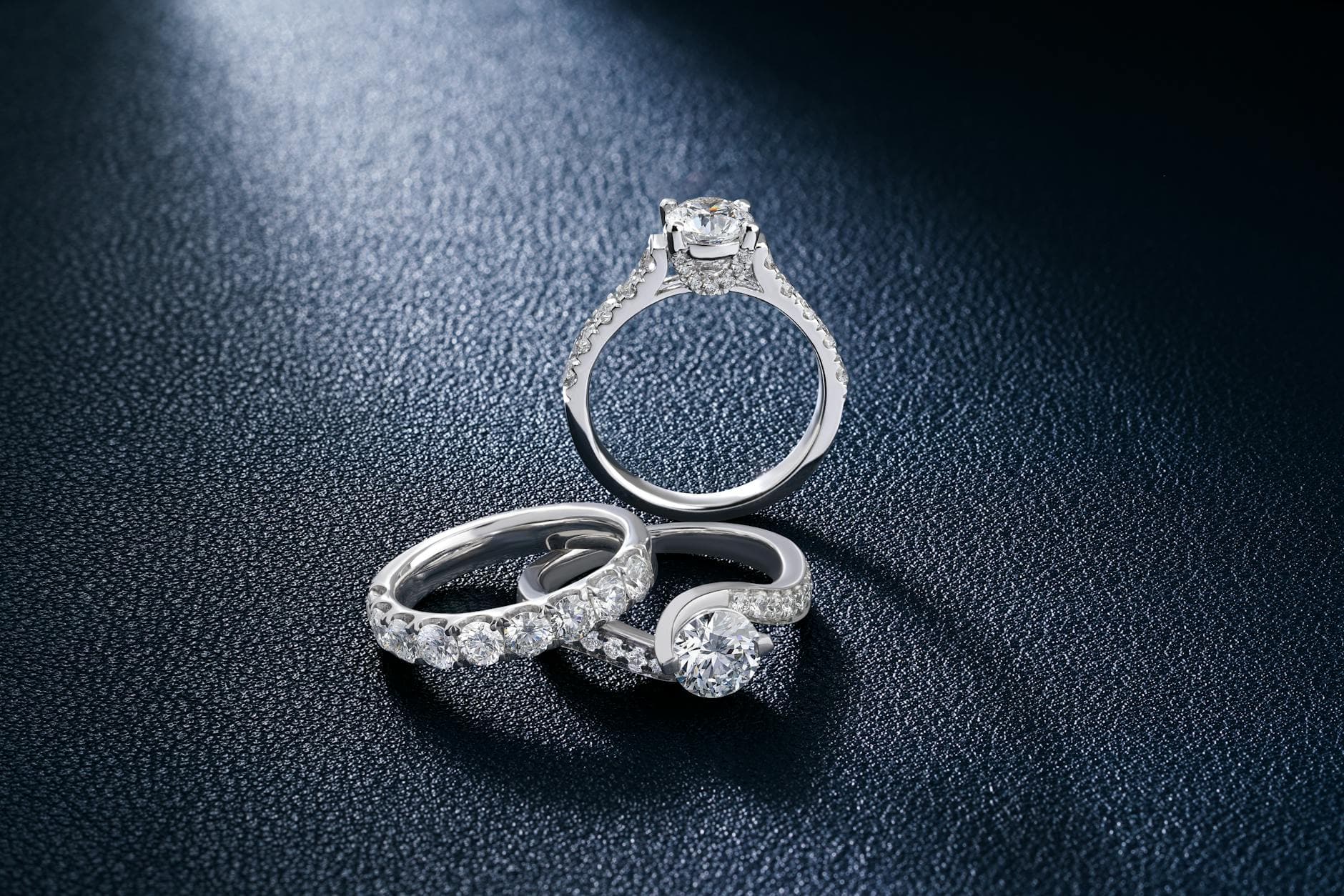
Diamond engagement rings are built for endurance, but not for neglect. A stone can stay hard and stable while still losing its sparkle to dust, pollution, lotion, soap residue, cosmetics, household chemicals, and chlorine, and the metal around it can dull just as easily. The real risk is not only cosmetic: when prongs wear down or loosen, the diamond has less protection, and a small maintenance lapse can turn into a major repair.
What daily wear does to a diamond ring
Diamonds owe their durability to a rare combination of hardness, toughness, and stability, which is why they survive the knocks of everyday life so well. That strength does not make them self-cleaning. Oily buildup and fine grime collect under the head of the ring, around the gallery, and along the shank, softening the stone’s fire and making platinum or gold look tired long before the ring is truly worn out.
This is why engagement rings need more than an occasional polish. A ring worn every day meets hand soap, kitchen grease, sunscreen, hand cream, gym chalk, and the tiny abrasions of life in a way a special-occasion jewel never does. The more often the ring is exposed to those conditions, the more important it becomes to treat cleaning and inspection as part of ownership, not as an afterthought.
The safest way to clean at home
For routine cleaning, the gentlest method is also the most reliable. Tiffany recommends mild dish soap mixed with lukewarm water, applied with a soft brush, then rinsed well and dried with a clean, soft cloth. That method lifts the grime that collects in prongs, around the culet, and beneath the center stone without putting unnecessary stress on the setting.
The key is restraint. Use a soft brush, not anything abrasive, and work over a bowl or plugged sink so the ring cannot slip away during rinsing. If the ring is especially dirty from repeated wear, a second soak and a careful brush around the underside of the head can restore more brilliance than aggressive scrubbing ever will.
A simple at-home cleaning rhythm
- Soak the ring briefly in mild dish soap and lukewarm water.
- Brush gently with a soft brush, especially around the prongs and under the stone.
- Rinse thoroughly in clean water.
- Dry with a soft, lint-free cloth before wearing again.
That routine is enough for most rings between professional cleanings. It is also the safest choice when you care about preserving both the finish and the setting.
When ultrasonic or steam cleaning makes sense
The Gemological Institute of America notes that ultrasonic cleaners and steam cleaners can remove dirt and buildup from some diamond jewelry. That matters because a brilliant stone often looks cloudy simply because grime has settled into places a cloth cannot reach. In the right setting, professional-grade cleaning can bring back the crisp contrast that makes a diamond look lively rather than flat.
Still, not every ring is a candidate for every machine. Settings with loose stones, worn prongs, or delicate construction deserve caution, especially if the ring has already started to shift on the finger. The cleaner the ring looks on the outside, the more important it is to know whether the structure underneath is still secure.
Prongs are not decoration
Prongs do more than frame a diamond. GIA says they play an important role in protecting the stone, and that is the detail many owners overlook until a snag or a knock reveals a weak point. A six-prong setting is often more secure than a four-prong setting, though four prongs show more of the diamond, so the choice is always a balance between visibility and protection.
That tradeoff becomes real in daily wear. A four-prong solitaire may present more of the stone to the light, but a six-prong head can offer extra insurance for a ring that lives on the hand every day. Either way, prongs should be checked regularly, because metal can thin, bend, or catch over time, and the first sign of trouble is often a stone that feels slightly less secure than it used to.
Storage and wear habits that prevent damage
The best storage is simple: keep the ring separate, protected, and out of the path of friction. A diamond ring tossed into a shared tray with bracelets, wedding bands, and earrings can pick up tiny scratches on the metal and increase the chance of knocks against its setting. A lined box or individual pouch is safer, especially when the ring comes off for cleaning, sleep, exercise, or household work.
Hands-on tasks are where expensive mistakes happen. Gardening, lifting weights, scrubbing counters, and handling cleaning products all expose the ring to impact, abrasion, and chemical residue. Even when the diamond itself remains unharmed, repeated contact can wear down the prongs or leave the metal looking dull and tired.
Why professional maintenance pays for itself
Tiffany recommends periodic professional maintenance so trained staff can check the setting and clean the jewelry. That is the point where a jeweler can catch a loose prong, a shifted stone, or a worn mounting before the repair becomes more complicated and more expensive. It is also the moment when a professional clean can restore the ring’s brightness more thoroughly than home care ever will.
Polishing, however, should be used sparingly. Tiffany says ring polishing should be done only a few times over the life of the ring because it removes a thin layer of material. That detail matters for anyone who wants to preserve the original proportions of the band, the crispness of the edges, and the long-term character of the piece.
De Beers treats care as part of ownership, not a luxury add-on. It offers complimentary annual service for some purchases, and resizing for first engagement rings or plain wedding bands within three months of purchase. That kind of after-sales support underscores a basic truth of diamond jewelry: fit, maintenance, and wear habits all shape how well a ring survives the years.
A practical maintenance schedule
A useful schedule is not complicated, but it is consistent. Clean the ring at home whenever buildup starts to soften its sparkle, especially after long stretches of daily wear. Check the prongs visually every few weeks for signs of uneven wear, snagging, or movement, and make professional inspection part of the yearly routine if the ring is worn every day.
The safest ownership mindset is simple: clean gently, store separately, remove the ring during rough tasks, and treat every loose prong as a repair waiting to happen. A diamond engagement ring keeps its meaning best when the care is as deliberate as the purchase.
Know something we missed? Have a correction or additional information?
Submit a Tip