India raises gold and silver tariffs, jewellers warn of price hikes
India’s new 15% gold and silver import levy is set to push up the cost of settings and finished jewelry, while traders warn it could send demand back underground.
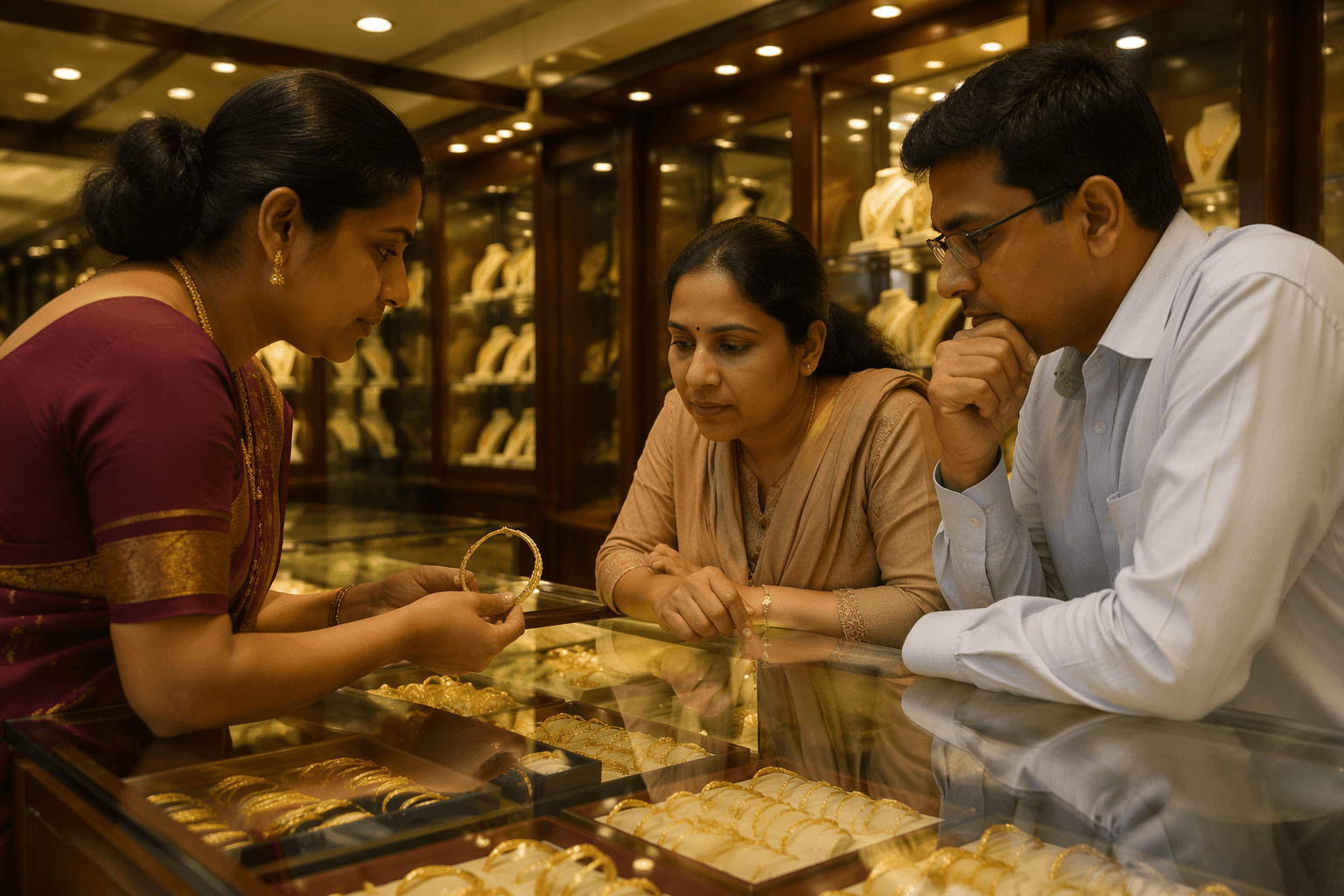
India’s higher gold and silver tariffs landed where diamond jewelry feels them first: in the metal. By lifting the effective import tax to 15% from 6% on May 13, the government raised the cost base for the gold in a bezel, the silver in a necklace, and the finished piece that ultimately reaches the showcase, while the industry warned that some of that demand could simply slip into unofficial channels.
New Delhi paired a 10% basic customs duty with a 5% agriculture infrastructure and development cess, effectively reversing the July 2024 cut that had lowered duties to 6% from 15%. The broader tax burden climbed even further, with the effective tax paid on imported gold and silver rising to 18.4% from 9.2%. The policy was aimed at curbing imports, easing pressure on foreign-exchange reserves and supporting the rupee at a moment when the trade deficit, the external account and volatility tied to the Middle East conflict were weighing on the currency.
Jewellers immediately focused on the consequences rather than the intent. Surendra Mehta, national secretary of the India Bullion and Jewellers Association, said the move could hurt demand because prices were already elevated, and warned that higher import taxes could revive smuggling after the 2024 cut had helped cool it. That risk matters because tariff walls do not just change ledger lines in the bullion market. They can alter how much metal is declared, how much is carried through legitimate channels, and how aggressively manufacturers pass higher costs into retail prices for rings, bangles and diamond-set pieces.
The World Gold Council called the duty increase the steepest on record and projected that India’s 2026 demand for jewellery and bar-and-coin gold could fall by 50 to 60 tonnes, or about 10% year on year. India is the world’s second-largest gold consumer, so even a modest retreat in buying can ripple far beyond one market. A softer demand picture may narrow the trade deficit, but it also threatens to squeeze margins for jewellers already balancing elevated metal costs against customers who are more price-sensitive than policy makers may hope.
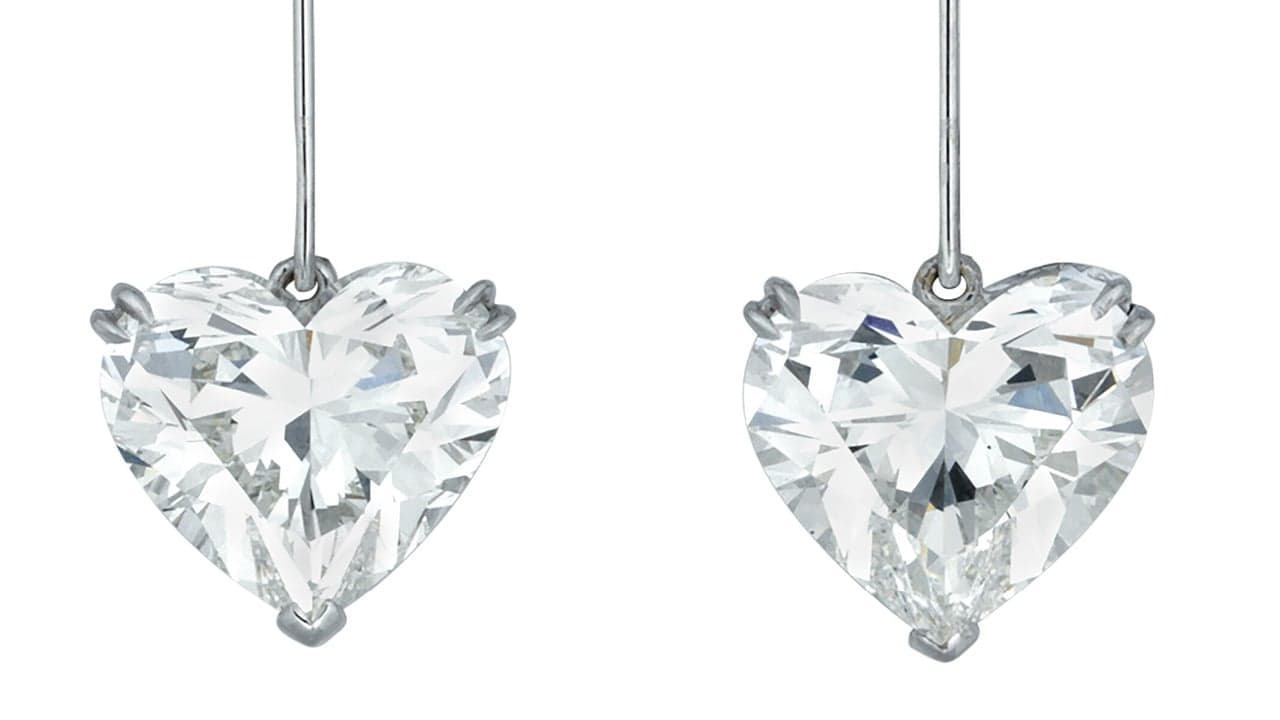
For diamond jewelry in particular, the tariff change sharpened an old dilemma: whether to absorb the shock in thinner settings and leaner manufacturing margins, or pass it through in higher ticket prices that can make even classic gold mountings feel noticeably less attainable. That is the unintended consequence now hanging over the trade in New Delhi and Mumbai, where a policy meant to steady the currency may end up distorting legitimate trade and making unofficial routes more attractive.
Know something we missed? Have a correction or additional information?
Submit a Tip