JCK and Luxury spotlight craftsmanship as gold prices squeeze demand
Gold prices near $5,000 an ounce are forcing JCK and Luxury exhibitors to trade heavier settings for smarter craftsmanship, and Las Vegas is where the shift shows up first.
The market squeeze is changing what luxury looks like
Gold is still setting the tone for jewelry buying, but not in the old, weight-obsessed way. The World Gold Council’s Q1 2026 numbers show global gold-jewelry demand fell to 300 tonnes, its lowest level since Q2 2020, even as the value of that demand climbed to a record US$47 billion for a first quarter. That split tells the real story: consumers are buying less metal by volume, but they are still spending, which pushes designers toward pieces that feel luxurious without relying on heavy gold content.
That pressure is especially visible as gold has hovered around $5,000 an ounce for more than a year. In that environment, the winning jewelry is not simply bigger or denser. It is smarter, with the visual authority of fine craftsmanship doing more work than sheer metal weight. For diamond jewelry, that shift favors clean architecture, stronger silhouette, and settings that make the stones carry the drama.
Why Las Vegas matters now
JCK and Luxury are the first major proving grounds for that recalibration. Luxury 2026 runs May 27-June 1, 2026 at The Venetian Expo in Las Vegas, with invitation-only days on May 27 and 28. JCK follows immediately, with the show floor opening on May 29 and the event running through June 1 at the same venue. Registration opened on January 13, 2026, and JCK has positioned itself as the jewelry industry’s most important global trade event.
This year’s layout matters as much as the dates. JCK is adding a new Lifestyle Pavilion and a watch showcase, broadening the conversation beyond core diamond and bridal categories. That expansion signals a fair that is reading the market in real time: luxury is no longer only about formal high jewelry, but also about pieces that can move between daily wear, gifting, and occasion dressing without looking stripped down.
The show mix also makes practical sense for retailers. Luxury’s invitation-only days create a controlled environment for high-end buying, while JCK’s broader floor, including GEMS featuring AGTA and the Hong Kong Pavilions, gives the market a wider temperature read. If a category is adapting to high gold prices, Las Vegas is where the proof tends to show up first.
Craftsmanship is becoming the new price defense
Sarin Bachmann, senior vice-president at RX Global, put the industry’s response plainly: designers and brands are meeting high gold prices and current conditions by creating jewels of beauty, refined craftsmanship and meaning across a range of price points. That is the language of a market that knows consumers are scrutinizing value more closely, but still want the emotional charge of fine jewelry.
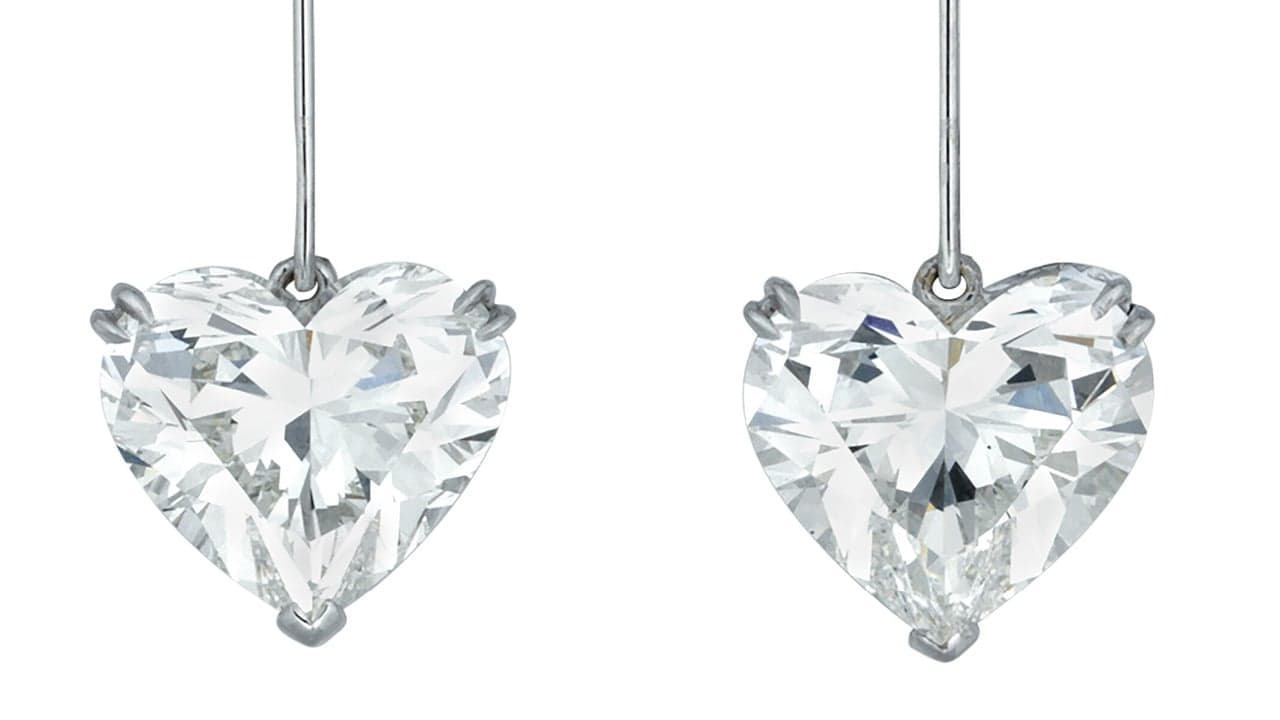
For diamond jewelry, this points to a more disciplined form of luxury. Expect pieces where the stone layout, not the metal mass, creates impact. A well-executed setting can make a smaller footprint look substantial if the proportions are right, the finishing is sharp, and the diamond placement catches light from multiple angles. The result is a piece that still reads as special, even when the gold content is lower.
- Slimmer gold structures that preserve silhouette without wasting metal
- Diamond-forward compositions that shift visual weight from shank to surface
- Mixed-category price ladders, so one design can exist in both entry luxury and higher-end versions
- Pieces that feel personal and wearable, not merely expensive
The smartest designs in this climate are likely to lean on:
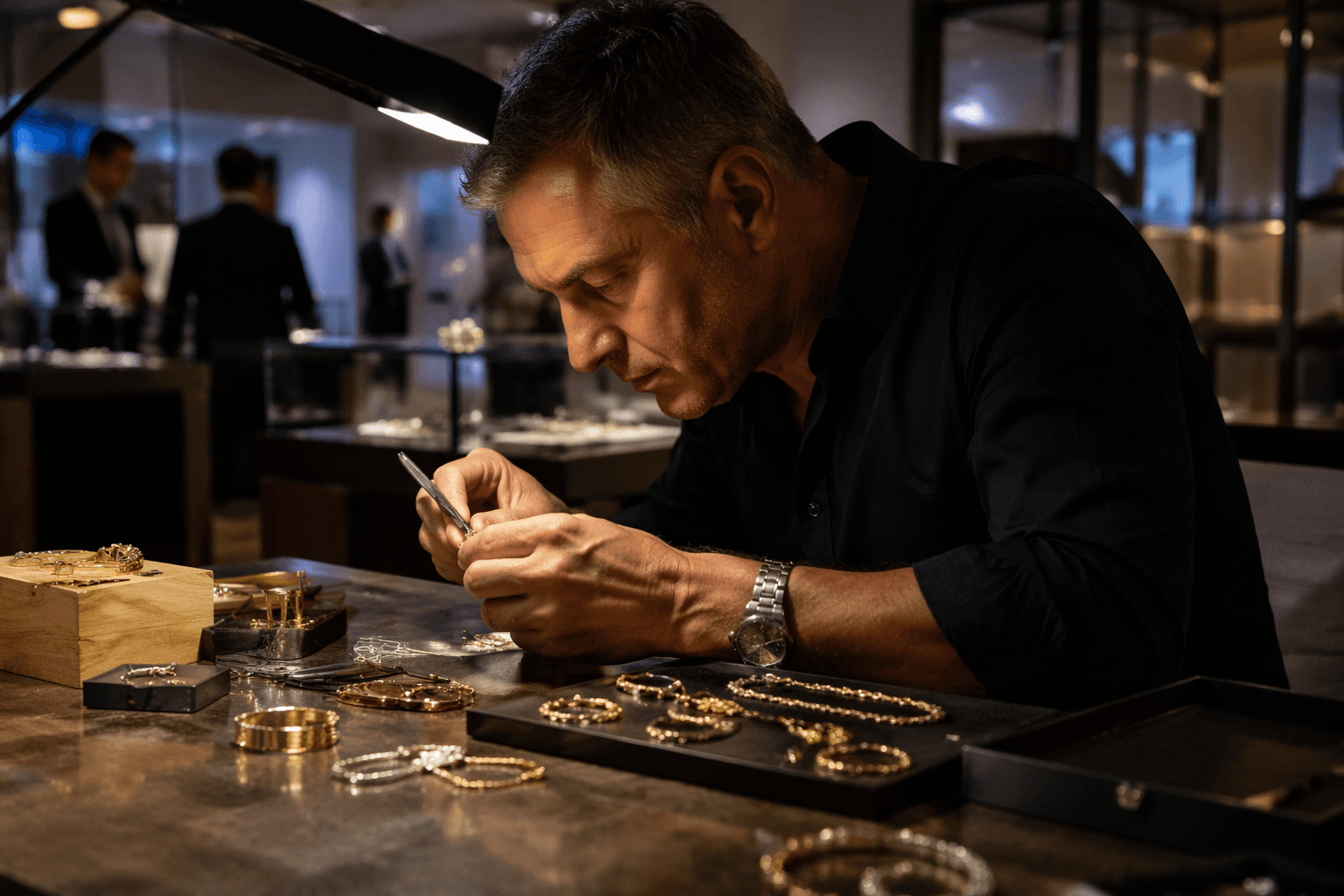
That last point matters. When buyers are trading down in metal weight but not necessarily in aspiration, the jewelry has to justify itself through finish, proportion, and story. A polished setting, a thoughtful clasp, or a balanced line of pavé can make a piece feel far more elevated than its gram weight would suggest.
What retailers should watch on the floor
The question at JCK and Luxury is not whether the market is under pressure. It is how effectively brands are answering it. The strongest assortments will likely be the ones that keep diamond jewelry visually rich while reducing reliance on heavy gold engineering. That does not mean the market is abandoning precious metal. It means gold is being edited into a supporting role, while diamonds and design do the selling.
Retailers should look closely at the balance between materials and perception. A piece can be technically lighter, yet still read as more luxurious if the construction is crisp and the finish is immaculate. Conversely, a design that simply removes gold without improving the look or wearability will expose its compromises immediately. In this environment, transparency on materials and clear explanation of value are more important than ever, because customers are shopping with sharper eyes.
The breadth of the Las Vegas fair also hints at where buying behavior may go next. The addition of a Lifestyle Pavilion and a watch showcase suggests that jewelry is being merchandised less as a single-category purchase and more as part of a broader luxury wardrobe. That favors versatile diamond pieces, refined gold accents, and demi-fine designs that can sit beside higher-ticket goods without feeling secondary.
The takeaway from JCK and Luxury
Las Vegas is not just showing what jewelry looks like now. It is showing how the industry is adapting to a pricier metal market without losing the emotional pull that makes fine jewelry worth buying in the first place. With gold demand by volume under pressure and value still elevated, the brands that win will be the ones that translate craftsmanship into visible luxury at more reachable price points.
That is the real read on this year’s JCK and Luxury: the future of diamond jewelry is not louder gold, but sharper design.
Know something we missed? Have a correction or additional information?
Submit a Tip