JCK Talks to probe diamond demand, AI and retail trends
JCK Talks is turning Las Vegas into a stress test for diamond retail, where AI, lab-grown demand and provenance messaging all collide.
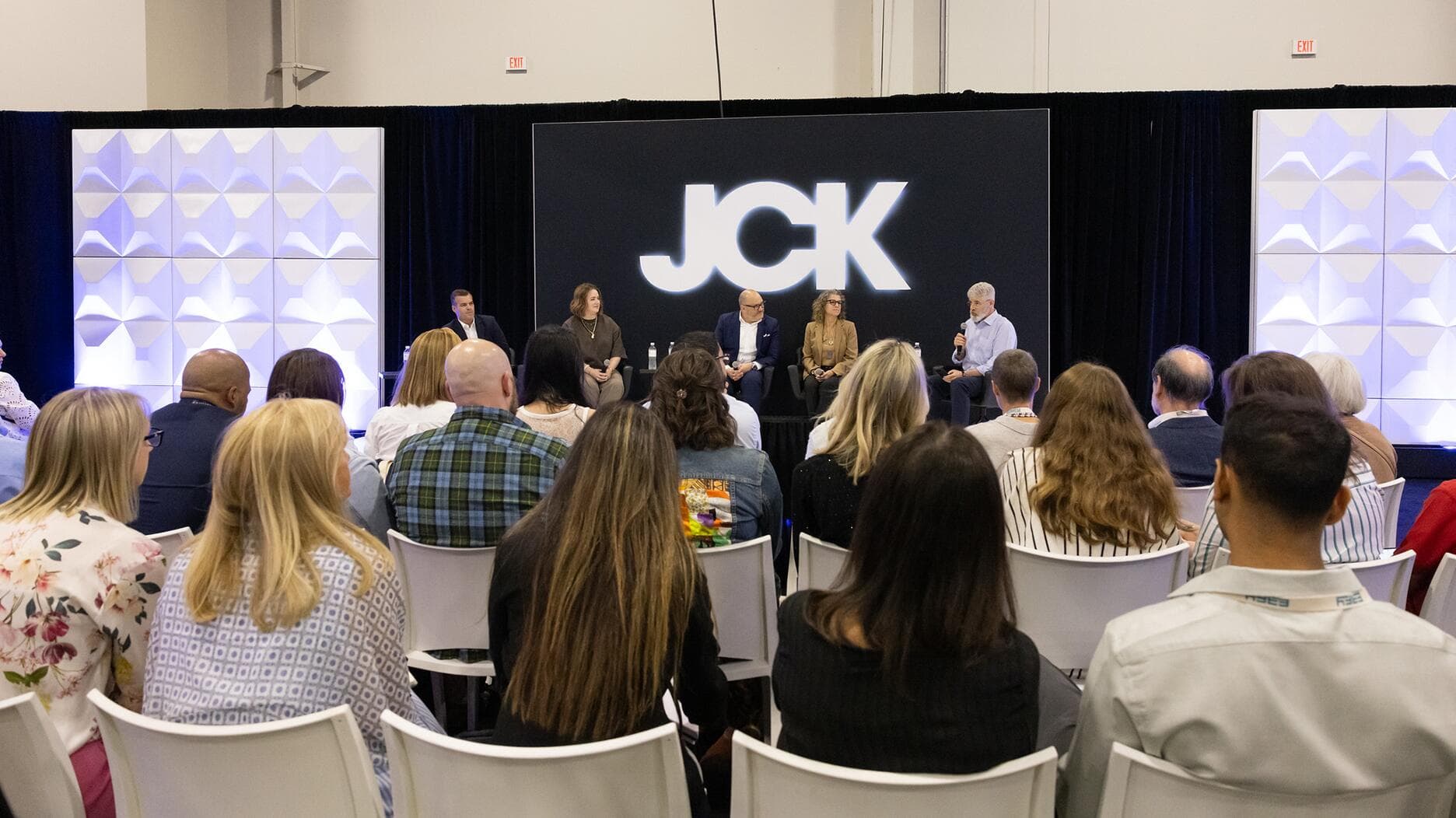
Why JCK Talks is the pressure test
The money question hanging over JCK Talks is not whether diamond jewelry can stay beautiful, but which arguments still move inventory. JCK Las Vegas 2026 runs Friday, May 29, through Monday, June 1, at The Venetian Expo in Las Vegas, with select areas, including JCK Talks, opening Thursday, May 28. JCK says the education program includes 30-plus expert-led sessions organized into tracks, while the roundup spotlights 12 that matter most to the trade’s next buying decisions.
AI sits inside the retail workflow
AI is one of the clearest signals that the industry is shifting from mood to measurement. In a year shaped by tariffs, price volatility and consumer uncertainty, retailers want tools that help them decide what to stock, how to merchandise it and where to spend time on training. The most useful AI conversations in Las Vegas will not be about spectacle. They will be about faster decisions at the counter, cleaner data behind assortment planning and fewer costly guesses about demand.
Consumer demand is the first filter
One of the featured sessions will look at what consumers think about natural diamonds and how retailers and industry leaders are responding. That issue matters because the category is no longer selling on romance alone. Buyers are weighing origin, value and meaning with more skepticism, and the trade has to answer with more than polished language.
The natural-versus-lab-grown split keeps widening
The numbers around engagement rings make the tension impossible to ignore. The Knot Real Weddings Study 2026 found lab-grown center stones accounted for 61% of engagement-ring purchases in 2025, up 239% since 2020, and 40% of couples said it was important that the center stone be lab grown. That is not a fringe preference anymore. It is the commercial baseline every bridal case now has to confront.
Gen Z is rewriting the engagement-ring brief
National Jeweler’s broader coverage points to the same shift, with the industry reassessing its position as Gen Z reshapes retail and lab-grown diamonds continue to gain share. De Beers’ 2022 Diamond Insight Report found that 39% of Gen Z consumers seek information on a brand’s ethical credentials when buying diamond jewelry, compared with 36% of women overall. That means the next generation is not just asking what a diamond looks like. It is asking what it stands for.
Ethical credentials are now part of the sales conversation
The same De Beers study found that 40% of women overall said knowing about the positive impact of diamonds on local mining communities would make them more likely to buy diamonds, rising to 50% among Gen Z. Those are not soft marketing points. They are sales drivers, and they punish vague sustainability claims that do not name a mine, a community or a practice.
Community impact has moved from slogan to metric
Natural-diamond advocates are leaning into that demand for specificity. Amber Pepper, chief executive of the Natural Diamond Council, said the organization has been scaling consumer-facing programs such as the Diamond Learning Center and its Premier Retailer program. That kind of education only works if it answers the exact questions shoppers now ask: where did this stone come from, who benefits from it and why should that chain of value matter.
The JCK Industry Fund is funding the narrative
The JCK Industry Fund has awarded more than $330,000 in grants to nine organizations in 2026, which says as much about strategy as philanthropy. Corporate responsibility is no longer a side conversation at a jewelry show. It is part of how the trade tries to protect relevance when customers are scrutinizing ethics as closely as carat weight.
Diamonds Do Good is betting on storytelling
Among the grant recipients, Diamonds Do Good said it will use its funding to amplify consumer engagement and promote the positive impact of natural diamonds through broadcast and digital campaigns, retailer collaborations and storytelling initiatives. That is a practical move, not a decorative one. If the natural-diamond case is going to compete with lab-grown price points and simplified messaging, it needs stories that can survive both a social feed and a sales floor conversation.
Tariffs and price swings still shadow the market
All of this is unfolding against a diamond market still navigating tariffs and price volatility. Recent reporting ahead of JCK said U.S. consumer demand remained steady, but steadiness is not the same as confidence. When costs wobble, retailers protect margin, buyers watch inventory more closely and every claim about value has to earn its place.
Retail strategy will hinge on data, not slogans
Show-floor messaging this year is emphasizing both natural and lab-grown diamond data alongside retail decision-making, which tells you where the anxiety sits. The most useful conversations will be the ones that help store owners decide which categories deserve more space, which need sharper education and where the customer actually sees a difference. The old luxury shorthand is not enough when shoppers are comparing stones, stories and prices side by side.
What Vegas could change after the booths close
By the time JCK Talks wraps, the industry should have a clearer read on where the money and risk are concentrating: AI-assisted decisions, consumer demand, corporate responsibility and the hard math of diamond-market positioning. The sessions most likely to shape buying and selling after Las Vegas are the ones that connect those pressures, because the next retail season will reward jewelers who can explain value with evidence, not just sentiment.
This article was produced by Prism’s automated news system from verified source data, official records, and press releases, then run through automated quality and moderation checks before publishing. The system is built and supervised by the people who set the standards it runs under. Read our full AI policy.
Did this article answer your question?