Lab-Grown Diamond Prices Keep Falling, Disrupting Jewelry Market Balance
Lab-grown diamond prices are falling sharply, and the ripple effects are reshaping the entire fine jewelry market in ways buyers and sellers didn't anticipate.
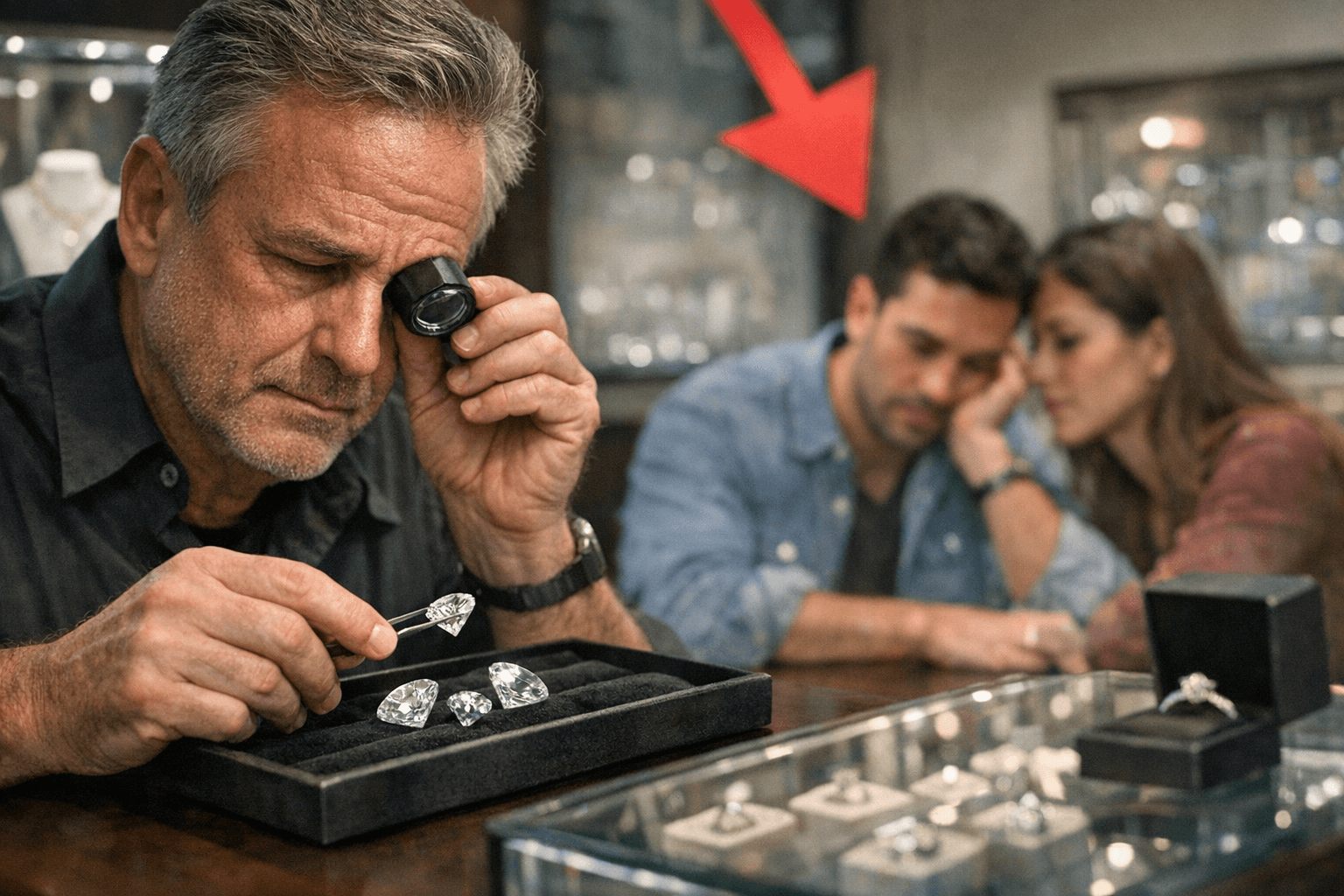
Walk into almost any fine jewelry counter today and the sticker price on a lab-grown diamond solitaire is almost certainly lower than it was six months ago. That slide is no longer gradual. According to AIDI's latest market analysis, the cost of lab-grown diamonds has entered a phase of accelerated price erosion, intensifying competitive pressure across the industry in ways that are beginning to destabilize what had been a carefully managed market equilibrium.
The implications reach beyond wholesale pricing charts. For years, lab-grown diamonds occupied a distinct and defensible position: chemically and optically identical to their mined counterparts, but priced accessibly enough to attract a generation of buyers unwilling to spend on something whose value proposition felt murky. That positioning worked precisely because prices held at a level that still signaled luxury. The current freefall is complicating that narrative.
The pressure falls hardest on mid-tier retailers who staked inventory and marketing strategies on lab-grown diamonds as a premium alternative rather than a commodity. When the price gap between a 1.5-carat lab-grown round brilliant and its mined equivalent narrows in the wrong direction, not because mined prices rose but because lab-grown prices dropped further, the value story requires rewriting.
Producers are feeling it too. The rapid scaling of chemical vapor deposition and high-pressure high-temperature growing facilities, particularly out of India and China, has flooded supply channels faster than consumer demand has grown. What was once a technology premium has become a manufacturing efficiency race, and the finish line keeps moving.
For buyers, the falling prices present a genuine opportunity to acquire stones of significant carat weight and quality at a fraction of what comparable mined diamonds command. A buyer who wanted a 2-carat, VS1-clarity, F-color lab-grown stone two years ago paid considerably more than someone buying that same specification today. The gemological quality has not changed; only the market's willingness to price it as scarce has.
The harder question is what this means for resale. Mined diamonds have historically retained some portion of their value, however imperfectly. Lab-grown diamonds, as their price floor keeps dropping, are increasingly difficult to resell at any meaningful return. Buyers who understand this going in are making a clear-eyed choice: they are buying the stone for the experience of wearing it, not as a store of value. That is a legitimate decision, but it deserves transparency at the point of sale, not assumptions.
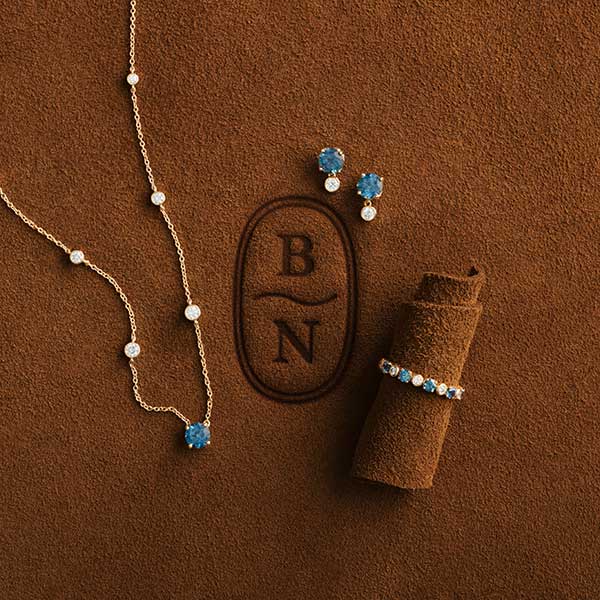
That shift in buyer psychology is worth watching. As the per-carat price of lab-grown stones trends toward commodity territory, a growing segment of consumers is redirecting attention toward jewelry where the meaning is built into the design itself rather than derived from the stone's scarcity. Jewelers like Theo Grace, whose hand-engraved name necklaces in 14k gold and birthstone pendants set alongside accent diamonds center the personal narrative over carat weight, represent the kind of pivot that may prove more durable than competing on price alone.
AIDI's analysis suggests the erosion is not a temporary correction but a structural shift. If that holds, the fine jewelry industry faces a reckoning about how it positions, prices, and tells the story of lab-grown diamonds in an era when the technology that creates them only keeps getting cheaper.
This article was produced by Prism’s automated news system from verified source data, official records, and press releases, then run through automated quality and moderation checks before publishing. The system is built and supervised by the people who set the standards it runs under. Read our full AI policy.
Did this article answer your question?