Lab-Grown Diamonds Gain Ground in Asia on Price and Sustainability Appeal
Lab-grown diamonds are winning over Asian buyers on price and green credentials, but the sustainability case hinges on how and where they're made.
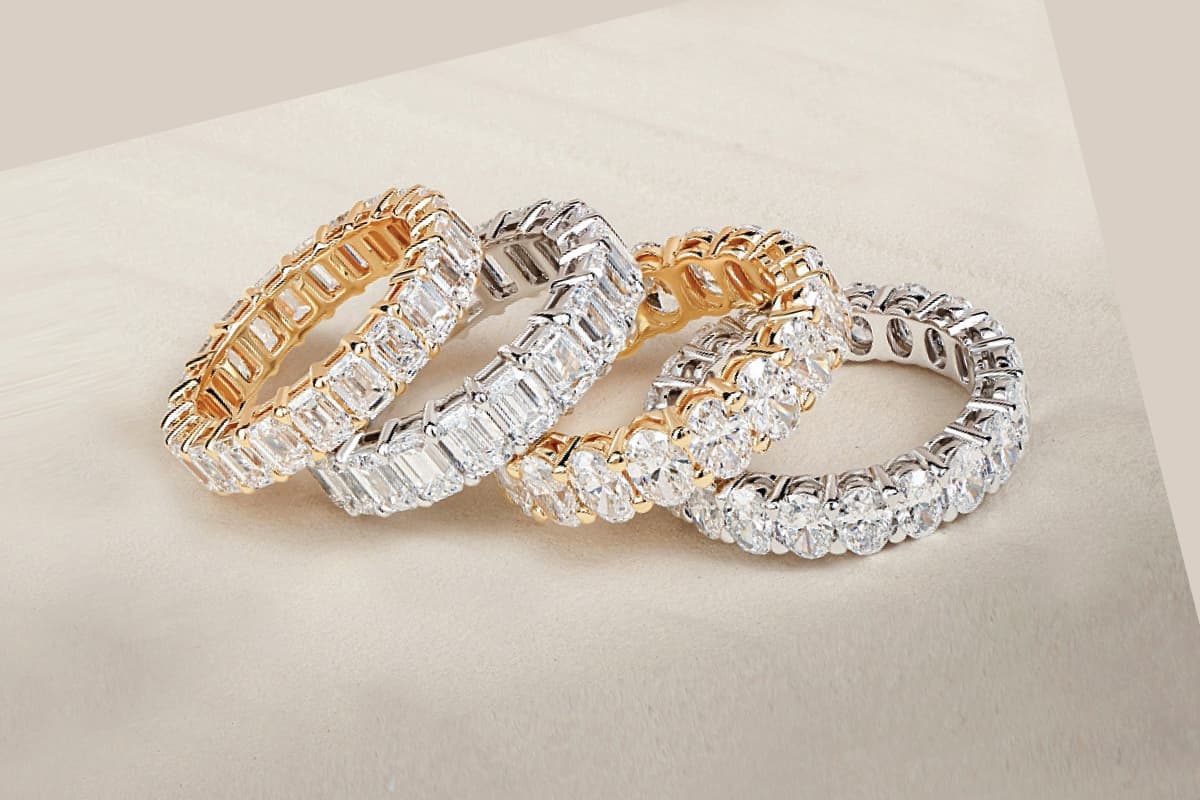
Across Asian retail floors, laboratory-grown diamonds have been quietly reshaping what buyers expect from fine jewelry, both in terms of price and the story a stone can tell. Retailers surveyed in mid-March 2026 confirmed that lab-grown diamonds now account for a meaningful and growing share of their sales, a shift driven by consumers who want the visual and chemical properties of a diamond without the premium attached to a mined stone.
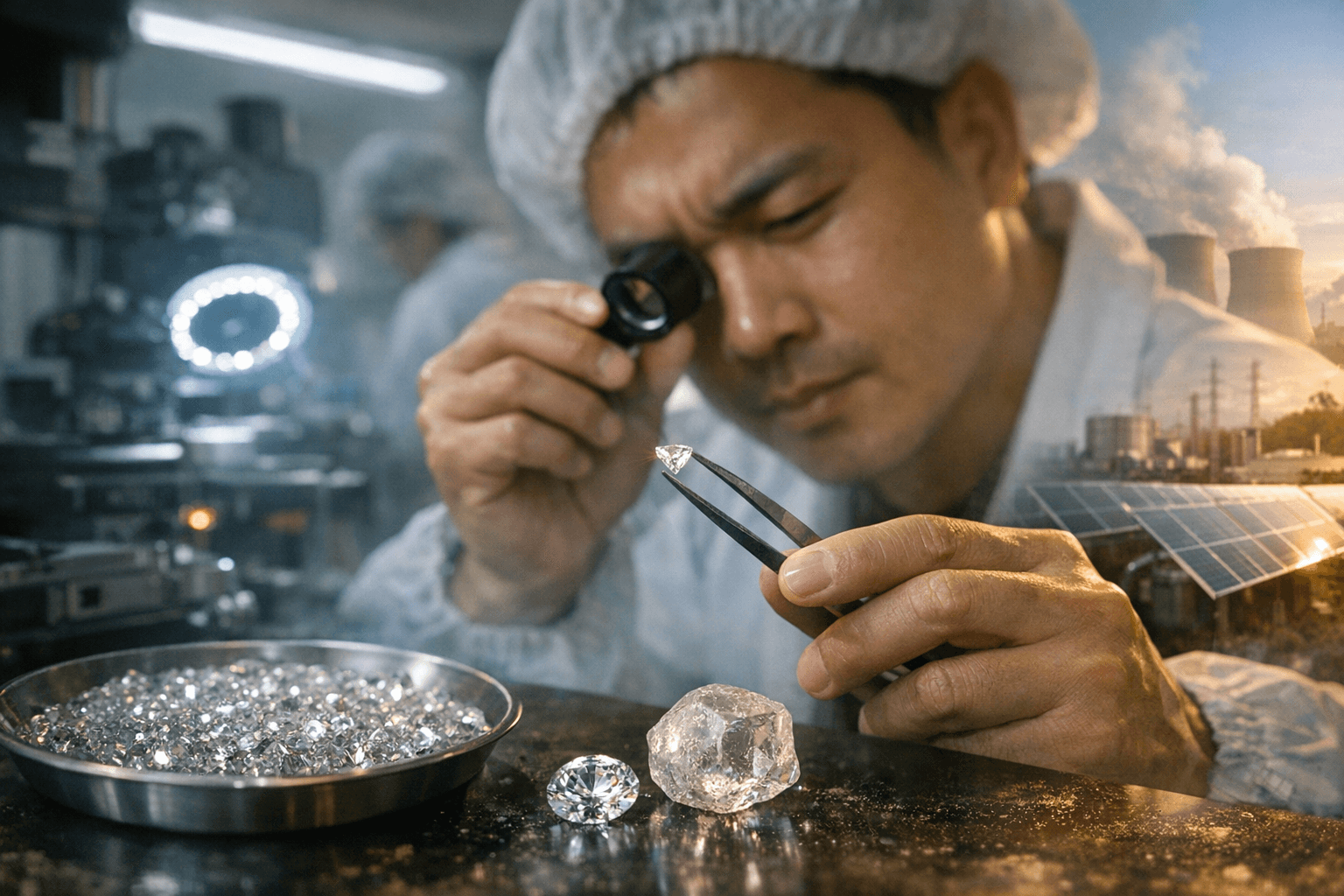
The appeal is straightforward on the price side. Laboratory-grown diamonds, produced either through chemical vapor deposition (CVD) or high-pressure, high-temperature (HPHT) synthesis, have fallen sharply in retail cost relative to their mined equivalents. For buyers in markets where diamond jewelry has historically been aspirational rather than accessible, that price gap is a genuine entry point.
The sustainability narrative is more complicated, and any retailer leaning heavily on green credentials deserves scrutiny. The environmental footprint of a lab-grown diamond depends almost entirely on two variables: the synthesis method used and the energy source powering it. A CVD-grown diamond produced in a facility running on coal-fired electricity carries a substantially different carbon profile than one grown using renewable energy. Neither the CVD nor HPHT process is inherently clean; the distinction lies in the kilowatt-hours behind it.
Asian markets are not monolithic on this point. Countries across the region vary widely in their energy grids, which means a lab-grown diamond produced domestically in one market may carry a very different environmental cost than one imported from a facility in a country with a cleaner grid. Consumers asking sustainability questions deserve answers that go beyond the phrase "conflict-free," which, while meaningful, addresses social provenance rather than carbon impact.
The growth of lab-grown diamonds in Asia also intersects with a broader generational shift. Younger buyers in urban centers across the region have shown more willingness to reconsider the cultural weight placed on mined stones, particularly as the price differential makes larger carat weights attainable at lower budgets. A one-carat lab-grown diamond set in a well-crafted pavé band now sits within reach of buyers who might previously have considered a smaller mined stone or a diamond simulant.
For the lab-grown segment to hold its ground on sustainability claims rather than price alone, producers and retailers operating in Asia will need to be specific: which synthesis method, which facility, which energy source. Vague assurances about being "eco-friendly" or "sustainable" are a red flag in a category where the underlying science makes precise answers possible.
This article was produced by Prism’s automated news system from verified source data, official records, and press releases, then run through automated quality and moderation checks before publishing. The system is built and supervised by the people who set the standards it runs under. Read our full AI policy.
Did this article answer your question?