Lab-Grown Diamonds Shift From Niche Novelty to Luxury Standard
Lab-grown diamonds no longer need defending: they're appearing across bridal, red carpet, and luxury fashion without the "alternative" label that once followed them.
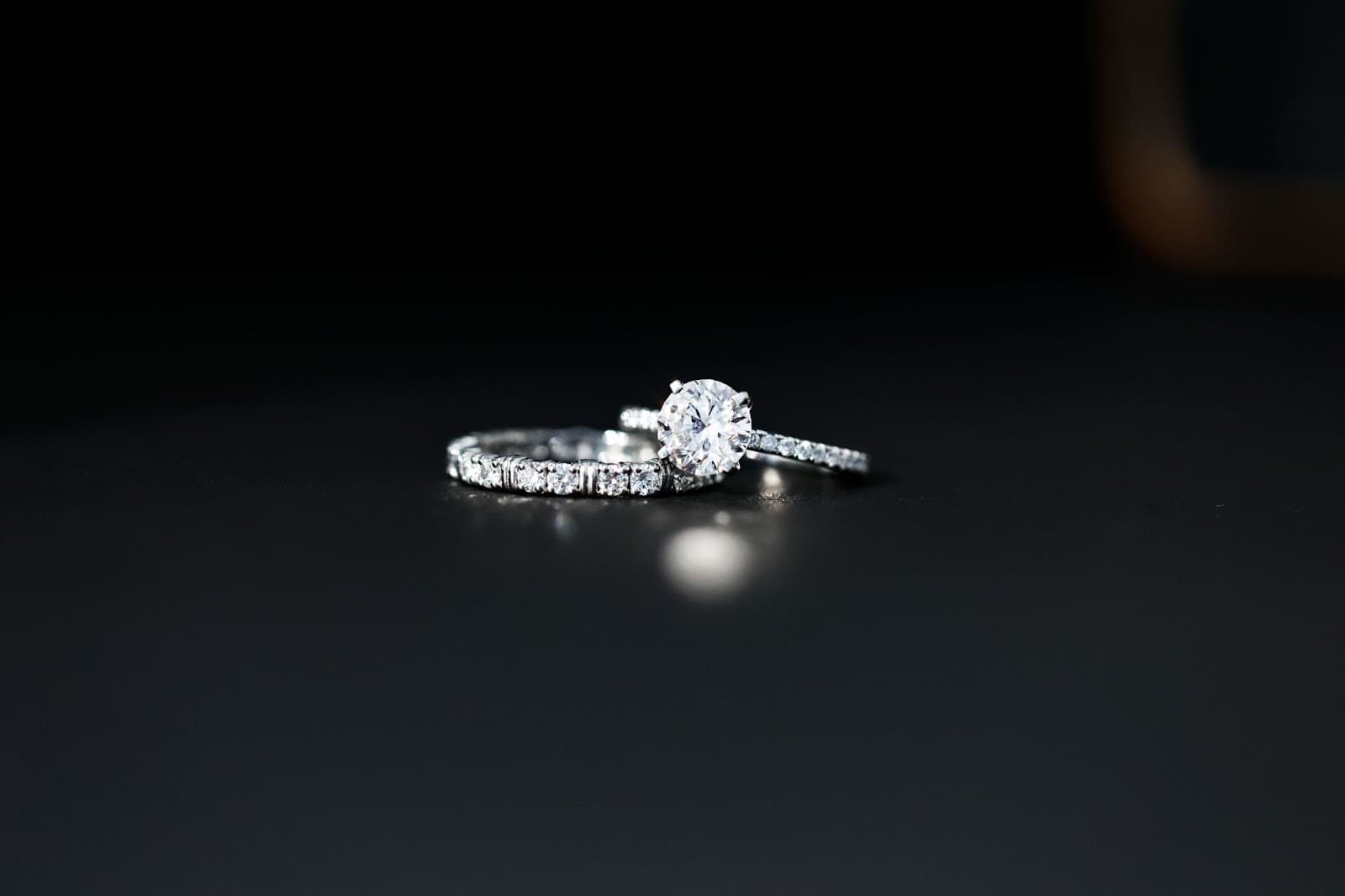
A few years ago, proposing with a lab-grown diamond meant bracing for questions. Today, in certain circles, it's the expected choice. That quiet inversion sits at the center of a larger shift playing out across luxury fashion and bridal markets, where lab-grown stones have stopped being categorized as alternatives and started simply being diamonds.
"Not hidden within an arrangement in another section. Not labeled as 'alternative.' Just… there." That observation captures something real about where lab-grown diamonds now sit in fashion pagination, bridal coverage, and red carpet recaps. The debate over whether they are "real" has largely been retired. The conversation has moved on.
What's driving the shift is partly economic. Lab-grown diamonds have experienced rapid price declines, making them accessible to buyers who might have previously compromised on size or quality when shopping for mined stones. But price alone doesn't explain the cultural momentum. The more durable force is generational. Millennials and Gen Z, who represent an increasing share of luxury spending, shop by different criteria. They don't accept that rarity automatically signals value, and they want to understand precisely what they're paying for. Lab-grown diamonds offer that transparency in a way that a stone with a long and opaque supply chain cannot always match.
Sustainability is part of that transparency demand, though the picture is more complicated than it first appears. Traditional diamond mining requires significant land disruption and energy, and while industry regulation has improved substantially over recent decades, the sector remains an enormous global operation. A lab-grown diamond, by contrast, is produced in a controlled, engineered environment. For buyers trying to make more thoughtful purchasing decisions, that process carries genuine appeal, though it's worth noting that no comprehensive lifecycle comparison has been independently settled: the energy sources powering lab-growing facilities vary widely, and not all producers publish verifiable environmental data. Claims about sustainability deserve the same scrutiny any jewelry buyer would apply to a Kimberley Process certificate or a Fairtrade Gold hallmark.

The industry consensus is that mined diamonds are not disappearing. The story of a stone formed over billions of years under geological pressure retains real romantic power, and there will always be buyers for whom that provenance is the point. What has changed is that lab-grown diamonds no longer require that story to justify their presence. When something stops needing explanation, it has crossed from trend into standard.
The distinction matters. Trends generate noise and fade. Standards settle into the background and become the baseline assumption. The signs that lab-grown diamonds are following the second path, appearing across luxury contexts without asterisks, preferred rather than merely tolerated by younger buyers, and reshaping how designers and luxury houses approach stone sourcing, suggest this is not a cycle that will reverse when the next season arrives.
This article was produced by Prism’s automated news system from verified source data, official records, and press releases, then run through automated quality and moderation checks before publishing. The system is built and supervised by the people who set the standards it runs under. Read our full AI policy.
Did this article answer your question?