Lab-grown diamonds squeeze natural stone sales as prices weaken
Lab-grown diamonds made 45% of U.S. engagement-ring purchases in 2025, forcing natural stones to justify a premium with rarity, origin and design.
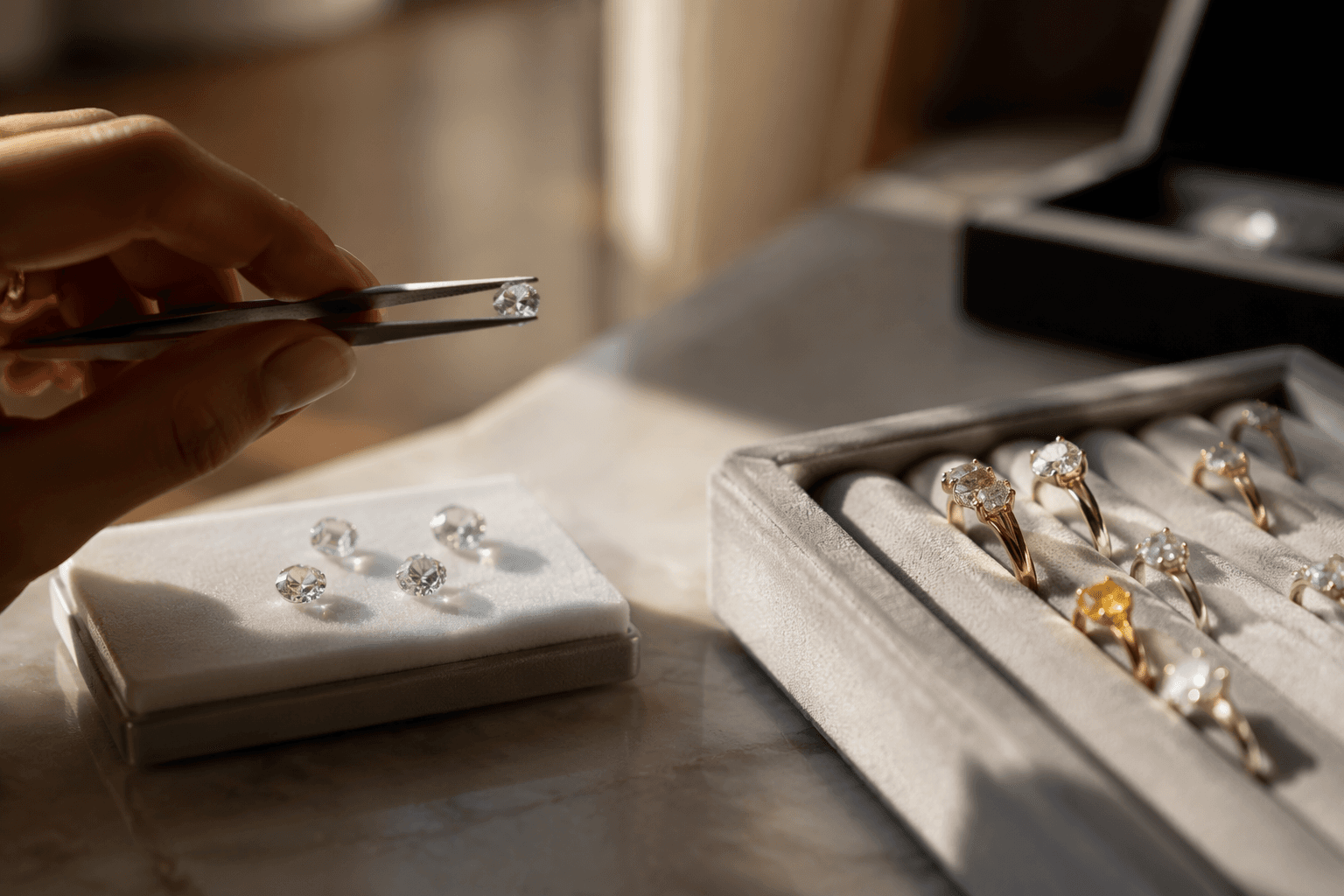
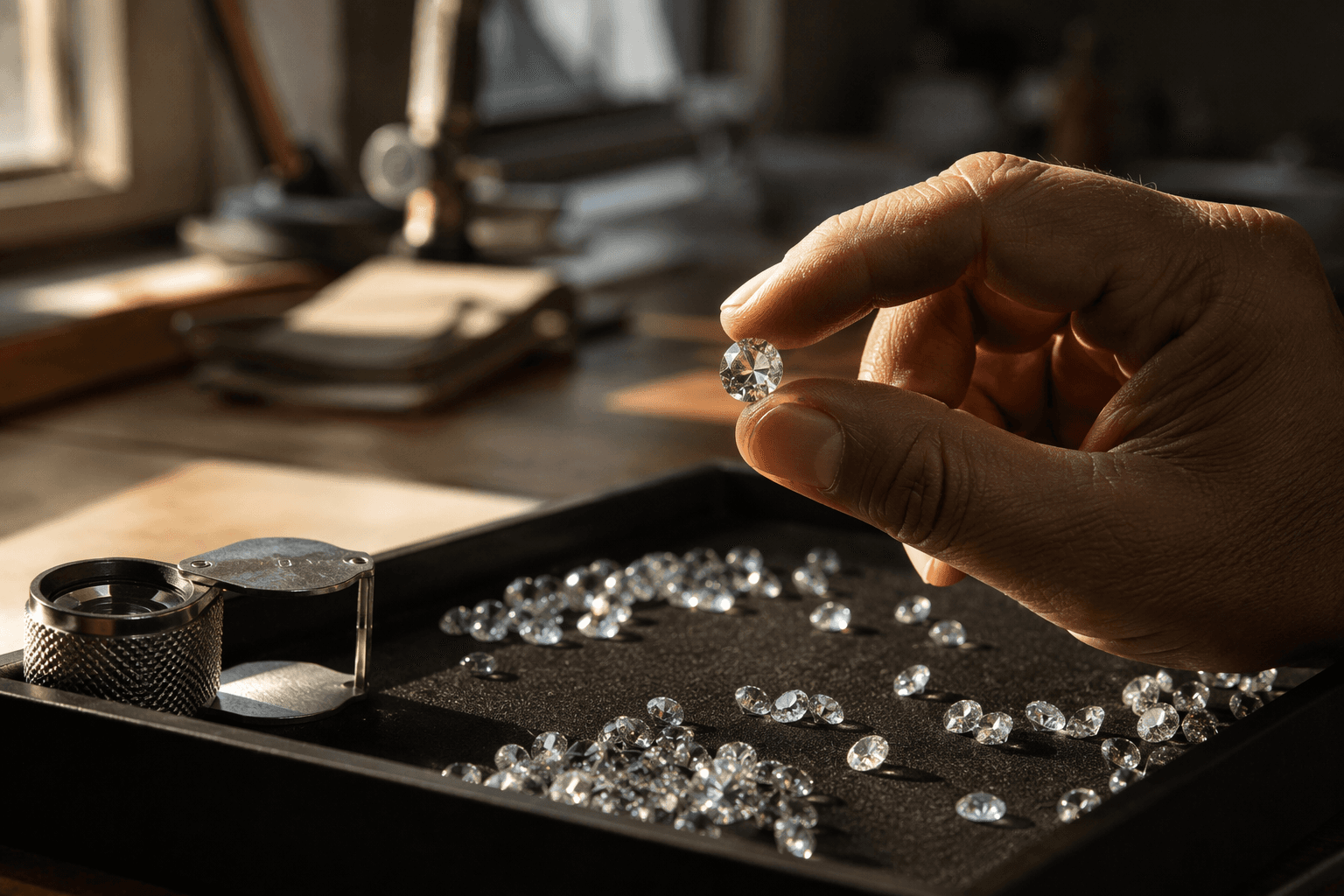
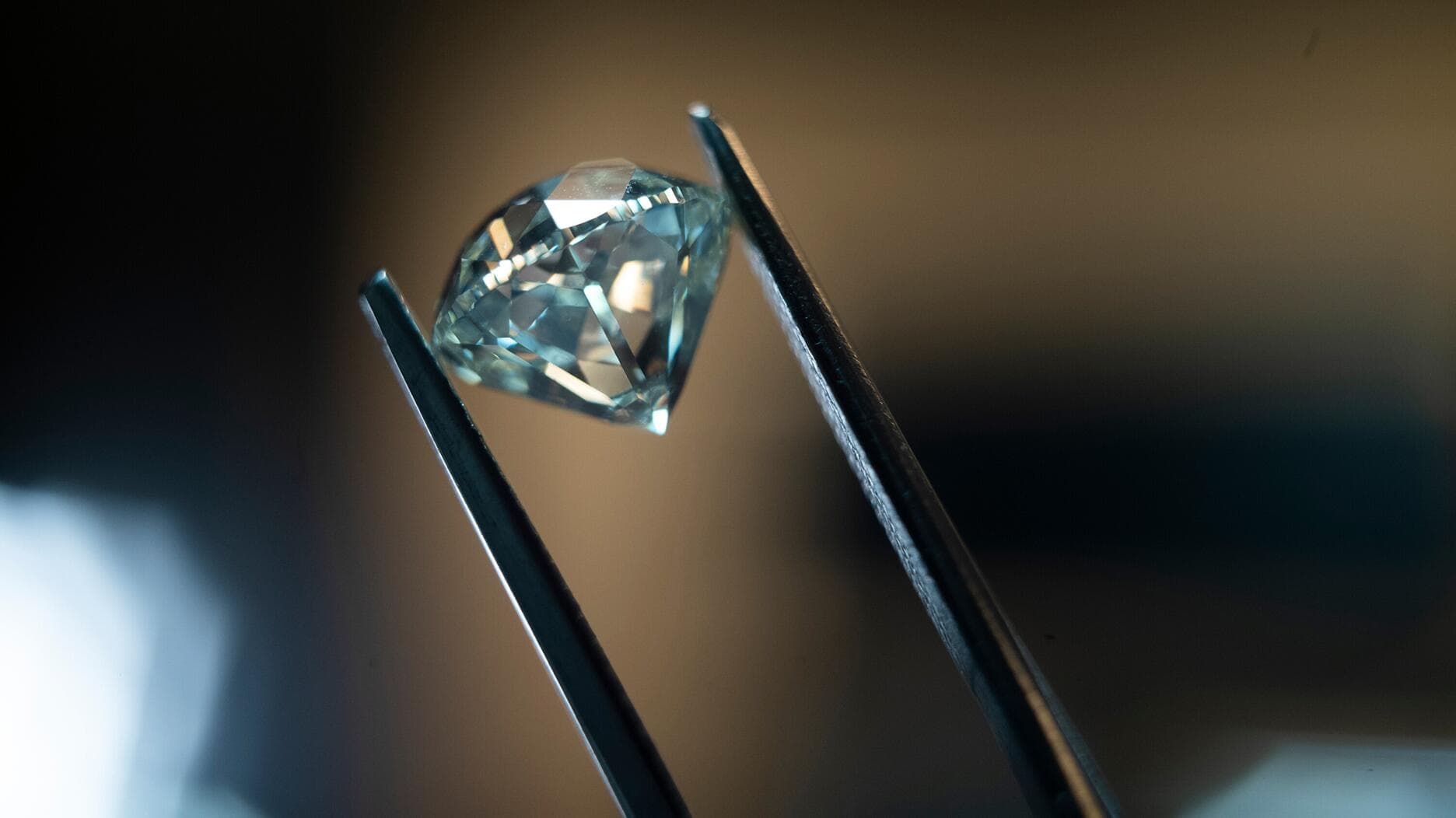
Lab-grown diamonds made up 45% of all U.S. engagement-ring purchases in 2025, a share that has turned the natural-stone market into a harder sell. CBC’s central point is stark: to shoppers, lab-grown and natural diamonds look identical, and the cheaper option keeps winning.
That pressure has been building for years. CNBC described the diamond industry as being “in trouble” on June 5, 2024, as lab-grown gemstones pushed prices lower, and the slide has continued into 2025. A Reuters story on October 23, 2025 said the head of the World Diamond Council warned that lab-grown gems were “losing their sparkle,” while the market value of lab-grown diamonds had fallen 86% over a decade. Industry commentary has also tracked natural-diamond prices back to multiyear lows after the surge of the pandemic era faded.
De Beers has responded by leaning harder on the language of provenance and distinction. In a presentation titled Spotlight on Diamonds on November 27, 2024, the company described itself as the world’s largest diamond producer and the world’s most competitive diamond producer, while emphasizing unique mine-to-finger traceability and assurance. That is the natural-diamond pitch in 2025: not just sparkle, but a documented origin story and a sense of exclusivity that lab-grown stones, for all their visual appeal, cannot easily mirror.
The strain is visible in production too. South Africa’s diamond output fell 0.9% in 2024 to approximately 5.8 million carats, Reuters reported on August 7, 2025, underscoring how weakening demand and the rise of lab-grown stones are affecting one of the industry’s key mining regions. The comparison with a decade ago is brutal: in December 2018, Reuters noted that a 1-carat synthetic diamond cost about $4,200, a price point that now looks almost like a relic from another market entirely.
What has changed most is not the size of the stones, but the psychology around them. Bridal buyers and self-purchase shoppers alike can now get the same visual effect for less, and that has forced natural diamonds to stand on rarity, origin and craftsmanship rather than on appearance alone.
This article was produced by Prism’s automated news system from verified source data, official records, and press releases, then run through automated quality and moderation checks before publishing. The system is built and supervised by the people who set the standards it runs under. Read our full AI policy.
Did this article answer your question?