Manhattan diamond district sees lab-grown rings drive demand shift
Lab-grown stones made up 60% to 70% of engagement-ring sales on 47th Street as buyers pushed to 1.9-carat centers and still kept buying gold and colored gems.
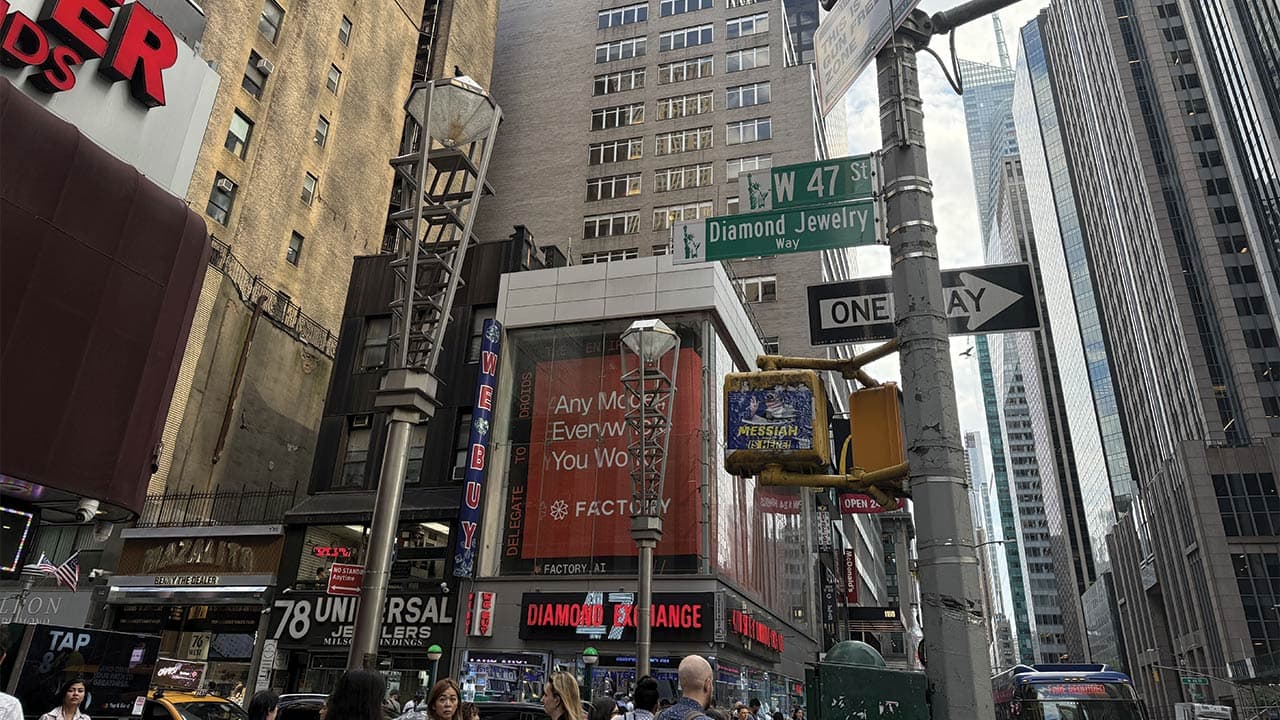
Lab-grown diamonds made up 60% to 70% of engagement-ring sales on 47th Street, turning Manhattan’s diamond district into a live gauge of how bridal spending was splitting by price and product. The compact corridor between Fifth Avenue and Sixth Avenue in Midtown Manhattan has long been a key diamond-trading hub, and the 47th Street Diamond District Partnership was formed there in 1997.
The demand shift showed up most clearly in bridal. The Knot’s 2025 Real Weddings Study found that 61% of engagement rings featured a lab-grown center stone, up 239% since 2020, while average spending slipped to $4,600 from $5,200 a year earlier. At the same time, the average center stone grew to 1.9 carats from 1.7 carats, and 40% of couples said it was specifically important that their stone be lab-grown. On 47th Street, buyers were also gravitating toward larger carat sizes, a sign that the market was no longer just trading down, but trading differently.
That split had been building for years. Rapaport previously reported that one Buffalo jeweler said lab-grown stones accounted for about 65% of engagement-ring sales in 2022, while another merchant said the category could reach 70% of engagement-ring sales. Rapaport has also noted that lab-grown diamonds could sell at an 85% to 90% discount to the Rapaport Price List for natural diamonds, a price gap that kept widening the divide between value-driven bridal shoppers and retailers still betting on mined stones as the premium option.

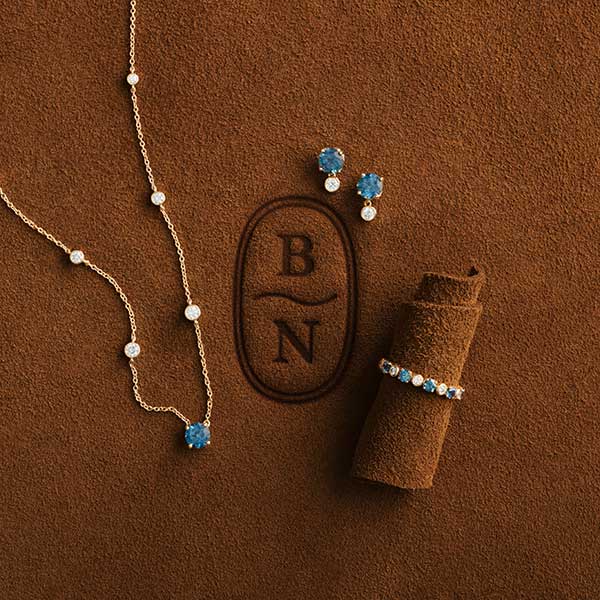
The pull was not limited to synthetics. Sapphires, emeralds and rubies remained strong on 47th Street, and chunky gold pieces were still moving because shoppers saw them as both adornment and investment. That instinct had broader support: the American Gem Trade Association has said colored gemstones were gaining market share in a diamond-heavy market, while the World Gold Council said total gold demand in the first quarter of 2026 reached 1,231 tonnes and its value hit a record $193 billion. In a district built on diamonds, the clearest signal was that bridal dollars were separating into two lanes, one chasing lab-grown size and price, the other staying with gold and color for heft, wearability and perceived value.
This article was produced by Prism’s automated news system from verified source data, official records, and press releases, then run through automated quality and moderation checks before publishing. The system is built and supervised by the people who set the standards it runs under. Read our full AI policy.
Did this article answer your question?