Market Comment — Weekly Diamond News (March 26, 2026)
De Beers slashed its sightholder list by 30% while Alrosa logged 6-9% rough price gains; the squeeze on natural diamond supply is now structural, not cyclical.
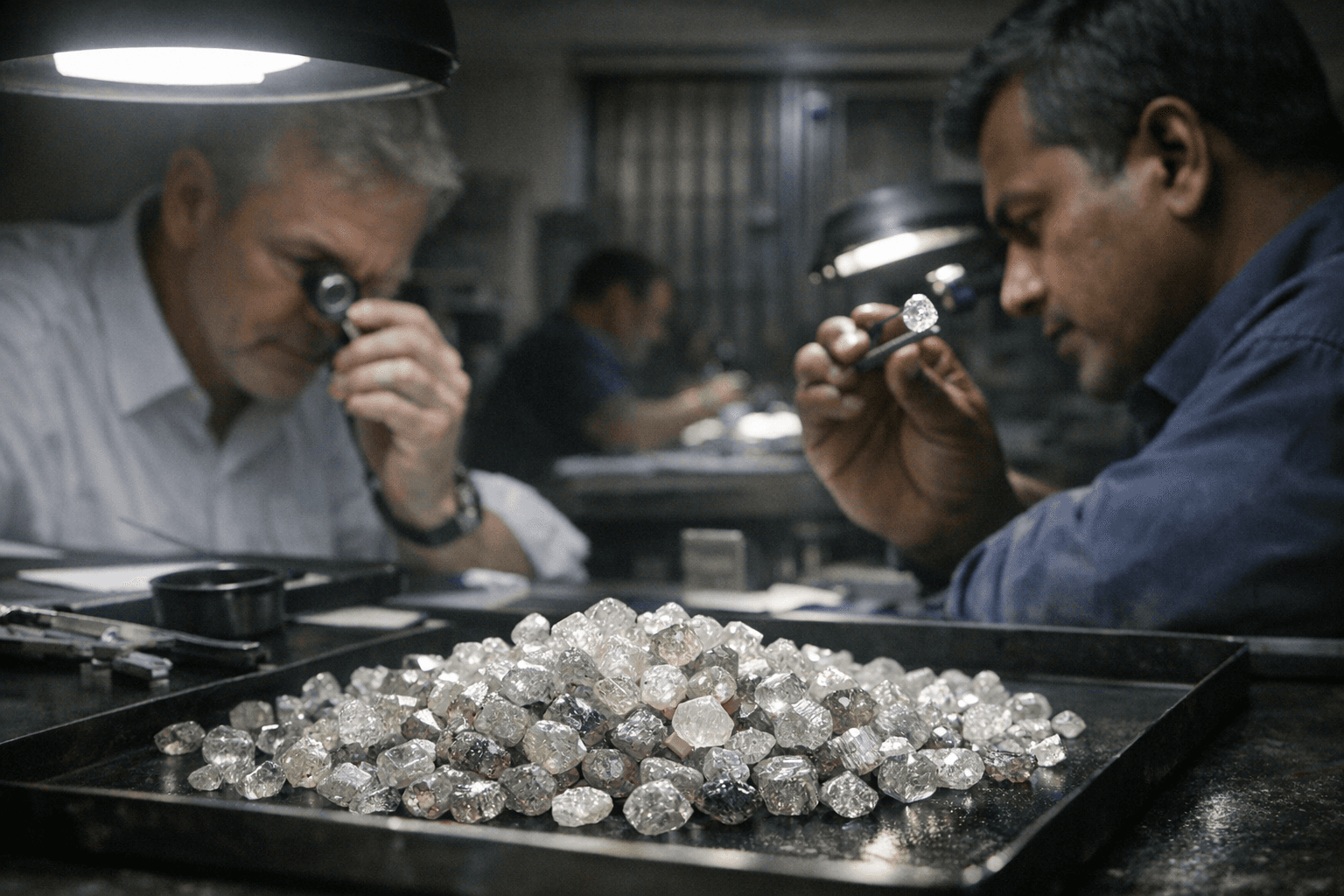
The signal that will matter most to retailers over the next six months arrived quietly: De Beers informed its sightholders in mid-March that it was cutting the buyer roster from roughly 70 to between 45 and 50, a reduction of approximately 30%, effective July 1 when the new contract period begins. Paired with Alrosa's report of 6% to 9% price gains in rough diamonds between 2 and 10 carats since January 1, and a notable price jump at the Okavango Diamond Company's March auction in high-quality, 5-to-9-carat rough, the week's data points collectively toward one conclusion: the supply side is tightening in a way that polished pricing will eventually have to reflect.
For retailers managing core inventory, the most immediately actionable signal sits in the -2 polished category. Discounts in smaller goods narrowed meaningfully during the week, and demand for those sizes was described as strong, driven by limited supply rather than any sudden surge in orders. That combination, shrinking discounts plus constrained availability, is the early warning structure that precedes genuine price recovery. Studs and tennis bracelets built around the 0.30-to-0.50-carat per-stone range fall squarely in this zone; replenishing those SKUs now, before the July contract restructuring filters through the cutting centers, is the more disciplined position.
At the larger end, 2-carat-and-above polished remained stable and, critically, in short supply. Bridal inventory in this range is worth prioritizing. The Alrosa rough gains were most pronounced in the 2-to-10-carat bands, which means the pipeline for high-value polished is already more expensive at the source, even before the De Beers sightholder reduction removes additional volume from the market.
Shape-specific trading added further nuance. Long fancy cuts, ovals, marquises, and pears, continued to perform well in larger sizes, where demand has been consistent enough to sustain premiums. Princess cuts were softer, a shape-specific weakness that has persisted long enough to reflect a genuine shift in consumer preference rather than a temporary lull. Retailers carrying deep princess-cut inventory should not expect a near-term catalyst.
Geographically, India remained quiet amid slow orders and religious holidays, while US demand held steady in select size categories, maintaining the asymmetry between the two largest midstream and retail markets that has characterized much of early 2026.
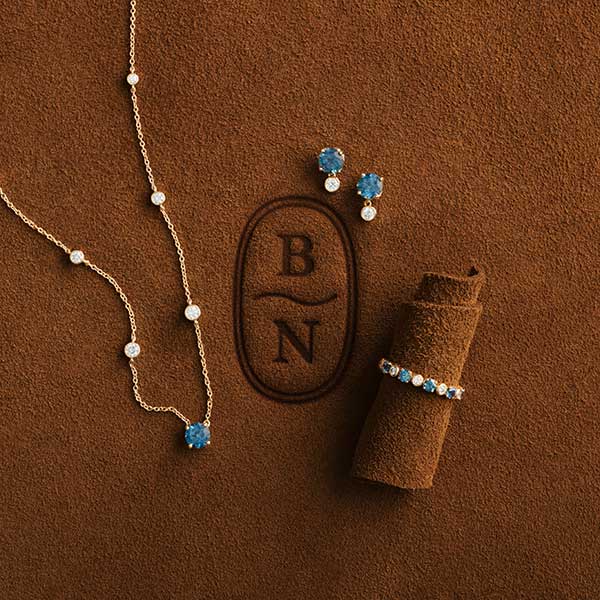
Two structural developments framed the week's trading. Rio Tinto's Diavik mine in Canada's Northwest Territories reached its final day of production on March 24, closing after 23 years and more than 150 million carats of rough recovered from beneath the frozen surface of Lac de Gras. Closure work will continue through 2029, but the supply it once contributed is now permanently offline. Separately, Blue Nile's reported pivot away from lab-grown diamonds, positioning the retailer as "primarily natural," adds a meaningful demand signal: one of the highest-volume online platforms for engagement rings is recalibrating toward natural stones at precisely the moment natural supply is structurally contracting.
The combination of a reconfigured De Beers distribution network, rising Alrosa rough prices in the most commercially significant size bands, and the permanent closure of Diavik does not describe a market in temporary recovery. It describes a market where the long-predicted supply floor is finally arriving.
This article was produced by Prism’s automated news system from verified source data, official records, and press releases, then run through automated quality and moderation checks before publishing. The system is built and supervised by the people who set the standards it runs under. Read our full AI policy.
Did this article answer your question?