MFAH to stage first U.S. retrospective of Bernhard Schobinger jewelry
MFAH will bring 53 Schobinger works to Houston, making his first U.S. retrospective a rare look at jewelry that crosses into sculpture.
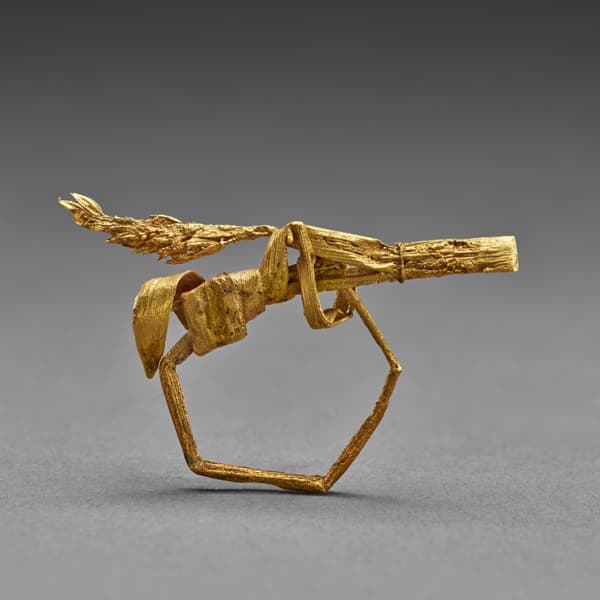
The Museum of Fine Arts, Houston will open Going Underground: The Jewels of Bernhard Schobinger on the second floor of the Nancy and Rich Kinder Building, bringing 53 works by the Swiss jeweler to Texas in the first U.S. exhibition devoted to his career. The survey will run from Sept. 3, 2026, through Jan. 3, 2027, and will gather necklaces, bracelets, rings, and selected sculptures from private collections and MFAH holdings.
MFAH is framing the show as more than a chronology. The museum says the installation will place Schobinger’s work in conversation with the shadow of World War II, the anarchy of punk music, and the political and cultural forces that shaped his life, an approach that fits an artist who has spent nearly six decades pushing jewelry beyond conventional notions of decoration. His official site describes him as one of the most distinctive and influential jewelry artists of the last five decades, and the exhibition title signals the same stance: underground, restless, and defiantly independent.
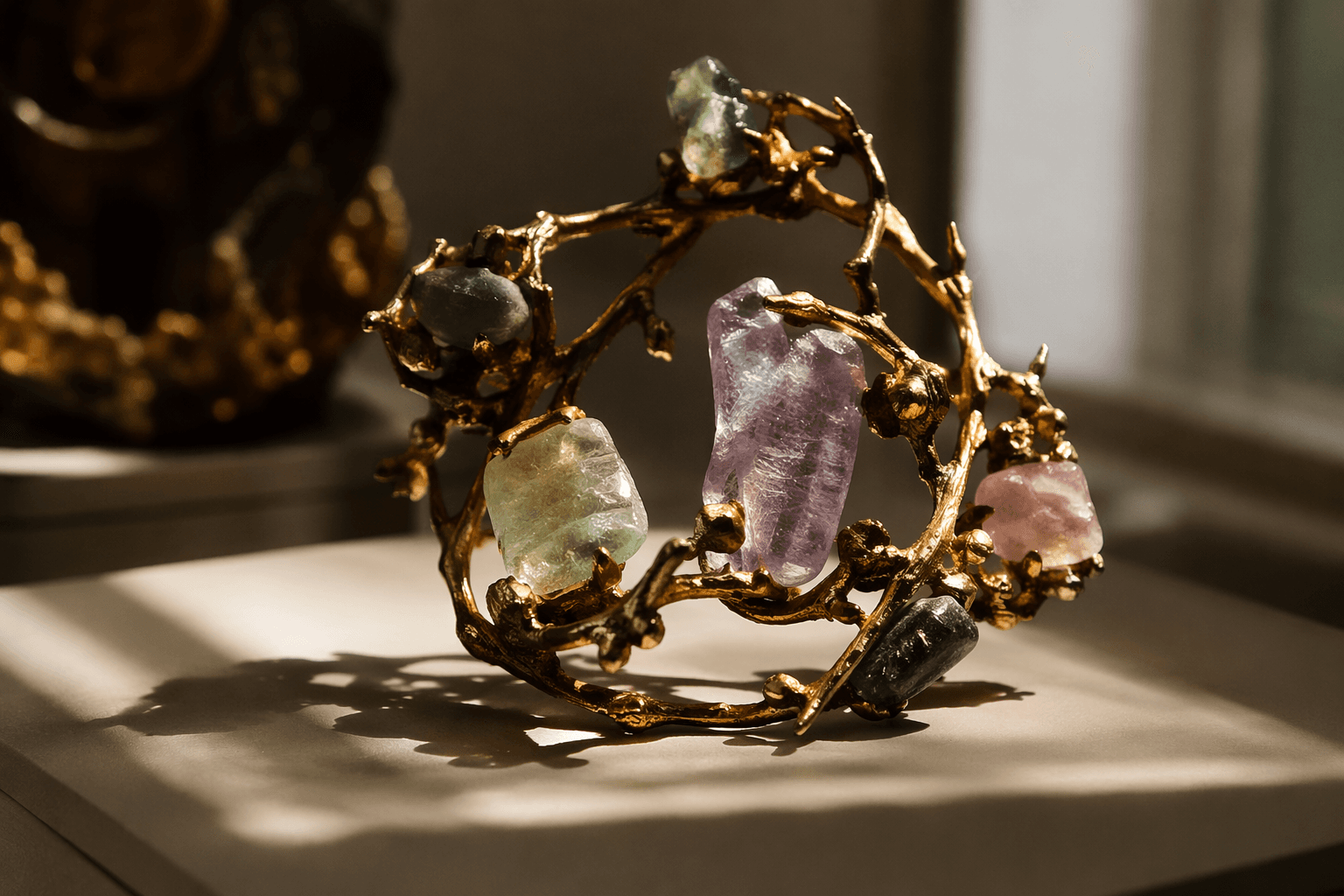
Schobinger was born Jan. 18, 1946, in Zurich, studied at Kunstgewerbeschule Zurich, and trained as a goldsmith in the city before establishing an independent studio in Richterswil in 1968. That date matters because the exhibition begins there, with works from 1968 and continues to the present, tracing how an artist formed in postwar Switzerland turned jewelry into a field for experiment rather than mere adornment. His own site says his practice explores universal aspects of developed cultures through materials, design, and color, a vocabulary that suggests jewelry used as thought as much as ornament.
The pieces on view should give visitors a concrete sense of that shift. A retrospective built from private collections and museum holdings, and extending across necklaces, bracelets, rings, and sculptural works, allows Schobinger’s range to be seen in full, not as isolated objects but as an argument about what jewelry can do. In Houston, that argument will be sharpened by the museum’s curator tour, led by Elizabeth Essner, the Windgate Foundation Associate Curator of Craft at MFAH, and Meagan Howard, a curatorial assistant in decorative arts, craft, and design.
MFAH has also scheduled a Perspectives on Contemporary Jewelry symposium for Sept. 26, 2026, alongside its exhibition of German jeweler Dorothea Prühl. Placed in that wider program, Schobinger’s first American retrospective arrives as a statement of method as much as of reputation: jewelry can carry history, politics, and form in the same small span of metal, stone, and color.
This article was produced by Prism’s automated news system from verified source data, official records, and press releases, then run through automated quality and moderation checks before publishing. The system is built and supervised by the people who set the standards it runs under. Read our full AI policy.
Did this article answer your question?