Old-cut diamonds gain favor as rarity and prices climb
Collectors and designers are driving old-cut diamonds out of the bargain bin, as hand-shaped rarity, tighter supply and lab-grown pressure push prices higher.
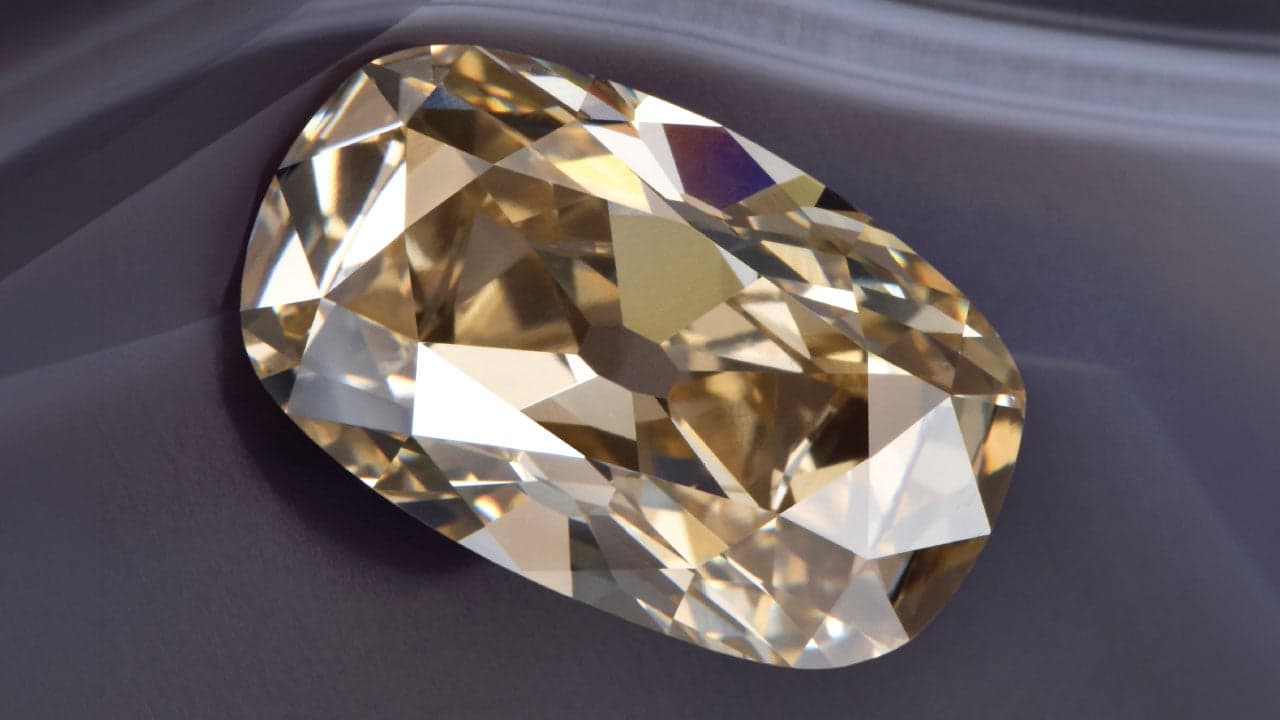
Old-cut diamonds have crossed an important threshold: they are no longer being hunted only for charm, but for scarcity. Demand has risen sharply over the past five years, and prices have moved from heavy discounts to competitive levels, with some stones now commanding premiums because the supply of true old-cut cutters is so thin.
Why the old-cut market is heating up
The appeal starts with what cannot be mass-produced. Old-cut diamonds carry visible history in their proportions and the traces of handwork that shaped them, which gives each stone a personality that feels increasingly rare in a market crowded with standardized goods. Collectors want that singularity, and contemporary designers want the same quality translated into jewelry that feels less manufactured and more authored.
A second force is fashion legitimacy. The Natural Diamond Council says the audience has widened beyond collectors to designers working in the present tense, while celebrities such as Taylor Swift and Natalie Portman have been linked to old mine cut diamond rings. That kind of visibility matters because it turns an antique style into a recognizable aesthetic language, not merely a niche connoisseur’s preference.
What makes an old cut look different
Old mine cuts and old European cuts are not interchangeable, though they belong to the same broad family of antique diamond cutting. The Gemological Institute of America says old mine cuts were shaped entirely by hand, common from the early 18th century through the late 19th century, and especially prevalent in Georgian and Victorian jewelry. They typically have 58 facets, but the facet arrangement is visibly different from a modern round brilliant: a smaller table, a larger culet, a higher crown and short lower-half facets.
Those proportions matter because they change the way light moves through the stone. GIA notes that old mine cuts were designed to sparkle in candlelight, which helps explain their soft, romantic character. The effect is less about the sharp, high-contrast brightness many buyers associate with contemporary rounds and more about warmth, depth and a glow that feels intimate rather than engineered.
Old European cuts sit a little later in the lineage, generally dated from about 1890 to 1930, and are often described as the bridge between antique and modern cutting styles. Where old mine cuts look unmistakably hand-shaped, old Europeans can feel more settled into the geometry that eventually led to the modern round brilliant.
Scarcity is driving the premium
The market is responding to supply as much as style. Rapaport says true old-cut diamond cutters are scarce, and that shortage is reshaping how these stones enter the market. Some vintage diamonds are being recut, while others are being reproduced in modern styles that emulate historic cuts, which tells you how hard it can be to source original material in the shapes buyers now want.
That scarcity has helped change the pricing conversation. Old cuts were once treated as curiosities that traded at discounts, but Rapaport says pricing has become competitive, with some stones commanding premiums. In practical terms, the best stones are no longer valued only as antique objects; they are competing as desirable luxury goods with a shrinking supply and a widening audience.
The strongest premiums tend to follow the stones that preserve the qualities collectors prize most: distinctiveness, believable age and the hand-cut irregularities that separate an old cut from a modern interpretation. That is why a well-preserved old stone can feel closer to a one-off artwork than a commodity.
Old cuts versus modern round brilliants
This is where the comparison becomes useful for anyone weighing rarity against polish. Modern round brilliants are easier to source, easier to replace and easier to price because they are standardized and produced in far greater volume. Old cuts are the opposite: each stone is idiosyncratic, and that individuality complicates sourcing while also strengthening its appeal.
For margins, the difference is equally striking. Modern rounds sit in a much broader market where competition is intense and comparability is straightforward. Old cuts, by contrast, can support stronger margins when a dealer finds an exceptional stone with the right proportions, condition and character, because there may be no equally compelling substitute nearby.
Resale and investment appeal also diverge. A modern round brilliant usually sells on the basis of measurable quality, while an old cut can carry value through rarity, story and design relevance. The strongest long-term appeal is likely to belong to stones with documented provenance, attractive hand-cut architecture and a look that designers can still translate into current jewelry. The risk, of course, is that not every antique stone is exceptional, and the market has little patience for old cuts that feel merely old.
Who is buying them now
The buyer base is broader than it was even a few years ago. Collectors remain central, but the Natural Diamond Council’s framing captures the shift well: old cuts are also speaking to contemporary designers and to clients who want jewelry with individuality, warmth and a connection to the past. That mix is powerful because it combines intellectual collecting with emotional buying.
Engagement-ring shoppers are another key segment. The rise of celebrity-linked old mine cut rings has made the style visible to people who may not have been shopping antique stones before, but who now recognize the look as both refined and distinct. In a market where many natural diamonds must compete against lab-grown stones that can sell for just 10 percent of the price of mined diamonds, old cuts offer a different proposition entirely: not lower cost, but higher character.
That contrast helps explain why the trend has momentum. Lab-grown diamonds have reset consumer expectations around price, while old cuts answer with scarcity, handwork and history. In a market where sameness is easy to buy, the old-cut diamond has become valuable precisely because it refuses to behave like a commodity.
This article was produced by Prism’s automated news system from verified source data, official records, and press releases, then run through automated quality and moderation checks before publishing. The system is built and supervised by the people who set the standards it runs under. Read our full AI policy.
Did this article answer your question?