Queensmith says lab-grown diamonds now drive 87% of sales
Queensmith says lab-grown stones made up 87% of diamond sales last month, up from less than 1% in 2019, as price cuts and bigger sizes rewrote demand.

Lab-grown diamonds have moved from curiosity to command at Queensmith, where they accounted for 87% of diamond sales last month, up from less than 1% in 2019. Natural diamonds now make up just 13% of the Hatton Garden retailer’s diamond business, a reversal sharp enough to turn one London jeweller into a live case study for the wider trade.
The shift is not just about taste. Queensmith has tied the change to value, larger carat sizes, ethical sourcing and transparency, and those arguments now sit at the center of how many shoppers approach an engagement ring. The company said the lab-grown market began gathering momentum around 2020 and has accelerated since then. It previously said lab-grown diamond sales had risen 2,860% in five years, and that around two in three engagement rings bought at Queensmith were lab-grown. A 2021 survey it cited found 88% of respondents would prefer a lab-grown diamond engagement ring, while nearly 60% had not heard of the category at the time.

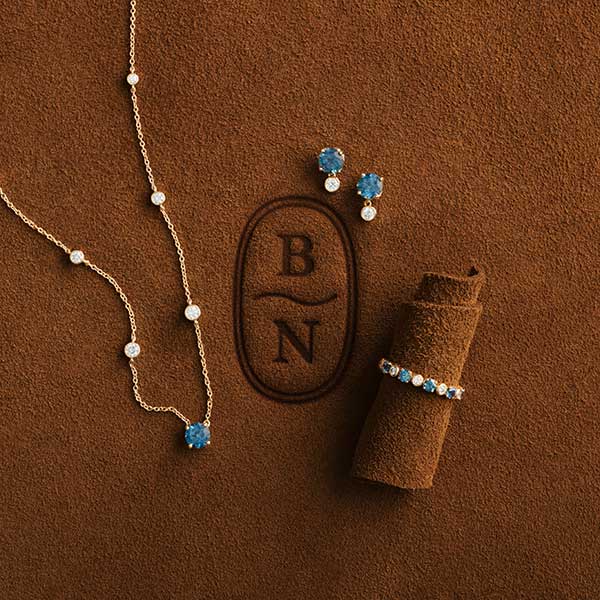
That kind of conversion matters because engagement rings still anchor diamond retail economics. Queensmith says it is the largest retailer of lab-grown diamonds in the UK, and it sells ethically sourced lab-grown and natural diamonds from its Hatton Garden workshops at 98 Hatton Garden, London, England, EC1N 8NX. Its founder and chief executive, Brett Afshar, is a qualified gemmologist, which gives the business a sharper technical vocabulary than many mass-market jewelers when it talks about cut, brilliance and quality. Queensmith’s own website says lab-grown diamond jewellery offers the same brilliance and quality with greater transparency.
The bigger question is whether Queensmith is an urban outlier or an early warning for the rest of the market. De Beers Group has already moved defensively, saying in May 2025 that it intended to close Lightbox, its lab-grown diamond jewellery brand, which had launched in 2018 with transparent linear pricing of $800 per carat. De Beers also said lab-grown prices in jewellery had fallen 90% at wholesale, a collapse that helps explain why value-seeking buyers have shifted so quickly toward larger stones. In its June 2026 Diamond Report, De Beers said synthetic lab-grown diamonds held a 15% value share of US independent jeweller sales in 2025 even as volumes surged on new supply from China and India.
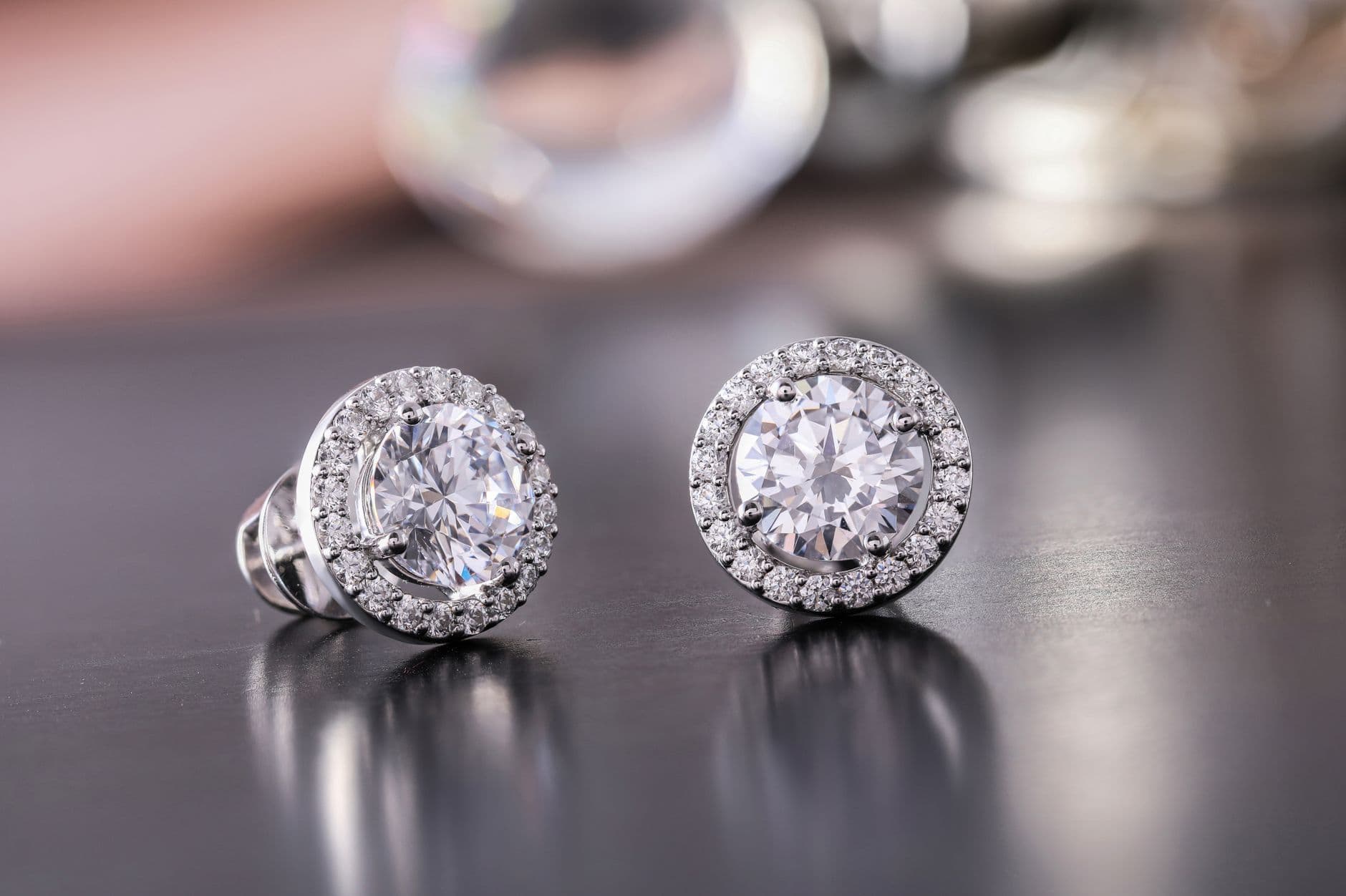
That split between volume and value is where the trade now has to make its hardest decisions. De Beers’ latest US consumer research, released on 11 June 2026, said natural diamonds remain the most desired luxury jewellery product, average purchase prices have risen 25%, and non-bridal occasions account for three-quarters of overall US demand. The Gemological Institute of America still marks the category difference in grading and assessment, including laser inscription of the term Laboratory-Grown on the girdle. For retailers, the message is becoming impossible to ignore: lab-grown is no longer the sideshow, and assortment decisions now decide which side of the market a jeweller intends to own.
This article was produced by Prism’s automated news system from verified source data, official records, and press releases, then run through automated quality and moderation checks before publishing. The system is built and supervised by the people who set the standards it runs under. Read our full AI policy.
Did this article answer your question?