Recycled Natural Diamonds Gain Momentum as Sustainability Shapes Buyer Demand
Reclaimed natural diamonds carry zero new mining impact and cost less than their newly mined counterparts, yet most buyers don't know to ask for them.
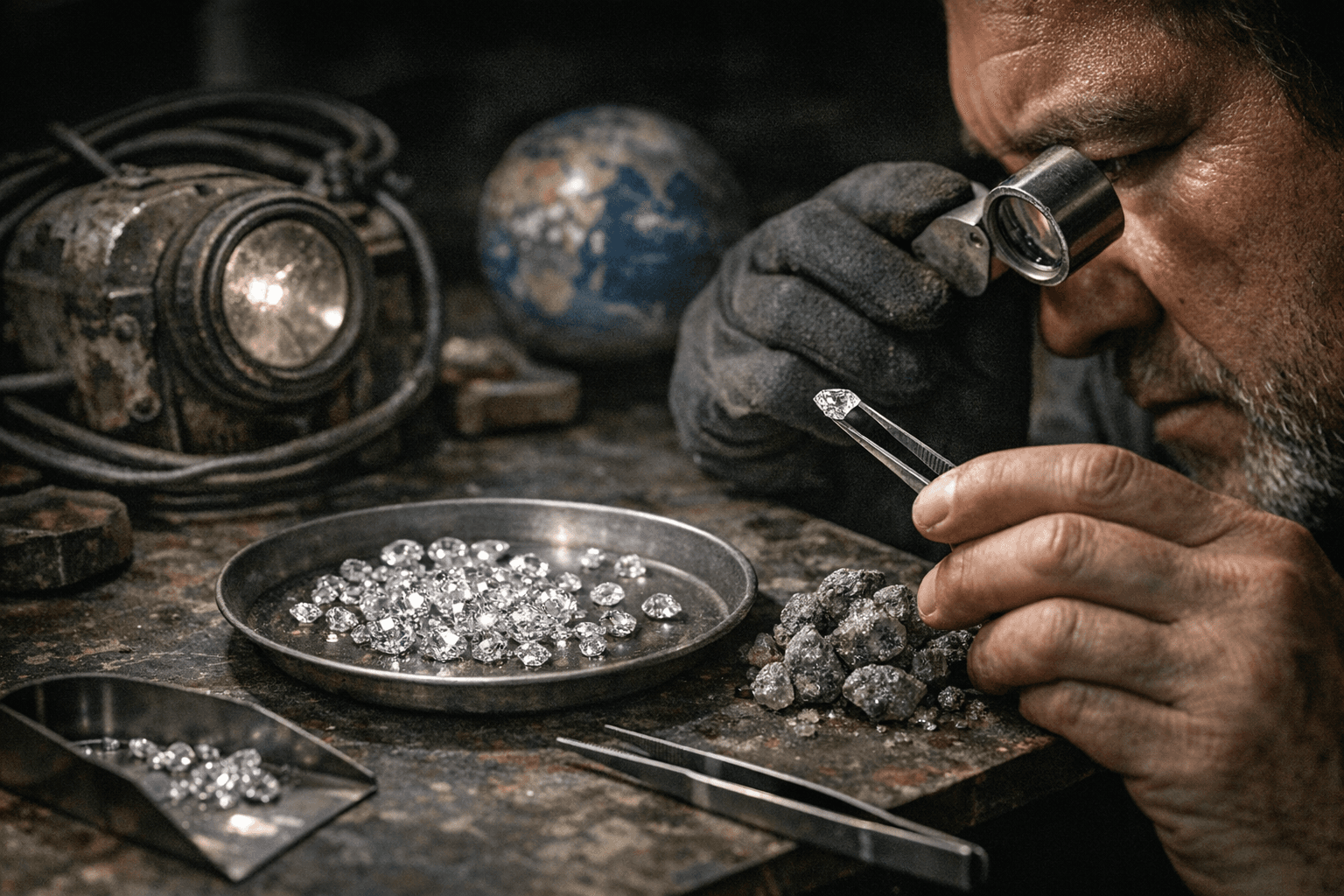
Before you spend a single dollar on a diamond, consider the stone that already exists. Somewhere in a jeweler's estate tray or a grandmother's velvet box, there is a natural diamond that has already been pulled from the earth, cut by hand, and worn through decades of life. Reclaiming it costs nothing in new mining impact, nothing in the energy-intensive manufacturing that laboratory-grown production requires, and often significantly less than walking into a flagship retailer for an equivalent newly mined stone.
The momentum behind recycled natural diamonds has been building steadily, and the industry is paying attention. The recycled diamond market is projected to grow between 3 and 5 percent annually, adding an estimated 150,000 carats of rough equivalent to supply each year, according to trade analysis. That figure is modest compared to global mining output, but the category's direction is unmistakable: sustainability-driven buyers are asking questions that the industry is only now equipping itself to answer.
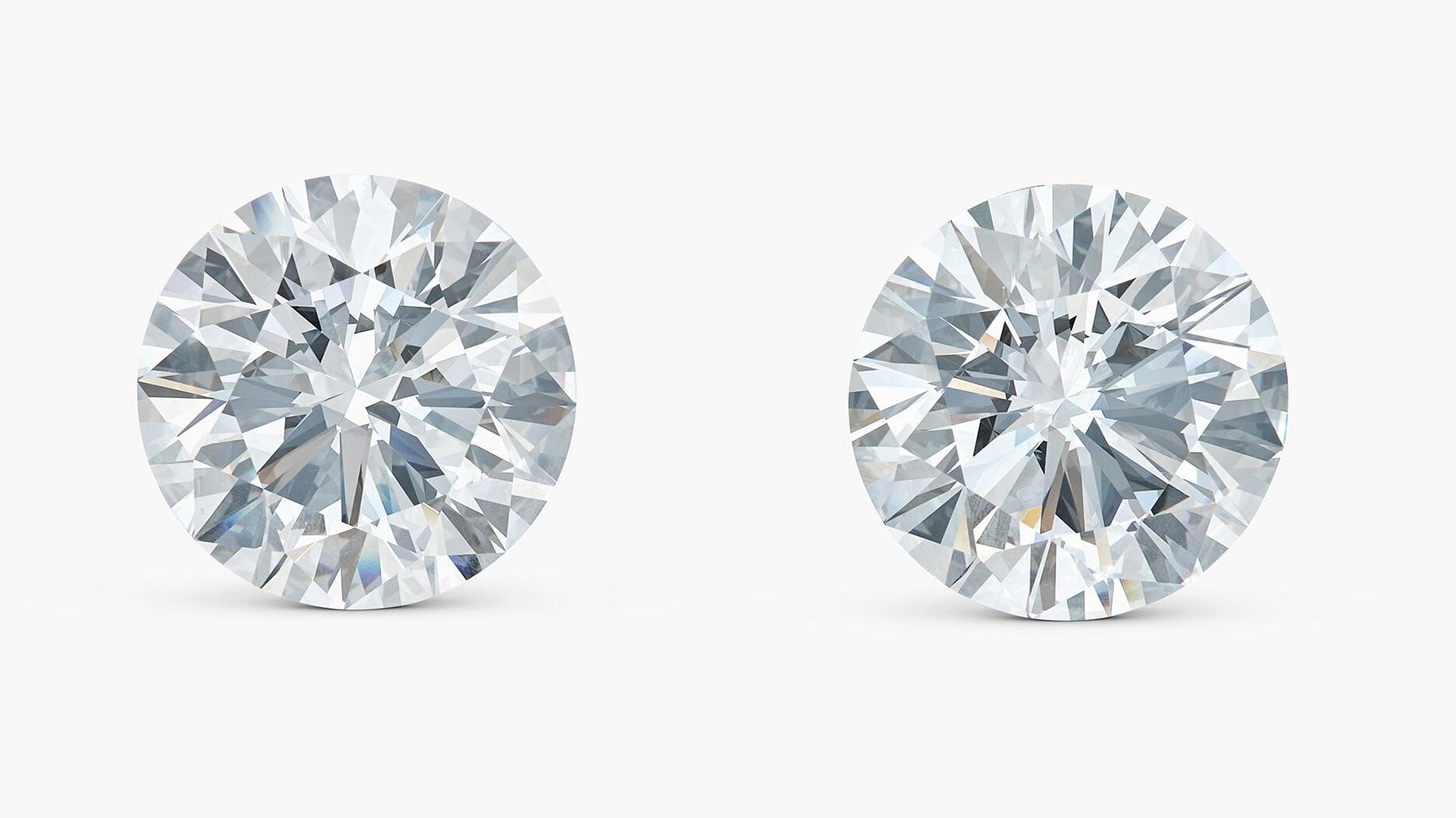
The choice at the counter is no longer binary. For years, the conversation pitted newly mined natural diamonds against lab-grown alternatives, with lab-grown winning ground rapidly on both price and ethics. By 2024, lab-grown stones captured more than 45 percent of U.S. engagement ring purchases, a figure that would have seemed implausible a decade ago. A one-carat lab-grown diamond now averages around $1,000 or less, while an equivalent natural stone trades closer to $4,200. Recycled naturals occupy a middle ground that most buyers overlook entirely.
The environmental distinction between the three categories is more nuanced than marketing language tends to acknowledge. Newly mined diamonds carry the heaviest footprint: open-pit and underground operations disturb land, consume water, and generate significant carbon emissions. Lab-grown diamonds sidestep those harms but introduce their own: reactor-based production, whether chemical vapor deposition or high-pressure high-temperature methods, is energy-intensive, and the environmental calculus depends entirely on the energy source powering the facility. Reclaimed natural diamonds, by contrast, require no new extraction and no new manufacturing energy. The stone exists. The only question is who wears it next.
The word "recycled" carries legal weight that buyers should understand. In the jewelry trade, a recycled diamond is a natural diamond previously owned or manufactured that has re-entered the supply chain to be repurposed. The definition is broad by design: it encompasses everything from a 1920s old European cut released from a broken brooch to a contemporary round brilliant removed from an ex-fiancée's return. What it cannot legally mean is a diamond that was simply cleaned and resold without any change in ownership or purpose. If a retailer markets a stone as recycled, ask for documentation of its prior use and the chain of custody that brought it to the case.
That documentation request is the single most important step a buyer can take. Reputable sellers of reclaimed stones should be able to provide a current grading report from an independent laboratory, most commonly GIA, which offers full 4Cs assessment for natural diamonds weighing 0.15 carats or more. Provenance documentation, even if informal, matters: estate sale receipts, prior appraisals, or a written statement from the selling jeweler describing how the stone was acquired all constitute a meaningful paper trail. The SCS-007 certification, developed by SCS Global Services, goes further, evaluating diamonds against environmental, social, and governance benchmarks and requiring a net-zero carbon footprint commitment. Not every recycled stone will carry it, but it is the most rigorous third-party standard currently available for sustainability claims in the diamond category.
Re-grading is non-negotiable. A diamond removed from an estate setting may have been graded decades ago under different laboratory standards, or may carry no documentation at all. Stones can be chipped during removal; clarity grades that held at the time of original sale may no longer accurately reflect the stone's condition. Always request a current report on any recycled natural diamond before purchase, and factor the cost of re-submission, typically between $50 and $150 for GIA natural diamond grading, into the overall price evaluation.
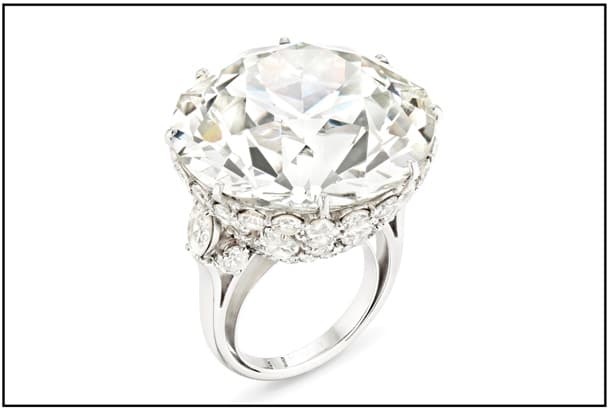
The style case for reclaimed stones has never been stronger. Old European cuts and old mine cuts, both hand-fashioned before the rise of modern brilliant cutting in the early twentieth century, have surged in collector demand. Their larger facets, higher crowns, and deeper proportions produce a softer, warmer light return than contemporary rounds, and because they were cut by eye rather than computer, no two are identical. London-based designer Sophie Hughes has built her practice around reclaimed vintage and antique diamonds, noting that stones more than a century old are, by definition, one-of-one. The antique cuts she sources from estate jewelry carry a character that a machine-cut stone, however technically perfect, cannot replicate.
Heirloom resets represent the category's most emotionally resonant format. A client who inherits a diamond solitaire in a dated four-prong Tiffany-style setting from the 1970s is not inheriting a dated piece of jewelry; she is inheriting a stone that can be liberated and placed into a contemporary bezel, a delicate pavé band, or an east-west elongated setting that reads as entirely current. The stone's history travels with it. That narrative dimension, what the industry calls heirloom storytelling, is increasingly central to how fine jewelers differentiate themselves in a market where lab-grown production can now replicate the optical properties of natural diamonds with industrial precision.
For retailers, the commercial case is equally compelling. Recycled diamond inventory carries a margin profile distinct from newly mined goods: sourcing costs vary widely depending on the acquisition channel, whether estate sales, trade-in programs, or wholesale reclaim networks, but the absence of mining premiums embedded in newly mined wholesale prices gives experienced buyers room to work. More significantly, ESG-conscious corporate gifting and bridal clients are actively seeking documentation of sustainable sourcing, and a retailer who can present a verifiable reclaimed stone with a current GIA report, a provenance statement, and an SCS-007 certification is meeting a demand that neither a standard newly mined diamond nor a generic lab-grown stone addresses with the same specificity.
The watch-out for buyers is terminology drift. "Pre-owned," "estate," "vintage," and "recycled" are used interchangeably in some retail contexts but carry different implications. A pre-owned diamond has had at least one prior owner; an estate diamond comes from a deceased person's collection; a vintage stone is typically defined as being at least 20 years old; an antique stone is generally 100 years or older. None of these terms automatically guarantees sustainable sourcing practices, and none is regulated with the rigor of, say, the Kimberley Process Certification Scheme, which governs conflict diamond status for rough goods. Buyers should press for specifics on each and accept documentation, not marketing language, as the standard of proof.
The recycled natural diamond category sits at an intersection that few others in fine jewelry occupy: it is simultaneously the most sustainable choice in the diamond market, a source of some of the most characterful and historically significant stones available, and often the most accessible price point for buyers who want natural diamonds without the premium attached to freshly mined goods. The question is no longer whether the category has a future. It is whether buyers, and the retailers who serve them, are asking the right questions before the sale.
Know something we missed? Have a correction or additional information?
Submit a Tip