Solitaires Hold Strong as Colored Stones and Lab Diamonds Reshape 2026 Engagement Rings
Solitaires still reign, but lab diamond sales jumped 46% and champagne diamonds in gold settings signal a deeper shift toward rings as personal narrative.
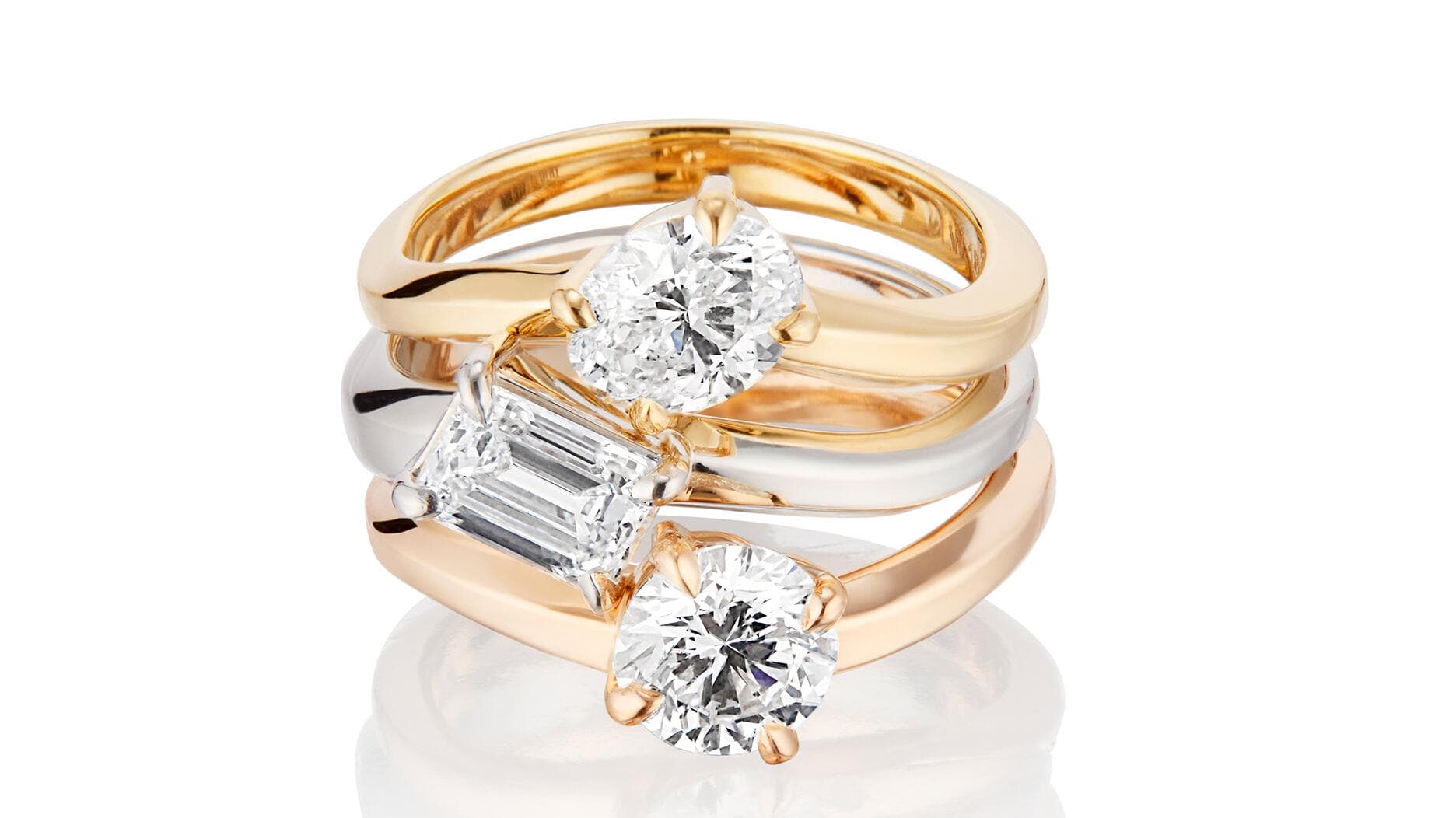
The solitaire has outlasted every trend cycle the jewelry industry has thrown at it, and 2026 is no exception. A National Jeweler trend piece published March 5, synthesizing perspectives from a jewelry historian, designers, and bridal directors, confirmed what most jewelers are seeing across their cases: the single-stone ring remains the dominant engagement choice. But dominance, in this context, does not mean stasis. The same report notes that couples are increasingly seeking individuality through colored stones, and the broader market data backs that instinct decisively.
Leah Blundell, Content Editor at Rock My Wedding, puts it plainly: "In 2026, we're going to see couples move even further away from traditional 'rules' around engagement rings. Colored diamonds, emeralds and gemstones speak to a desire for individuality and emotional storytelling." That shift is not a rejection of the diamond; it is a reimagining of what a diamond, or a stone beside it, is allowed to mean.
The Forces Reshaping the Conversation
What makes 2026 feel genuinely different from previous years is not the existence of colored stones or lab-grown diamonds, both of which have been building quietly for years, but the confluence of forces making them feel accessible rather than eccentric. Blundell points to social media and celebrity proposals as key normalizing agents: "Couples want rings that feel personal and symbolic rather than purely classic. Social media and celebrity proposals continue to normalize non-traditional choices, while increased access to bespoke design and alternative stones makes experimenting with color feel both aspirational and achievable."
The result is a market where a couple considering a champagne diamond solitaire in rose gold does not feel like they are going against convention; they feel like they are participating in a new one. As Blundell frames it, "engagement rings are becoming less about conformity and more about creating a piece that reflects a couple's identity." Yellow gold, notably, remains a strong setting preference, named explicitly as a favorite in Rock My Wedding's trend report alongside the rise in colored stones and distinctive diamond shapes.
Lab-Grown Diamonds: No Longer the Alternative
Perhaps the most significant structural shift in the engagement ring market is the accelerating adoption of lab-grown diamonds. According to Rock My Wedding's trend data, lab diamond sales are up 46% from last year, a figure significant enough to signal that these stones have crossed from niche to mainstream. Blundell notes strong sales for both diamond types, with lab diamonds carrying particular momentum.
The scientific case for lab-grown diamonds is straightforward. As Blundell explains, "Lab created diamonds, as the name suggests, are developed in a laboratory in conditions that replicate the process of natural diamonds. They are chemically and optically identical, while the time and cost of producing lab diamonds is lower, reflecting the price." That price differential, combined with optical and compositional parity to mined stones, addresses two of the most common friction points in engagement ring buying: budget and ethical concern. A lab-grown diamond in a classic four-prong solitaire setting is, to every gemological instrument and the naked eye, a diamond. The lower price point does not diminish the stone; it shifts spending priorities, letting couples invest more in setting craftsmanship, stone size, or a secondary band.
The Case for Color: From Emeralds to Champagne
Colored stones and colored diamonds are not new to engagement rings, but the current wave feels less trend-driven and more intentional. Brdiamonds' market commentary describes couples as "increasingly drawn to stones that feel expressive and unexpected, adding depth, warmth, and personality to their engagement rings." Rock My Wedding's report names emeralds alongside colored diamonds as expressions of emotional storytelling. National Jeweler's trade coverage corroborates the pattern.
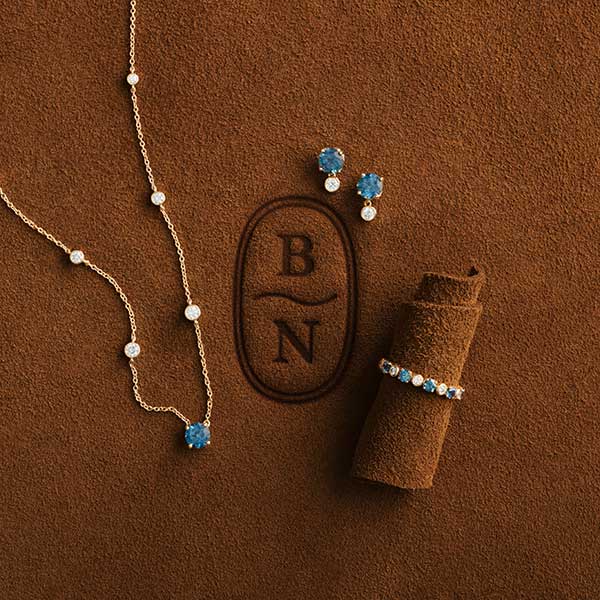
Within the colored diamond category specifically, softer, warmer hues are dominating. "Soft, neutral hues like champagne, honey, and light yellow diamonds are especially popular for their versatility," according to Brdiamonds. "These tones pair beautifully with yellow and rose gold settings, creating a warm, romantic aesthetic that feels both modern and heirloom-inspired." For those wary of color that dominates the design, these subtle champagne and honey tones offer a middle path: the visual warmth of color without the graphic intensity of a vivid fancy yellow or a deeply saturated emerald. The effect, set in a yellow gold bezel or a rose gold pavé band, reads as quietly distinctive rather than overtly bold.
This is, at its core, what "color as storytelling" looks like in practice. A champagne diamond chosen because it mirrors a particular memory, a light yellow stone selected for its warmth, an emerald that carries family meaning: these are not fashion choices so much as biographical ones. "In 2026, color isn't about following a trend, it's about storytelling," as Brdiamonds puts it.

Custom Design: The 3D CAD Moment
The rising appetite for personalization has made custom design more central to the engagement ring conversation than it has been in previous cycles. The process, once associated exclusively with high-budget bespoke commissions, has become more accessible through advances in 3D computer-aided design rendering. The workflow, as described by Brdiamonds, moves through four sequential stages:
1. Selecting your ideal diamond, whether a natural or lab-grown round diamond
2. Viewing your design through a detailed 3D CAD rendering
3. Making adjustments before production begins
4. Handcrafting the ring with expert jewelers
That third step matters more than it might seem. The ability to review and revise a photorealistic rendering before any metal is cast or stone is set eliminates much of the anxiety historically associated with custom work. You are not committing to a finished object sight unseen; you are collaborating on one with full visual clarity. "Custom doesn't have to be complicated," the Brdiamonds copy reads. "It's about intention, collaboration, and creating a ring that feels unmistakably yours."
Proposal-Ready Options for Every Timeline
Not every proposal has the runway for a custom build, and the market has adapted accordingly. Buchroeders' proposal-ready engagement rings are fully crafted and available to take home immediately, designed for surprise proposals or compressed timelines. Each piece in the collection features exceptional diamonds across both natural and lab-grown options, meaning the breadth of stone choice available through a custom process is also represented in ready-to-propose inventory.
This is a practical acknowledgment of how proposals actually happen: not always at the end of a months-long design collaboration, but sometimes on a Tuesday, with no warning, when the moment simply presents itself.
What the Solitaire Still Represents
It would be a mistake to read the rise of color, lab-grown stones, and custom design as a challenge to the solitaire's authority. The form endures precisely because it is infinitely adaptable. A champagne diamond in a solitaire setting is still a solitaire. A lab-grown round brilliant in a six-prong Tiffany-style mount is still a solitaire. The silhouette accommodates every stone choice and setting metal without surrendering its essential legibility.
What 2026 is actually producing is an expanded definition of what a solitaire can contain. The engagement ring remains, as Blundell observes, "more about the stories it symbolizes than ever." The solitaire, with its singular stone given full visual command, may be the purest vessel for that kind of storytelling. What changes is what story is being told, and who gets to tell it.
This article was produced by Prism’s automated news system from verified source data, official records, and press releases, then run through automated quality and moderation checks before publishing. The system is built and supervised by the people who set the standards it runs under. Read our full AI policy.
Did this article answer your question?