Sotheby’s to auction Maurice Tempelsman collection, jewelry and provenance shine
Sotheby’s will test how far Tempelsman provenance can lift a rare gold box, a Cartier watch and other jewels when his 11-lot estate sale opens in New York.
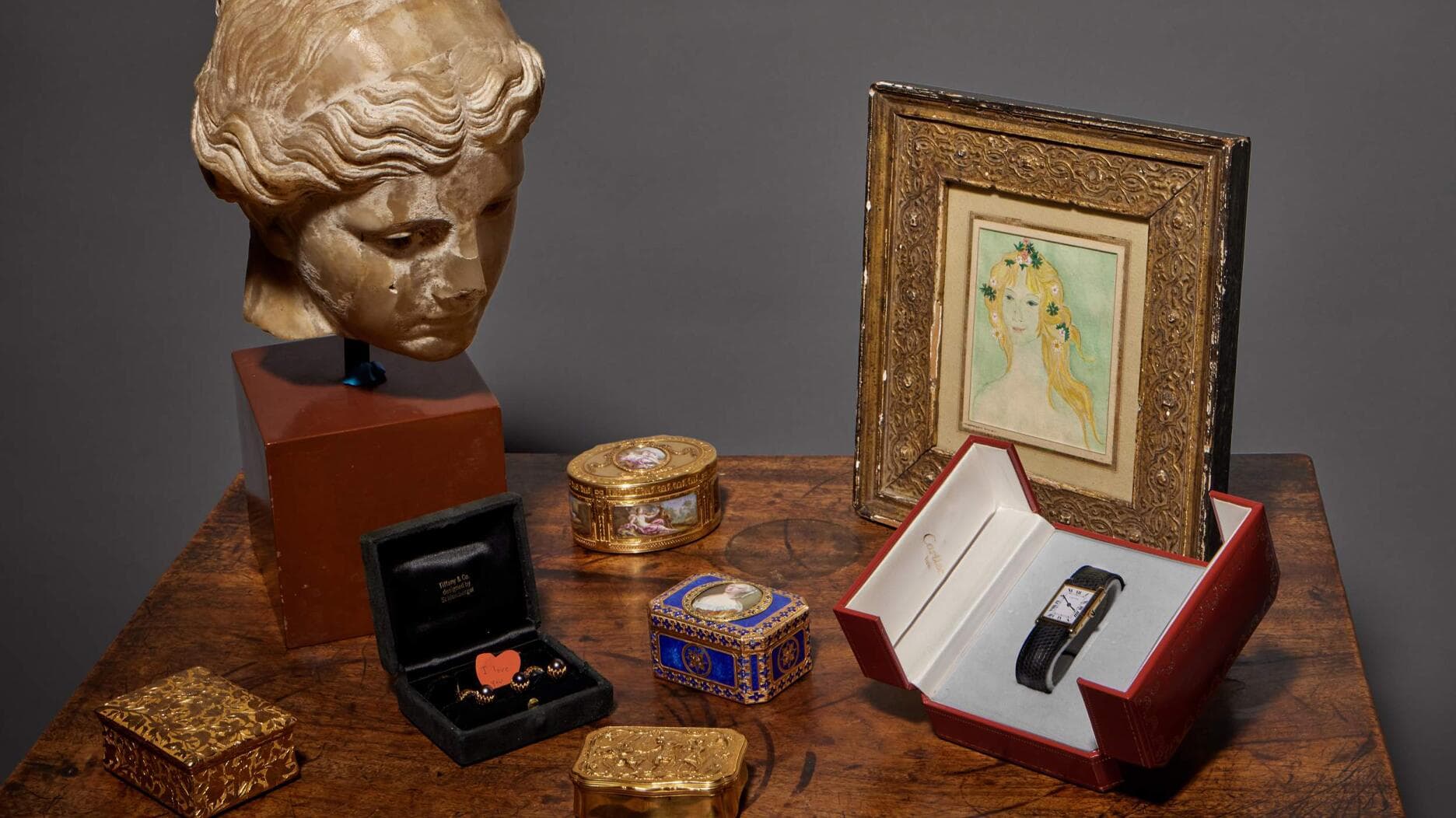
The sharpest bidding test in Maurice Tempelsman’s estate sale will not be the jewelry alone, but the way ownership history turns each object into a proxy for one of the diamond trade’s most connected names. Sotheby’s will open the 11-lot sale, A Marvelous Journey: The Collection of Maurice Tempelsman, in New York on June 24, after a public exhibition at 945 Madison Avenue from June 17 through June 23.
The headline lot is a gold and hardstone Steinkabinett box by Christian Gottlieb Stiehl, estimated at $600,000 to $800,000. Sotheby’s says Stiehl made only 10 such boxes in his career and that four are now in permanent museum collections, which leaves very little room for comparison and even less for complacency at the podium. This example last appeared at auction in Paris in 1906 and entered Tempelsman’s collection in the 1960s, then stayed out of public view for decades. That combination of rarity, dormant visibility and distinguished ownership is exactly the kind of formula that can push an object beyond its decorative value and into trophy territory.
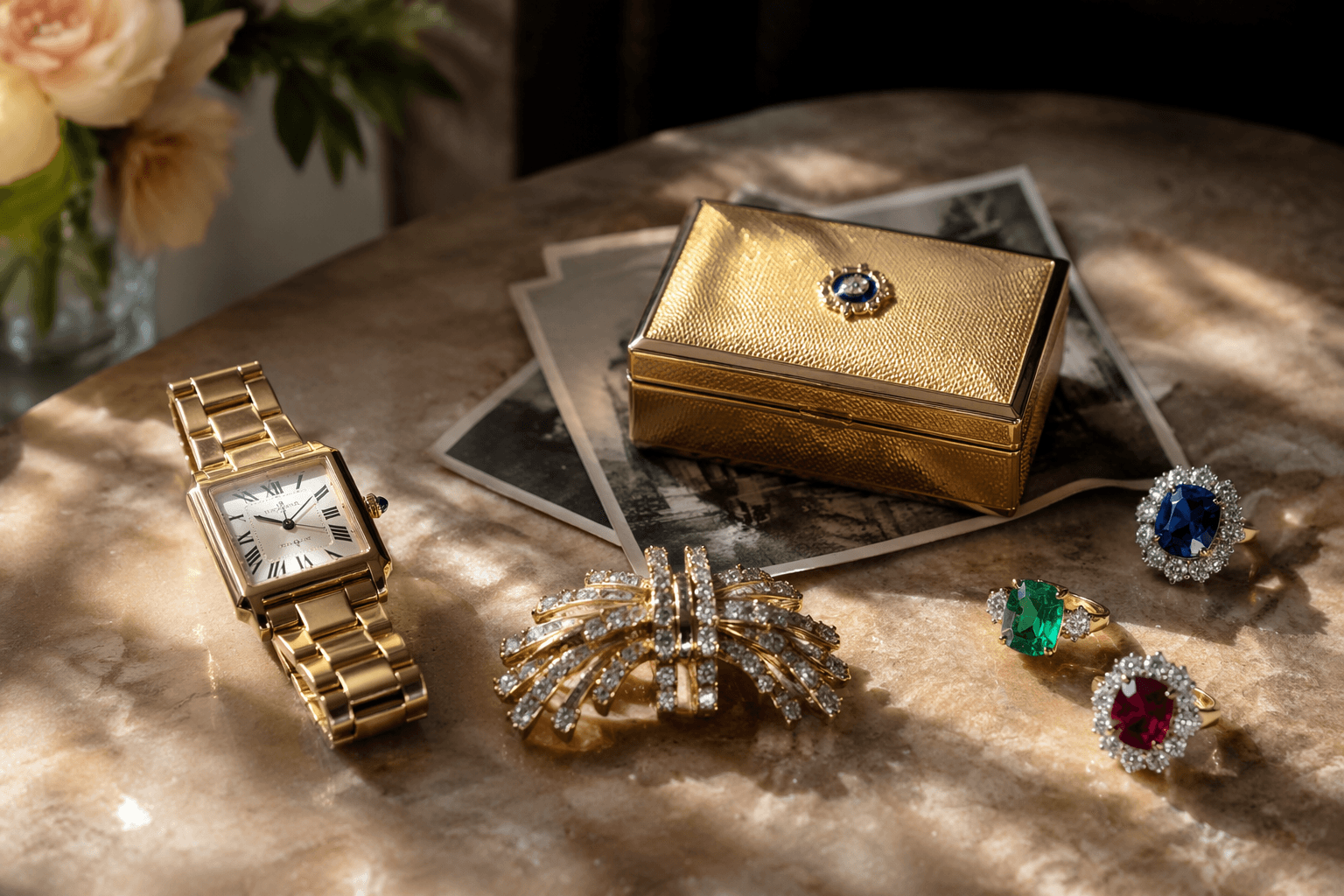
That effect may matter as much for the smaller jewels and personal objects as for the Stiehl box. The sale also includes a Cartier Tank Louis wristwatch engraved as a gift from Jacqueline Kennedy Onassis to Tempelsman, an Egyptian gold snake armlet, a gold and basse-taille enamel snuff box, a gold snuff box by Louis Métayer and a pair of cultured pearl dress-set items. A Paul Klee work, along with paintings and an alabaster head associated with Jacqueline Kennedy Onassis, broadens the auction’s appeal, but the strongest appetite is likely to center on the pieces where jewelry, intimacy and provenance overlap most tightly.
Tempelsman died in August 2025 at 95. A Belgian-American diamond magnate and longtime companion of Jacqueline Kennedy Onassis, he was also one of the small circle of De Beers sightholders, a status that placed him at the center of the global diamond trade. That background matters in the room. Collectors are not just buying an object with a name attached; they are buying a piece of the trade’s inner history, and that tends to separate legacy collections from ordinary estate material fast.
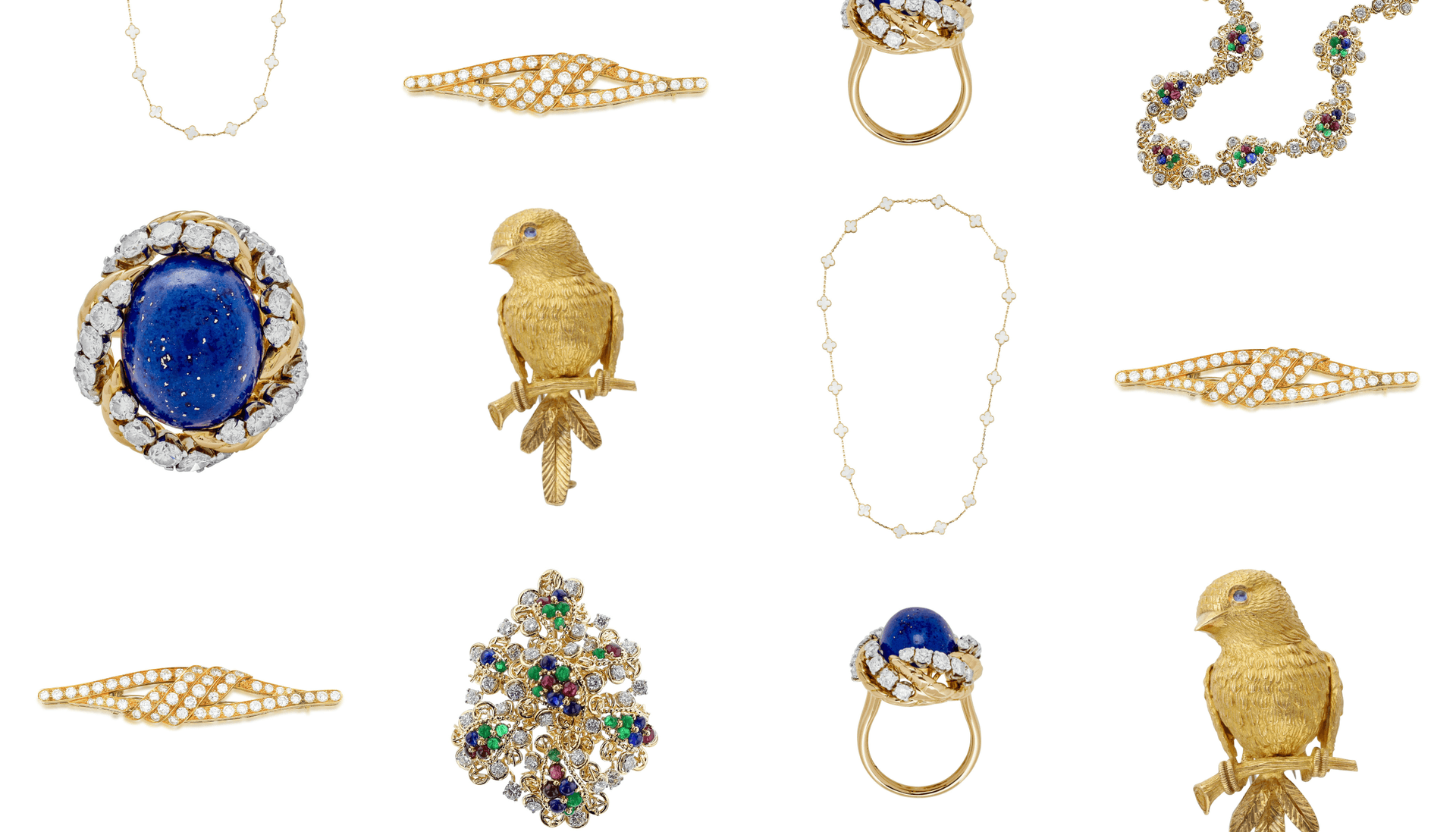
For bidders, the signal is clear: provenance is not a footnote here. In a market that still rewards rarity, the Tempelsman name may prove to be the force that turns a rare box into the sale’s most expensive object and the rest of the collection into evidence that diamond-world lineage still commands a premium.
This article was produced by Prism’s automated news system from verified source data, official records, and press releases, then run through automated quality and moderation checks before publishing. The system is built and supervised by the people who set the standards it runs under. Read our full AI policy.
Did this article answer your question?