Tiffany revives Jean Schlumberger’s Sixteen Stone as solitaire ring
Tiffany has turned Jean Schlumberger’s 1959 Sixteen Stone into a solitaire, blending heritage with bridal minimalism and a sharper self-purchase pitch.
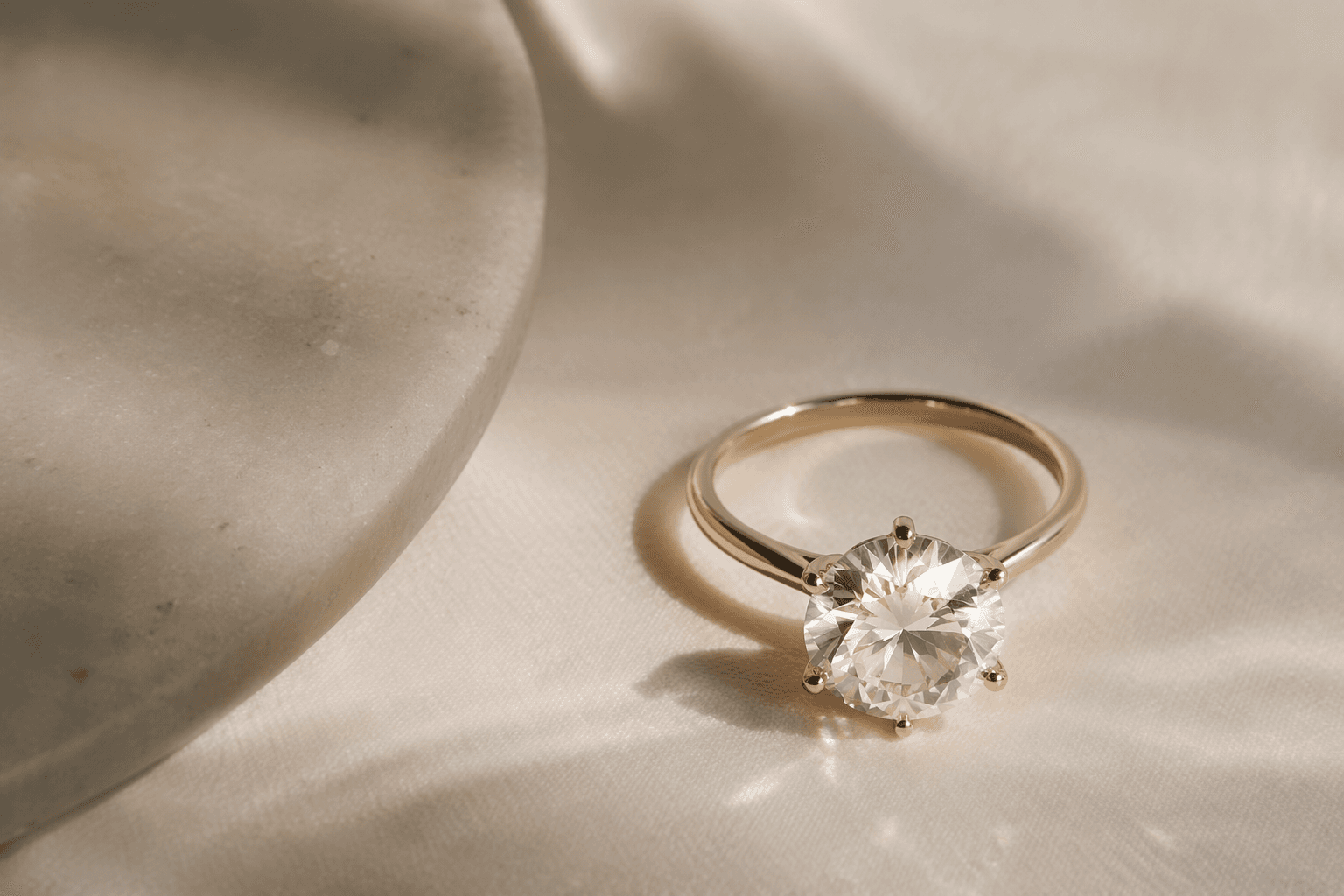
Tiffany has taken one of Jean Schlumberger’s most distinctive signatures and stripped it down to a solitaire, a move that says as much about the market as it does about the ring. The new Sixteen Stone solitaire keeps the designer’s language intact while recasting it for customers who want a piece that reads as both heirloom and engagement ring: unmistakably Tiffany, but less ornamental, more direct, and built around the diamond itself.
The original Sixteen Stone was introduced in 1959 as a wedding ring, and its cross-stitch motif came from Schlumberger’s family roots in textile manufacturing in Alsace, France. That origin still matters because the design has always felt engineered rather than merely decorated, with its X pattern and woven cadence giving jewelry the structure of fabric. Tiffany says the collection has been worn by generations of stylish individuals, and that history gives the solitaire version a built-in authority that many newer bridal designs have to manufacture from scratch.
What changes now is the balance of emphasis. Haute Living’s coverage describes the new ring as using platinum and gold with a diamond-forward center, which reframes Schlumberger’s motif for a customer base that increasingly wants recognizable design without the density of a full statement band. The new solitaire sits comfortably inside Tiffany’s engagement and bridal offering, but it also extends the brand’s high-jewelry storytelling into a format that can move between proposal, milestone purchase, and self-purchase with far less ceremony than a traditional ornate cocktail ring.
That positioning is the strategic signal. In a market where luxury diamond buyers are splitting their attention between clean solitaire silhouettes and heritage pieces with narrative value, Tiffany has chosen both. Rather than abandon Schlumberger’s decorative vocabulary, the house has distilled it into a ring that keeps the romance of the original while giving the center diamond more visual oxygen. It is a clear bet that the next desirable bridal piece will not be the most elaborate one, but the one that looks the most legible on a hand and the most meaningful in a jewelry box.
Natalie Portman fronts the campaign, adding a familiar face to a launch that is really about design continuity. Tiffany is not just reviving a motif; it is showing that archival jewelry can still be edited for modern desire when the metalwork is disciplined and the diamond is allowed to lead.
This article was produced by Prism’s automated news system from verified source data, official records, and press releases, then run through automated quality and moderation checks before publishing. The system is built and supervised by the people who set the standards it runs under. Read our full AI policy.
Did this article answer your question?