Understated everyday diamonds rise as summer’s key jewelry trend
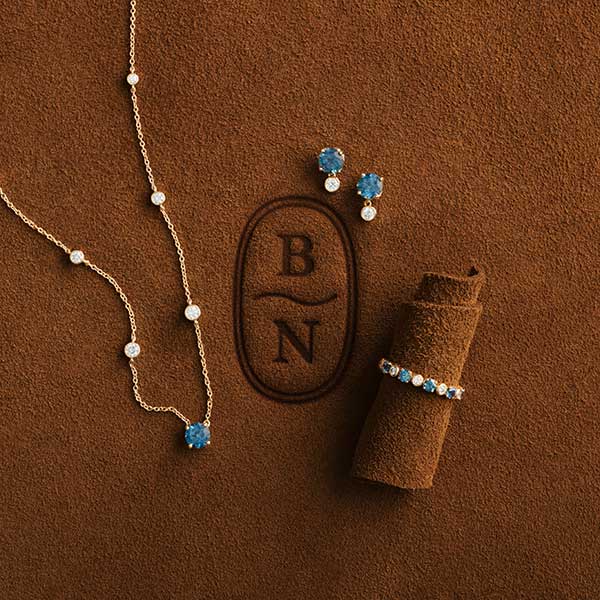
The smartest diamond buys this summer are the quiet ones: slim hoops, low-profile cuffs, and necklaces designed to be worn hard, not saved.
Everyday diamonds are the strongest buy in a cautious market
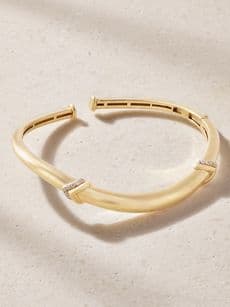
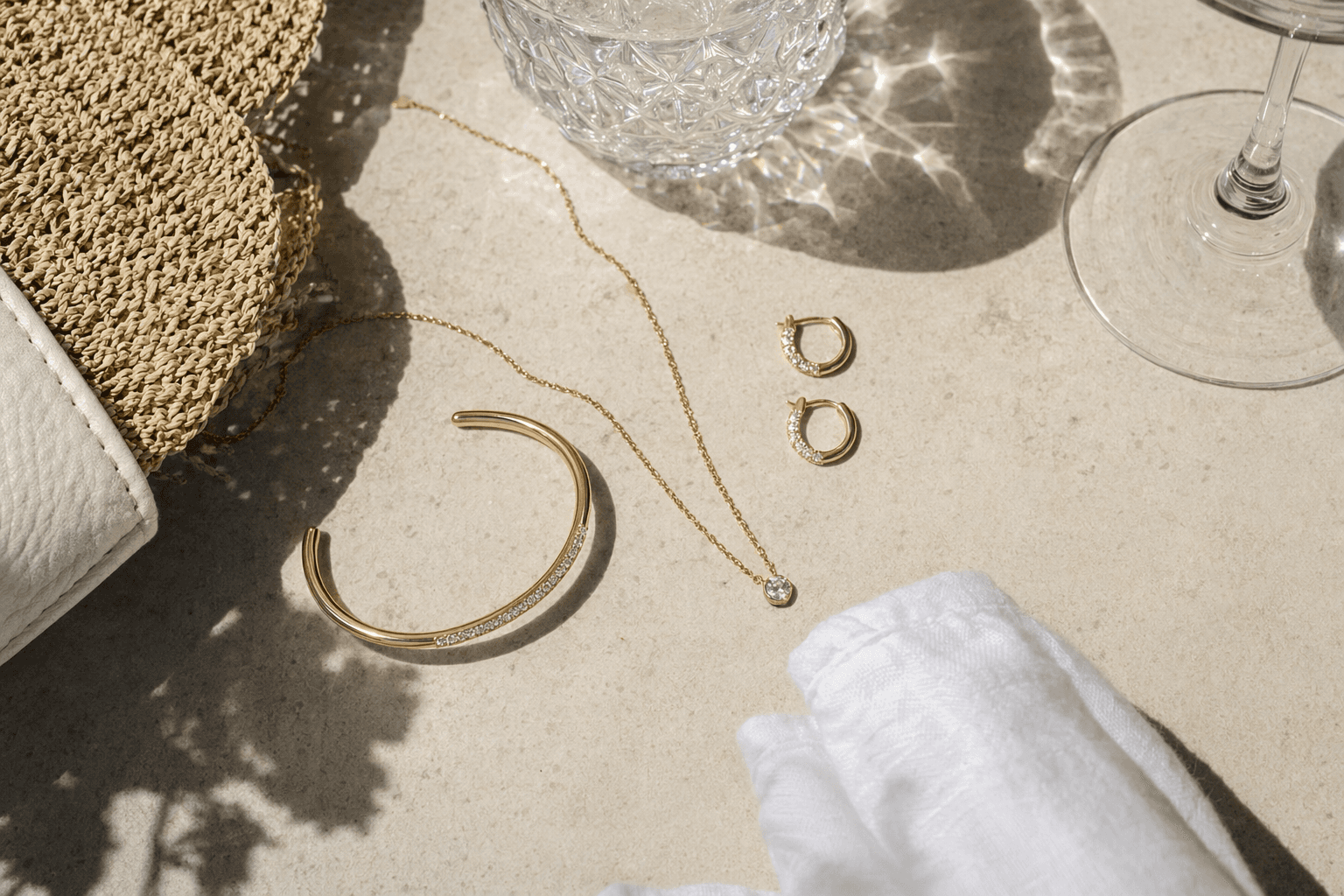
The most convincing diamond looks right now are the ones that do not wait for a gala. A slim cuff with a little pavé, a small hoop with just enough sparkle, a necklace that sits close to the collarbone, these are the pieces that make diamonds feel modern again because they are built for repetition, not occasion dressing.
That shift matters because the diamond business is still working through a softer market and a noisier consumer story. Global demand for diamond jewelry was estimated to have contracted 3 to 4 percent in 2024, and in the United States, which accounts for just over half of diamond jewelry sales, demand was down about 2 percent. De Beers said the second half of 2024 stabilized after a weaker first half, which tells you the category is not collapsing so much as searching for a more durable way to justify itself.
Why the quiet pieces are the ones with staying power
PORTER’s summer jewelry edit puts understated everyday diamonds alongside arm cuffs, monochrome dressing, and mixed-metal looks. That is not a coincidence. When fashion leans cleaner and more pragmatic, diamonds survive best when they can live inside a real wardrobe, not just float above one. The pieces most worth buying are the ones that work with a white shirt, a black tank, a linen dress, a blazer, or even a plain T-shirt.
Diamond-studded cuffs fit that brief especially well because they bring presence without the formality of a full bracelet stack. Dainty diamond hoops do the same for earrings, giving you movement and light without the weight or stiffness of chandelier styles. Diamond necklaces and restrained ring styles are the easiest to justify spending on because they disappear into daily wear, then reappear in the mirror with just enough flash to change the whole look.
The silhouettes that earn repeat wear
Not every diamond design has the same utility. The most wearable silhouettes tend to sit low on the body and avoid excess height, swing, or snagging. A cuff with a slim profile reads polished whether it is worn alone or paired with a watch. A small hoop with evenly set stones is easier to keep on from morning to night than a larger drop earring, especially if you move between work, errands, and dinner in one day.
Necklaces are most useful when they are calibrated to the neckline rather than fighting it. Shorter diamond necklaces, especially those that rest near the collarbone, work with monochrome dressing because they break up a single block of color without overwhelming it. Rings should feel similarly integrated. Low-profile settings are the ones you will actually wear while typing, traveling, and reaching into a bag, which is exactly why they become the pieces that earn their cost per wear.
Metal pairings that make diamonds feel modern
Mixed-metal dressing is one of the easiest ways to keep everyday diamonds from feeling precious in a stiff, old-fashioned way. A white diamond against yellow gold has a warmth that feels casual rather than ceremonial. White gold or platinum settings sharpen a diamond’s edge and work well when the rest of the look is streamlined. Rose gold can soften a small diamond piece, but it works best when the design is restrained and the stone setting is crisp.
Monochrome dressing gives diamonds a different job. Against a head-to-toe neutral palette, a modest diamond piece acts like punctuation. The goal is not to overpower the outfit but to make the outfit look finished. That is why these styles are more convincing than anything that only makes sense under evening lighting. Their real luxury is usefulness.
What the market is telling buyers
The move toward everyday diamonds is also a response to a market under pressure from lab-grown competition and price pressure. De Beers estimated that lab-grown diamonds had a $7 billion impact on the U.S. natural-diamond market, including $4.5 billion in lab-grown sales. At the same time, its 2024 presentation put natural diamond demand at $44 billion in 2018 and $43 billion in 2023, with a projection of $54 billion by 2030. Those numbers show a category trying to regain momentum while rethinking how it speaks to consumers.
There is also a reminder that the market is uneven by region. De Beers said global natural diamond jewelry demand reached $87 billion in 2022, while India’s demand grew 20 percent in 2021 and 15 percent in 2022, and now accounts for 11 percent of global demand. That kind of growth matters because it shows the category still has appetite, but not everywhere and not automatically. Jewelry that feels wearable, not ceremonial, is better positioned to meet that appetite.
Provenance is now part of the design language
The provenance conversation is becoming part of the styling conversation, whether brands say so plainly or not. De Beers launched ORIGIN as a branded polished diamond offering to help retailers tell the individual stories of natural diamonds sourced by De Beers Group, and later introduced Ombré Desert Diamonds as a jewelry beacon in 2025. Those are branding moves, but they also reflect a broader market truth: buyers want beauty that can explain itself.
That is where vague claims should be treated carefully. A stone story is only as useful as the documentation behind it, and a polished marketing phrase is not the same thing as clear origin information. If a diamond is being sold on sustainability, traceability, or heritage, those words should point to something concrete, not just decorate a product page.
The bottom line for buying well
The best diamond pieces this summer are not the loudest ones. They are the cuffs that sit flat, the hoops that never feel fussy, the necklaces that layer cleanly, and the rings that do not need a special dress code to make sense. In a market still looking for stability, that practicality is not a compromise. It is the new standard for what makes diamond jewelry worth keeping.
This article was produced by Prism’s automated news system from verified source data, official records, and press releases, then run through automated quality and moderation checks before publishing. The system is built and supervised by the people who set the standards it runs under. Read our full AI policy.
Did this article answer your question?