U.S. Court Rulings on Tariffs Spark Refund Scramble for Jewelry Importers
A March 4 Court of International Trade ruling is forcing Customs to process refunds, sending jewelry importers scrambling to recover duties paid on struck-down emergency tariffs.
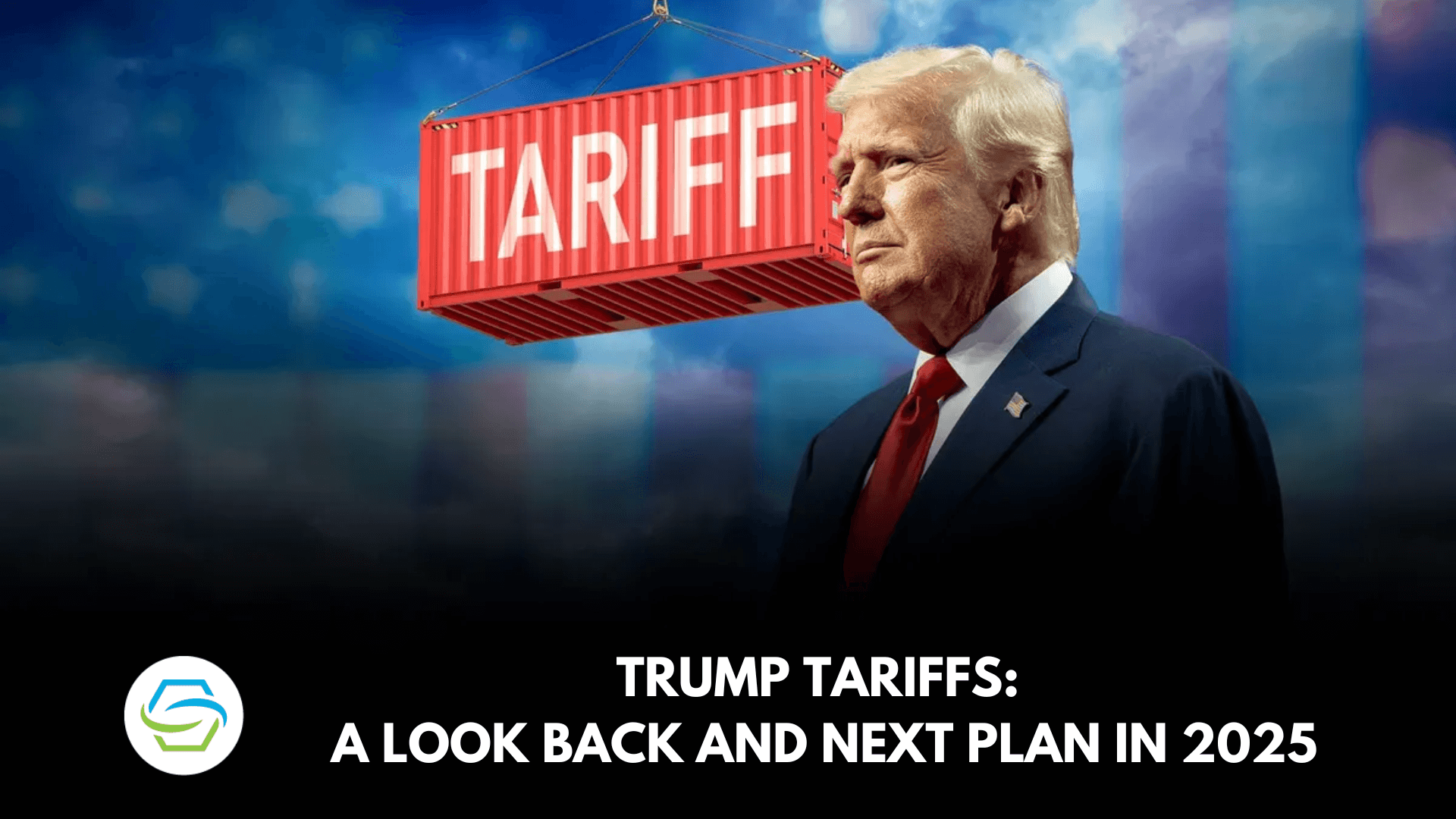
A federal court order issued March 4 is reshaping the economics of imported diamond jewelry overnight, as the Court of International Trade struck down certain emergency tariffs and triggered an urgent refund process that has importers, retailers, and consumers alike racing to recover duties already paid to U.S. Customs and Border Protection.
The ruling landed with particular force on jewelry supply chains, where tariff costs on diamond pieces sourced overseas had been quietly absorbed, passed to retailers, or folded into consumer prices over recent months. With those charges now judicially invalidated, every link in that chain faces the same fraught question: who gets the money back, and how fast?
For independent jewelry importers, the March 4 order is equal parts relief and logistical headache. Customs duty refunds do not flow automatically. Importers must file protests and entry amendments, often with documentation that stretches back to the original shipment date, to reclaim payments the court has now ruled were improperly collected. For a small importer bringing in diamond pavé bangles or solitaire settings from overseas cutting centers, that paperwork burden can be substantial relative to the refund at stake.
The scramble also surfaces a thornier question about who is actually owed the money. When an importer passed tariff costs downstream to a retailer through higher wholesale pricing, and that retailer passed them again to a consumer through a marked-up ticket price, the legal obligation to refund sits with the importer of record while the economic harm was distributed far wider. Retailers who adjusted their pricing to account for the tariffs now face pressure to revisit those margins, and consumers who paid elevated prices for diamond rings or pendants during the tariff period have little formal mechanism to recover the difference.

The court's intervention reflects broader judicial skepticism toward the executive branch's use of emergency trade authorities, and the jewelry industry is not the only sector caught in the resulting refund scramble. But diamond jewelry, with its global supply lines running from cutting centers in Surat and Antwerp through wholesalers to U.S. retail floors, is acutely exposed to tariff volatility at multiple nodes.
What the March 4 ruling does not resolve is forward pricing. Until the tariff landscape stabilizes through either appellate review or new legislative action, importers face genuine uncertainty about what duties, if any, apply to incoming shipments. That uncertainty, as much as the refund scramble itself, is the detail that will shape buying decisions and inventory planning for jewelers through the rest of 2026.
This article was produced by Prism’s automated news system from verified source data, official records, and press releases, then run through automated quality and moderation checks before publishing. The system is built and supervised by the people who set the standards it runs under. Read our full AI policy.
Did this article answer your question?