U.S. diamond jewelry sales slip as shoppers trade down to lab-grown pieces
May jewelry sales rose 1.8% even as unit sales fell, with the average ticket up 19.6% as shoppers shifted toward higher-priced pieces and lab-grown diamonds.
U.S. jewelry sales in May rose 1.8% year over year, but the real story was the split underneath that number: unit sales fell while the average purchase price climbed 19.6%. Tenoris’ data points to a market being carried by pricier baskets, not broader demand, with shoppers buying fewer pieces and spending more on each one.
That premium tilt was clearest in gold. Gold jewelry posted the strongest revenue growth in May, up 4.7%, even as it saw the largest decline in unit volume. Year to date, revenue at U.S. specialty jewelers is up 7.6%, reinforcing the same pattern Tenoris has been tracking for months: higher-value purchases are doing the heavy lifting while transaction counts soften.
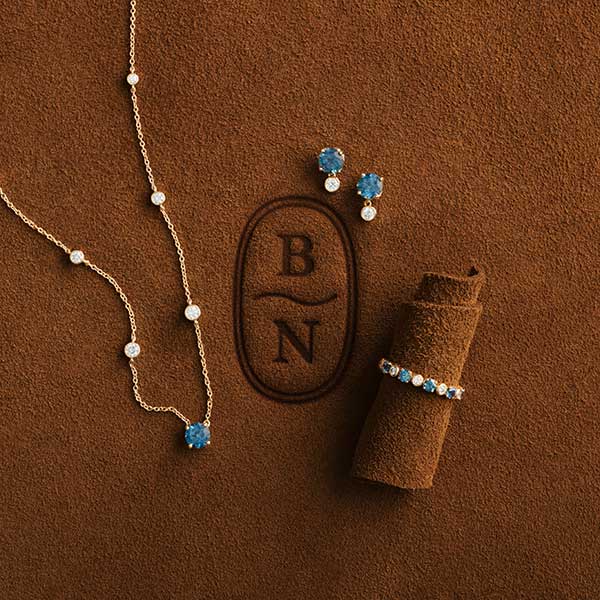
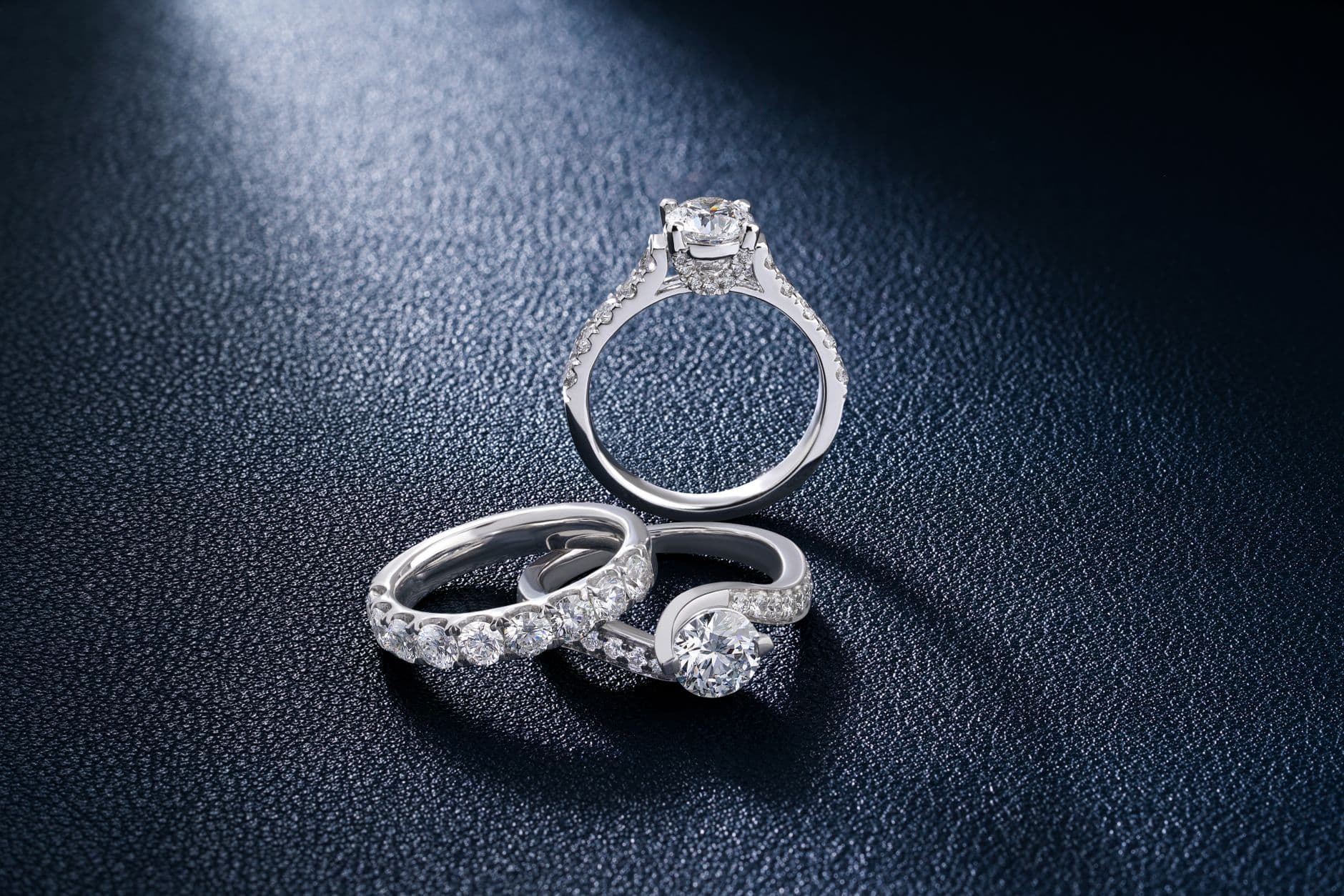
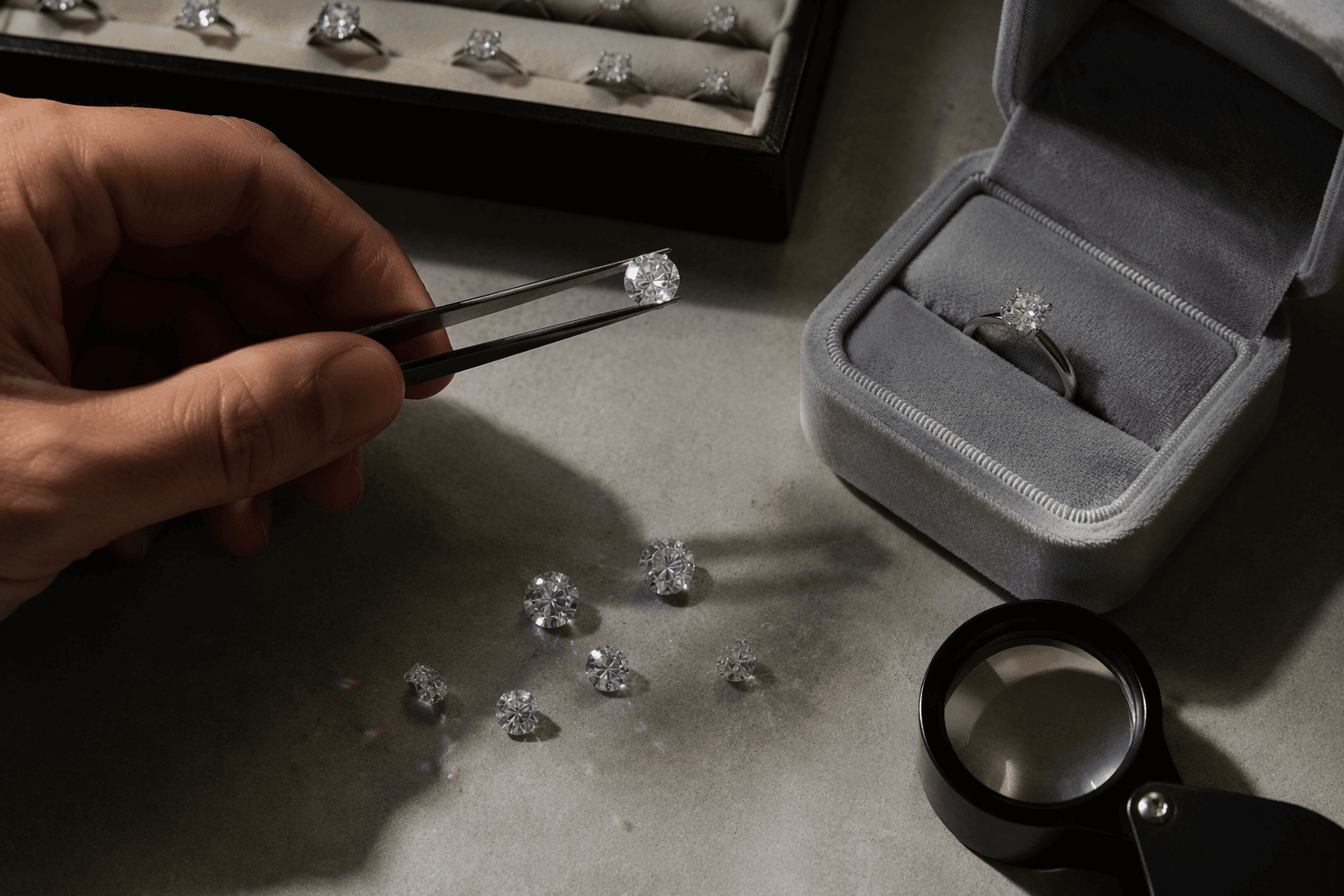
At the lower end, Edahn Golan said consumers looking for cheaper entry points increasingly moved toward silver jewelry and jewelry set with lab-grown diamonds. That helps explain why the diamond category is splitting so sharply by price. Tenoris and JCK have said lab-grown stones dominate many price points below about $2,500, while natural diamonds are winning sales above that threshold. Tenoris has also described the United States as the main market for lab-grown diamond jewelry, a sign that the category is no longer a niche experiment but a central force in the mass-market mix.
The timing matters because Mother’s Day remained a major buying occasion. The National Retail Federation said 45% of consumers planned to purchase jewelry for Mother’s Day 2026, and National Jeweler reported NRF projected jewelry spending for the holiday to top $7 billion. Tenoris has previously found that finished jewelry sales often peak in the week before Mother’s Day, when higher-ticket gifting can lift revenue even if unit sales soften. For jewelers, that means the challenge is no longer simply selling more pieces. It is deciding how much inventory to keep at entry price points, where lab-grown is crowding the case, and how aggressively to protect margins as natural diamonds continue to outperform higher in the market.
This article was produced by Prism’s automated news system from verified source data, official records, and press releases, then run through automated quality and moderation checks before publishing. The system is built and supervised by the people who set the standards it runs under. Read our full AI policy.
Did this article answer your question?