World Diamond Council urges unity, broader conflict-diamond definition at KP meeting
Ronnie VanderLinden pushed the trade to align on natural diamonds as the KP weighed a broader conflict definition that could rewrite disclosure rules.
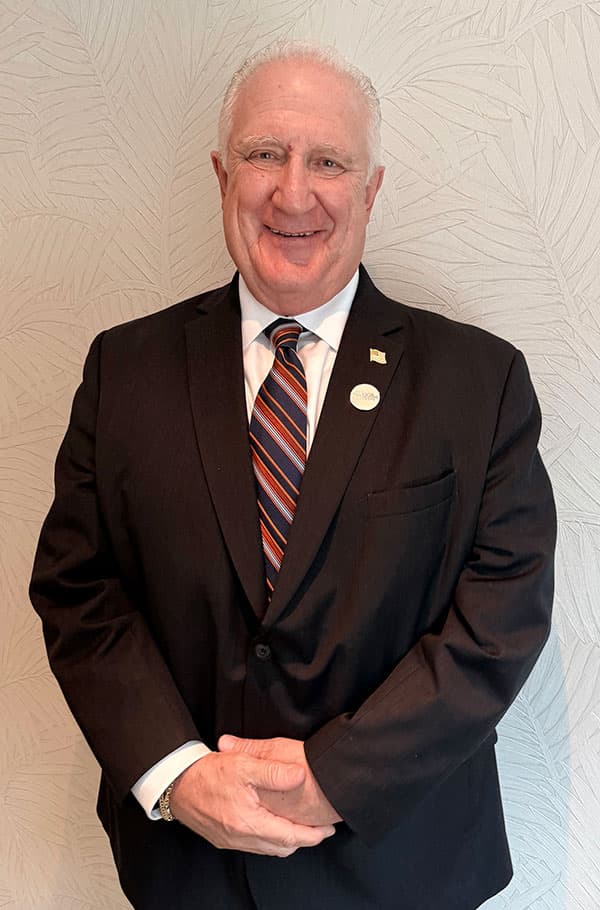
The Kimberley Process still carries a basic accountability gap: its 2003 definition of conflict diamonds tracks rebel-financed rough stones, but not forced labor, child labor, systemic violence, or broader human rights abuses. That narrow line was back in focus in Mumbai, where the World Diamond Council’s new president, Ronnie VanderLinden, used the Kimberley Process Intersessional Meeting to press the trade to speak with one voice on natural diamonds, origin, and transparency.
The meeting ran May 11-14, 2026, at the Jio World Convention Centre in Mumbai under India’s chairship. The Kimberley Process describes itself as a tripartite forum of governments, industry, and civil society, and says it now has 60 participants representing 86 countries, with the European Union and its 27 member states counted as one participant. It says those members represent nearly all rough diamond production worldwide, which is why any change to its rules still carries real weight for miners, exporters, cutters, brands, and consumers.
VanderLinden’s call lands at a sensitive moment. The World Diamond Council says work on a modernized conflict-diamond definition has already taken more than three years of research and negotiations, a sign that the problem is not simply semantics. A broader definition would move the conversation from a narrow wartime financing test to a tougher discussion about how rough diamonds are sourced, documented, and sold. For retailers and brands that sell natural diamonds on ethical reassurance, that is the difference between a familiar certificate and a more demanding standard of disclosure.
The gap matters because the Kimberley Process remains the main international certification system for rough diamonds. The United States Department of State defines conflict diamonds as rough diamonds sold by rebel groups or their allies to fund conflict against legitimate governments, a definition critics have long said leaves out abuses that consumers increasingly expect the trade to confront. If the process does not widen that frame, the industry risks continuing to market “responsible” diamonds without addressing the harms most likely to worry buyers who follow provenance closely.
The Mumbai meeting also surfaced a practical strain inside the system itself: a funding challenge at the Kimberley Process Secretariat. VanderLinden said delegates had dealt with that issue as the meeting closed, underscoring that the machinery meant to police the trade depends on institutional support, including Canada’s backing for the Secretariat. Around the table, the Civil Society Coalition continued to serve as the observer umbrella for civil society, alongside observers such as the African Diamond Producers Association. The question now is whether the trade’s call for unity becomes enforceable transparency, or just another polished appeal to consensus.
This article was produced by Prism’s automated news system from verified source data, official records, and press releases, then run through automated quality and moderation checks before publishing. The system is built and supervised by the people who set the standards it runs under. Read our full AI policy.
Did this article answer your question?