De Beers report: engagement rings lose grip as lab-grown sales rise
Bridal now makes up just 25% of U.S. natural diamond demand, while lab-grown stones have seized 58% of engagement-ring sales.

Engagement rings are no longer the sole engine of the diamond business, and that shift carries a clear message for shoppers: the value pitch is changing. De Beers’ latest U.S. consumer study shows bridal purchases now account for just 25% of natural diamond demand, while non-bridal occasions make up the other three-quarters, a reversal that puts self-purchase, gifting and everyday luxury at the center of the market.
The company’s findings, drawn from responses from 18,500 women ages 18 to 74, show that natural diamond jewelry still sits at the top of the desirability ladder. Women surveyed ranked it ahead of synthetic lab-grown diamonds, other gemstones and plain gold jewelry as a luxury gift. But the spending data tells a more complicated story: the average price of natural diamond jewelry rose to $4,063 per piece in 2025 from $3,242 in 2023, while average total carat weight climbed to 1.86 carats from 1.65 carats. That points to a market moving toward larger stones and, at the high end, stronger pricing power.
Gen Z is helping drive that demand, but not in the way bridal marketers once imagined. The generation now accounts for 23% of natural diamond demand value even though it makes up 18% of the population, and it spends an average of $4,080 per natural diamond purchase, nearly double the $2,250 average for baby boomers. In other words, younger buyers are still willing to spend, but they are not necessarily doing so through a traditional engagement-ring purchase.
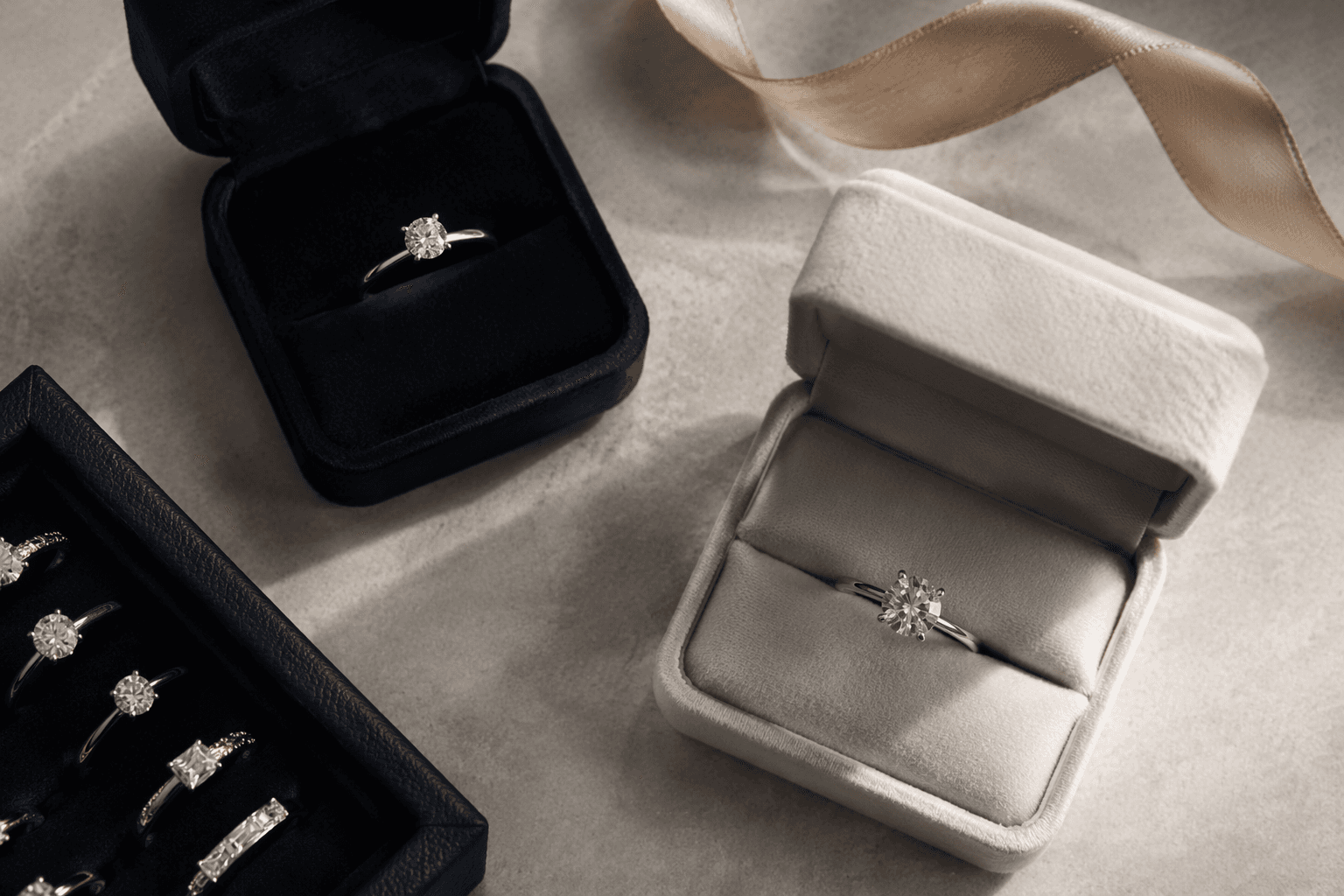
That trend is already visible in engagement-ring sales, where lab-grown stones have taken the lead. Edahn Golan said at a JCK show presentation in Las Vegas that lab-grown diamonds grew from about 10% of engagement-ring sales in 2020 to 58% in 2025. His reading of the market was blunt: couples increasingly shop together rather than through the older groom-led model, which reduces the pressure to buy the most expensive stone. Natural diamonds, he said, are holding up better at higher price points while the low end is being captured by lab-grown stones.
De Beers is trying to answer that shift with fresh branding. On April 13, 2026, it expanded its Desert Diamonds campaign into bridal, calling it the company’s first new category beacon in more than a decade and its largest category marketing investment in more than ten years. The move follows a wider push toward personal milestones, self-purchase and color variation in natural stones. That strategy matters beyond bridal counters: De Beers’ 2022 dashboard said U.S. natural diamond jewelry sales rose about 34% to $47 billion in 2021, helping global demand hit an all-time high of $87 billion. The new question is whether natural diamonds can keep that premium position when engagement rings are no longer carrying the narrative alone.
This article was produced by Prism’s automated news system from verified source data, official records, and press releases, then run through automated quality and moderation checks before publishing. The system is built and supervised by the people who set the standards it runs under. Read our full AI policy.
Know something we missed? Have a correction or additional information?
Submit a Tip