Memorial Day sales put engagement rings under the $5,200 average
Memorial Day markdowns are making well-cut, well-made engagement rings feel attainable, with sharp value under the $5,200 average and far more room for taste than compromise.
The budget reality check
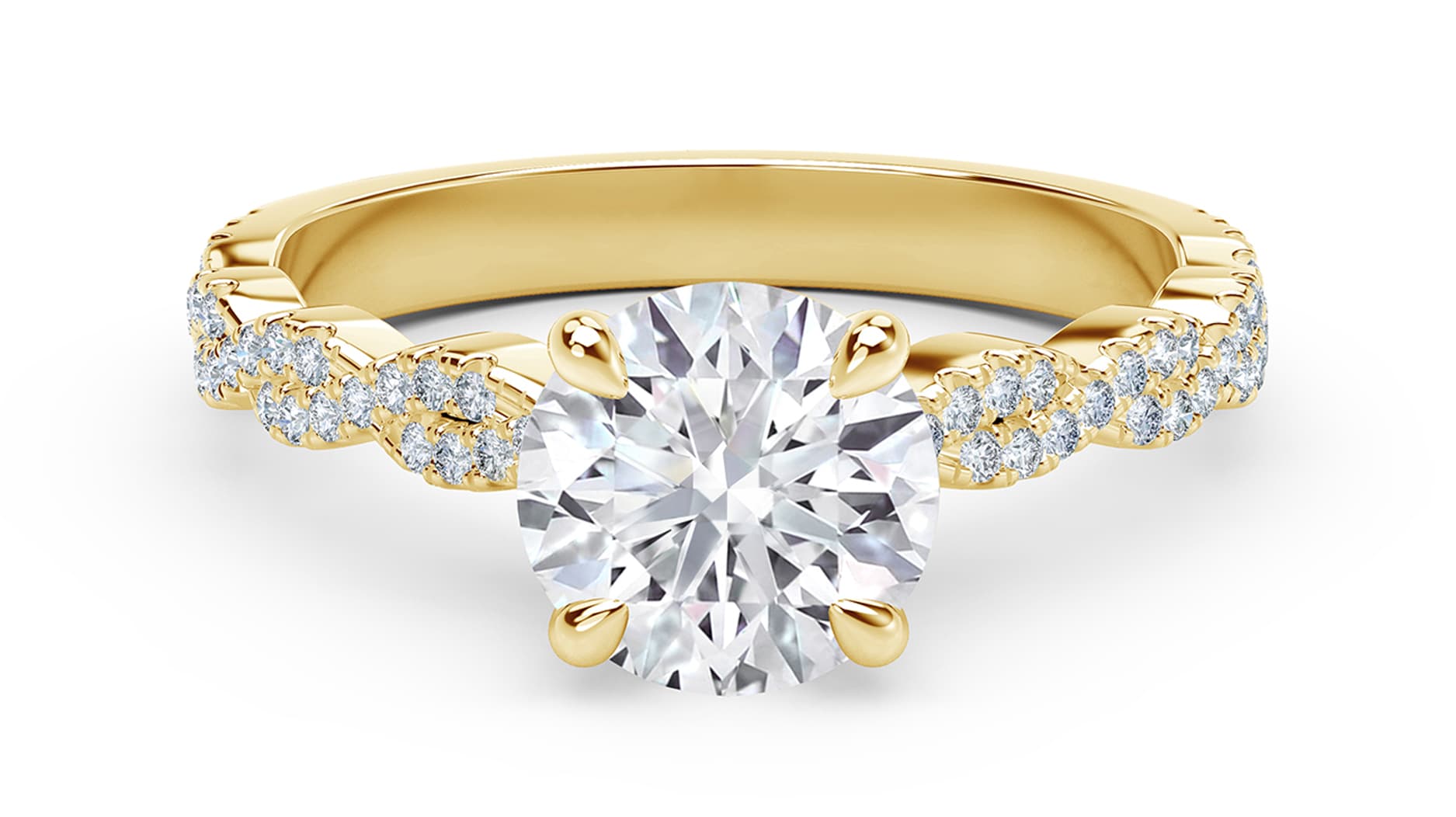
Under the $5,200 average, an engagement ring does not have to look restrained or generic. The smartest Memorial Day buys are the ones that treat budget as a design brief: preserve the silhouette, protect the cut, and let the flash sale do the heavy lifting on price.
Why $5,200 no longer feels fixed
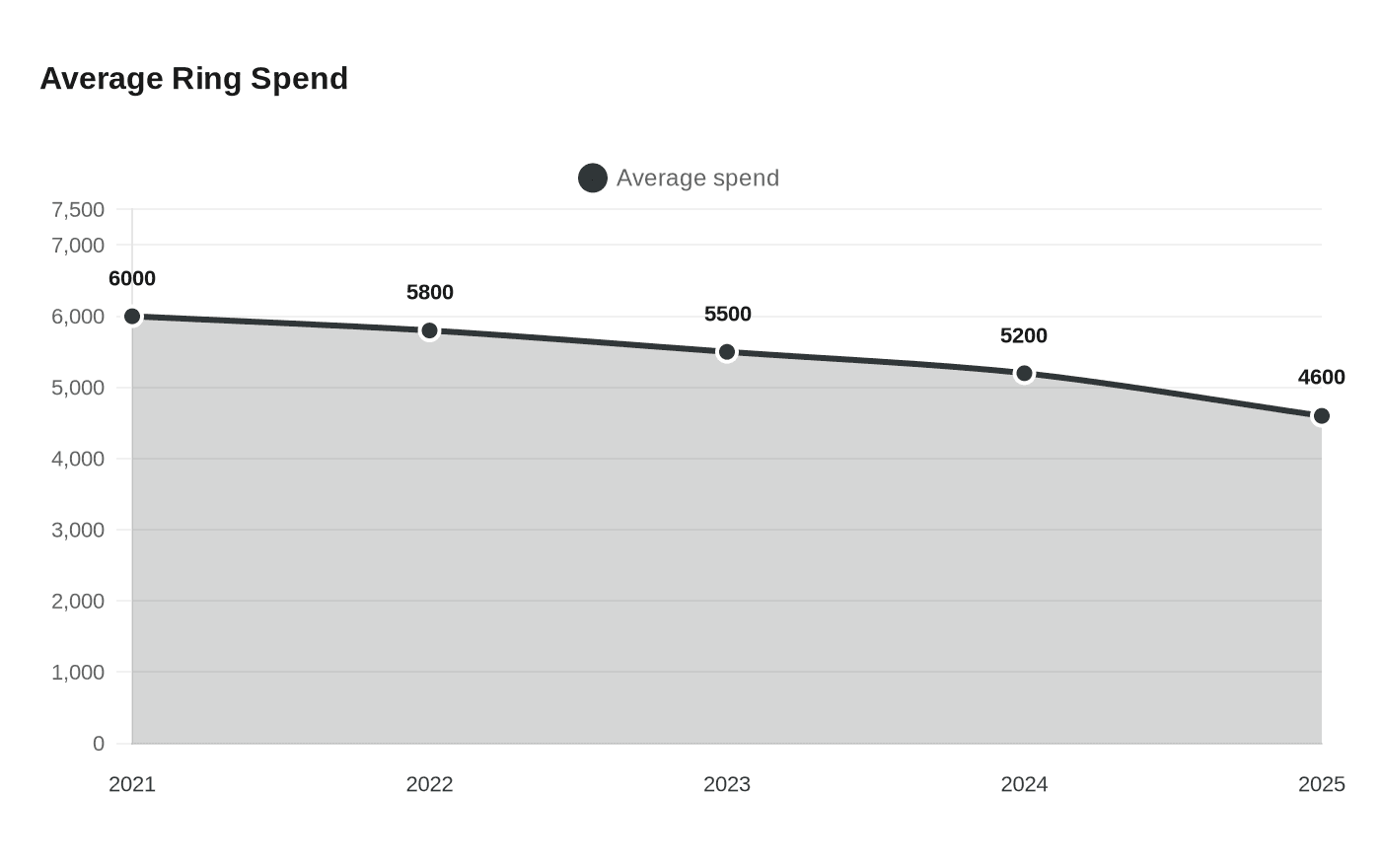
The Knot’s 2024 Jewelry & Engagement Study places the average engagement-ring spend at $5,200, but that number sits inside a longer slide from $6,000 in 2021 to $5,800 in 2022 and $5,500 in 2023. A separate 2025 roundup put the average at $4,600, which suggests the market is not just trimming excess, it is redefining what counts as a serious ring. The message for buyers is clear: the center stone may be smaller than the old fantasy, but the finished piece can still feel elevated if the proportions are right.
Lab-grown has become the new center-stone default
The clearest shift in bridal shopping is the move toward lab-grown diamonds. The Knot’s 2026 Real Weddings Study says lab-grown center stones accounted for 61% of engagement-ring purchases among couples married in 2025, up from 52% the year before and 239% since 2020. That change is not only about ethics or novelty, it is about scale: lab-grown stones make it possible to buy visibly larger or cleaner-looking diamonds without forcing the rest of the ring into austerity.
Blue Nile: ready-to-ship polish
Blue Nile’s appeal is speed without looking rushed. Its ready-to-ship engagement rings come with fast, free shipping and a free ring sizer, which is exactly the sort of convenience that matters when a buyer wants to move from browsing to proposing without a long custom timeline. One preset example, a 1-carat certified diamond petite solitaire in 14K white gold for $3,380, shows how a classic shape can stay well below the average while still reading as refined and finished.
Quince: pared-back pricing with real design ambition
Quince is leaning hard into the idea that a lab-grown diamond should not carry specialty-retail markup just because it is presented in a clean, modern setting. The brand says its engagement rings are priced well below specialty jewelry retail, with styles starting around $400, which immediately changes the emotional math of ring shopping. At the higher end, a lab-grown diamond oval pave cathedral engagement ring at $4,700 shows that Quince can still deliver a more elaborate profile, one that gains presence from the cathedral shoulders and pavé, not from excess metal or bloated pricing.
Brilliant Earth: ethics as the luxury pitch
Brilliant Earth is staking its claim on responsible sourcing and sustainability, and that positioning matters in a market where many buyers now want the romance of a ring to align with their values. The company calls itself a global leader in ethically sourced fine jewelry, and rather than leaning on deep discounts, it typically uses holiday events like Memorial Day to offer gifts with purchase. That is a subtler strategy, but it suits shoppers who see the purchase as a long-term heirloom rather than a pure bargain hunt.
Ritani: discount-driven, but still craftsmanship-minded
Ritani’s Memorial Day sale is more aggressive, with 30% off sitewide and up to 40% off select styles. The brand also says its rings are handcrafted in its New York factory, which gives the markdowns more credibility than a generic clearance tag would. In practical terms, Ritani is one of the clearest examples of where holiday pricing can translate into real value, especially for buyers who want customization and a made-here narrative without paying a prestige premium for it.
Jared: customization for couples who want guidance
Jared is selling not just rings, but reassurance. Its customization services and expert guidance online or in-store matter because engagement-ring shopping can feel overwhelming once the buyer moves beyond the display case and into decisions about setting height, diamond shape, and metal color. For couples who want a familiar retailer, a human point of view, and the ability to fine-tune the ring without disappearing into a fully bespoke process, that combination can be more useful than a steep discount.
Zales: broad availability and a practical discount
Zales is using the blunt tools of mass-market bridal retail: sales, offers on engagement rings, and a 10% military discount. That kind of promotion will not seduce design obsessives the way a beautifully made independent ring might, but it does matter for couples who need breadth, immediate availability, and a clear entry point under budget. The best value here comes when the buyer uses the sale price to upgrade the visible details, not simply to spend less.
Natural or lab-grown: where value actually shifts
The real tradeoff is not just origin, it is allocation. Natural diamonds still carry emotional and resale mystique for some buyers, but the current market makes lab-grown the more efficient route if the goal is size, clarity, and a contemporary feel within a set budget. The smartest shoppers are not asking which option is universally better, they are asking which one leaves room in the budget for stronger craftsmanship around the stone.
Setting style: solitaire, halo, and the metal conversation
A solitaire remains the most disciplined way to make a diamond look elegant, because it lets the stone’s proportions speak without visual clutter. A halo can deliver more apparent size, but it also changes the character of the ring, adding sparkle and volume that may suit some hands and overwhelm others. Metal choice matters too: 14K white gold often keeps costs lower than platinum, while yellow gold can make a stone look warmer and more luminous, especially in a pared-down setting; a bezel can feel modern and protective, while prongs keep more of the diamond exposed to light.
Carat weight versus cut quality
The cheapest mistake is chasing carat weight and forgetting cut. A well-cut 1-carat diamond, even in a simple setting, will usually look more alive than a heavier stone with dull proportions, and the Blue Nile example at $3,380 proves how effective that formula can be. If the budget is tight, cut quality is the place to protect, because sparkle is what keeps a ring from reading as merely expensive instead of truly beautiful.
How to stay under budget without looking budget
The best Memorial Day buys share the same discipline: choose a setting that flatters the stone, use lab-grown if the size-to-price equation matters most, and save on retail overhead rather than on visible craftsmanship. Ready-to-ship rings and holiday promotions can unlock serious value, but the ring still has to be well proportioned, well finished, and intentional in silhouette. Under the $5,200 average, that is where the real luxury sits: not in overspending, but in choosing the details that keep the ring from ever feeling like a compromise.
This article was produced by Prism’s automated news system from verified source data, official records, and press releases, then run through automated quality and moderation checks before publishing. The system is built and supervised by the people who set the standards it runs under. Read our full AI policy.
Know something we missed? Have a correction or additional information?
Submit a Tip