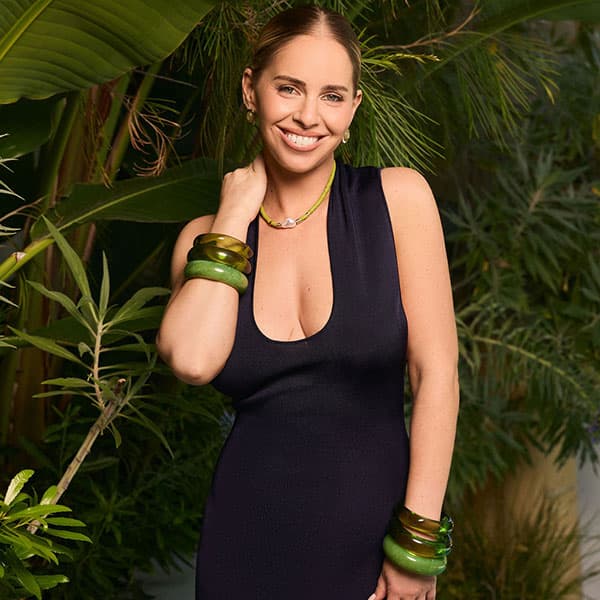
Chris Evert’s tennis bracelet legacy gets a modern update
A bracelet that fell mid-match in 1978 became a category name, and Chris Evert is now reclaiming its story through a modern collaboration and Netflix spotlight.
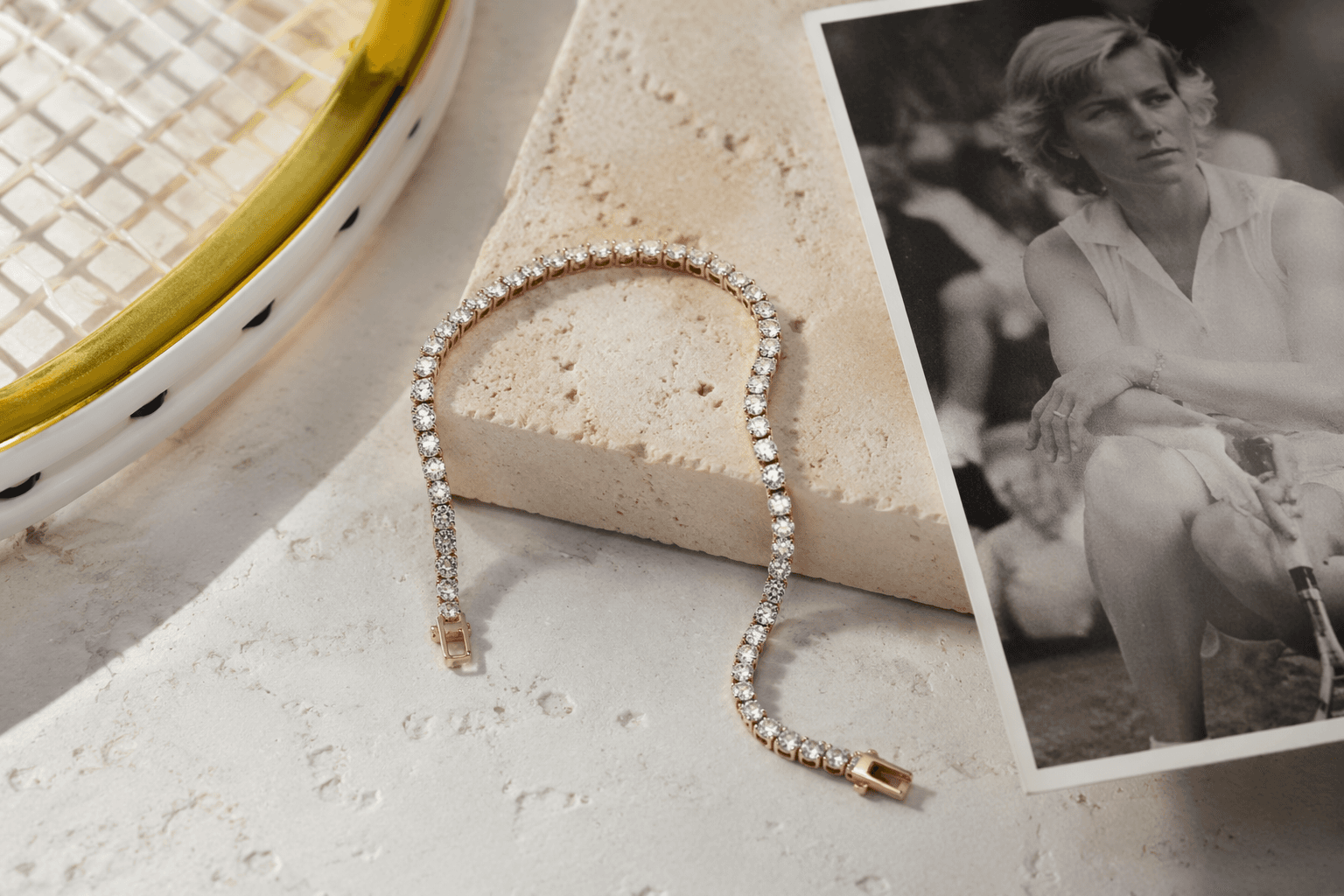
Chris Evert’s bracelet did not just slip off her wrist at the 1978 U.S. Open. It slipped into jewelry history. Nearly five decades later, the diamond line bracelet still carries the glamour of that courtside pause, but it now reads as something more practical and more personal: a piece made to live on the wrist, not wait in a box.
From a courtside accident to a category name
The scene that made the tennis bracelet famous took place during the 1978 U.S. Open, held from August 28 to September 10, 1978, at the newly opened USTA National Tennis Center in Flushing Meadows, New York. Evert won the women’s singles title that year, defeating Pam Shriver, 7-5, 6-4, and the victory marked her fourth consecutive U.S. Open title and her eighth major singles title overall. During that tournament, her diamond bracelet fell from her wrist and she paused play to retrieve it, a moment that became the most repeated origin story for the name “tennis bracelet.”
Before the nickname took hold, the same silhouette circulated under other names, including eternity bracelet, line bracelet and block bracelet. Those earlier terms make the design read as what it is at its core: a continuous, closely set line of stones that wraps the wrist with a cleaner, more architectural feel than a charm bracelet or a heavy bangle. The tennis name added drama, but the design itself was already built for movement.
Why the style still works on an actual wrist
The best tennis bracelets endure because they are not precious in the fragile sense. They are precious in the structural sense. A good one needs flexibility, even weight distribution and a clasp that stays put, because the whole point is to let the bracelet move naturally with the hand instead of fighting it.
Oscar Heyman has built that logic into its work since 1912, and the company emphasizes its New York City craftsmanship as part of its identity. Its pieces are made in-house, with designers, lapidaries, setters, engravers, jewelers and polishers all under one roof, and it underscores signed-and-numbered jewelry as a marker of quality and authenticity. For a tennis bracelet, that matters: the setting must be precise enough to keep the stones aligned, but supple enough to let the line sit fluidly against the skin.
What gives the classic its modern power is that it never needs to announce itself loudly. A well-made diamond line bracelet can disappear into a shirt cuff, flash beside a watch, or stack comfortably with other bracelets without losing its composure. That low-key versatility is exactly why the style has remained in the rotation long after the original courtside story became legend.
Chris Evert is now telling the story in her own voice
The new Netflix documentary *Chris & Martina: The Final Set* returns Evert and Martina Navratilova to the center of the conversation, framing them as two players whose decades-long dominance of women’s tennis was matched by a friendship that endured even cancer. In that context, the bracelet story feels less like a quirky footnote and more like part of the broader public memory around Evert herself.
Evert has also moved to reclaim the jewelry narrative directly through a collaboration with Monica Rich Kosann, centering on her original diamond line bracelet and the lore that grew around it. She wanted a serious voice in the tennis bracelet category and wanted to share her side of the story, which matters because the bracelet has become bigger than a single on-court mishap. It is now a brand, a memory and, for many wearers, a signature piece that can be as personal as it is polished.
JCK jokingly refers to Evert as the “godmother of the tennis bracelet,” and the phrase fits because her name is now inseparable from the category itself. The bracelet’s power comes from that unusual blend of accident and authorship: a piece of jewelry that became famous in motion, then stayed relevant because it could be worn again and again.
What to look for in a modern tennis bracelet
The current appeal of the tennis bracelet lies in the way it bridges old glamour and daily life. The original story was pure spectacle, a diamond bracelet on a world stage, but the contemporary version is about ease, durability and personal styling. Whether the stones are set in a heritage house like Oscar Heyman’s or reimagined through a collaboration like Monica Rich Kosann’s, the design should still feel like something that belongs on your wrist every day.
A strong version usually has a few hallmarks:
- A flexible construction that allows the line of stones to follow the wrist comfortably
- Careful stone matching so the bracelet reads as one continuous ribbon rather than a collection of separate links
- A secure clasp, because a bracelet meant for daily wear has to stay in place
- Clear craftsmanship signals, such as signed-and-numbered pieces from makers that treat the bracelet as a long-term object, not a trend item
That combination explains why the tennis bracelet keeps winning. It carries the romance of Chris Evert’s 1978 U.S. Open moment, but it survives in the present because it behaves like modern jewelry should: elegant, adaptable and made to be worn through ordinary days as confidently as extraordinary ones.
This article was produced by Prism’s automated news system from verified source data, official records, and press releases, then run through automated quality and moderation checks before publishing. The system is built and supervised by the people who set the standards it runs under. Read our full AI policy.
Know something we missed? Have a correction or additional information?
Submit a Tip