Durable Metals and Finishes for Everyday Jewelry: Stainless Steel, Titanium
Choose metals that match your life: stainless steel for affordable, rust-resistant everyday wear; titanium for strength, lightness and hypoallergenic comfort.
1. Titanium
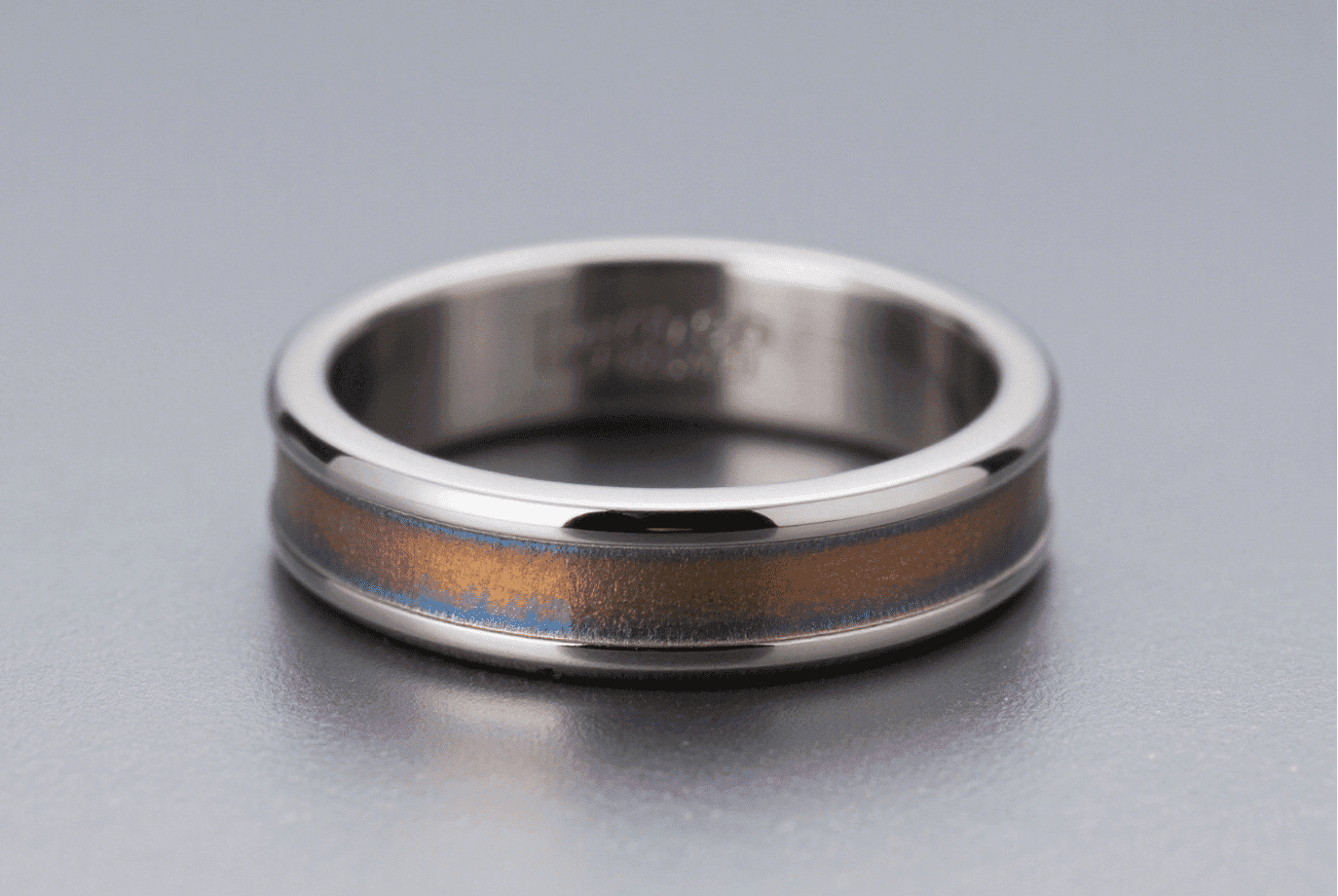
Titanium is “a modern metal that has gained popularity in custom jewelry for its strength and lightweight properties.” It’s described as much stronger than gold and silver yet surprisingly light, which makes titanium ideal for pieces you’ll forget you’re wearing during long days or travel. Windycitydiamonds also highlights titanium’s corrosion resistance and hypoallergenic profile, practical for active lifestyles and anyone who wants a sleek, minimalist aesthetic that won’t react to sweat. If you prize durability without bulk, titanium is a clear everyday contender.
2. Stainless steel
Stainless steel is presented as “an affordable and durable metal that has found its way into the world of custom jewelry.” Its strength and resistance to tarnish and rust make it an “ideal choice for everyday wear,” especially for necklaces, bracelets and hoops that see showering, pool time and daily abrasion. Windycitydiamonds notes stainless steel’s modern appearance and budget-friendly endurance, while Evry Jewels markets stainless-steel bases as the backbone of its waterproof collections, an explicit commercial claim that frames stainless steel as the mass-market everyday metal.
3. 316L (fragment noted)
An evergreen fragment in the material notes reads only “316L s.” The excerpt is incomplete, but the fragment signals that a specific grade of stainless steel (commonly referenced in jewelry trade discussions) was intended to be part of the durability ranking. Because the fragment lacks context or full wording, treat this entry as an unresolved reference: verify the full text or manufacturer specs before treating 316L as definitive in purchase decisions.
4. Tungsten carbide
Tungsten carbide “stands out for its remarkable hardness and scratch resistance, making it one of the toughest metals on the market.” That hardness makes it an excellent everyday choice for rings and other items that suffer friction and knocks, and its industrial look has made it popular in men’s jewelry for both cost-effectiveness and aesthetic. The tradeoff is practical: tungsten carbide rings “can’t be resized, so precise sizing is vital,” which shifts the buyer’s decision toward accurate measurement over future flexibility.
5. Bronze
Bronze, an alloy primarily of copper and tin, is praised for its “warm, golden-brown color and a vintage appeal.” Windycitydiamonds notes that bronze “develops a patina over time, adding character,” and that it’s durable and strong enough for daily wear. But bronze can cause skin reactions in some people, so its affordability and rustic charm come with a caution: test a small piece against your skin, and expect color evolution rather than stable, plated shine.
6. Copper
The provided material includes a heading for copper but no accompanying details in the excerpt. Because the source excerpt is incomplete on copper’s properties, any buyer guidance should be drawn from verified descriptions elsewhere; within these notes, copper is acknowledged but not detailed, so treat it as a material requiring further specification before purchase.
7. Cobalt
Cobalt appears as a listed heading with no details in the excerpt. Cobalt alloys are commonly used in jewelry for their hardness and silver-white color, but the available notes contain no explicit claims about cobalt’s corrosion resistance, hypoallergenic qualities or everyday suitability. Verify alloy composition and finish before committing to cobalt pieces.
8. Platinum
Platinum is grouped in Frankadams’ opening premise among “Durable metals like platinum, gold, and sterling silver [that] are ideal for frequently worn pieces, from bridal jewelry to everyday fine jewelry.” In that framing, platinum functions as the high-end baseline for longevity and wear resistance: a classic choice if you want minimal maintenance, precious-metal value and a metal less likely to need replating or frequent restoration.

- Rose gold: “Blending romance and durability, rose gold has become a favored metal for everyday jewelry.” Its soft pink tone derives from a gold-and-copper alloy; the excerpt claims it’s “resistant to tarnish” and “ages gracefully, developing a subtle patina that enhances its charm,” making it suitable for rings and bracelets worn daily.
- White gold: “A sleek and sophisticated option,” white gold is made “by alloying gold with metals like palladium or nickel” and is “typically plated with rhodium to enhance its shine and durability.” Frankadams notes that white gold “provides the elegance of platinum while remaining affordable and durable for everyday use,” but remember that rhodium plating is a finish that can wear and may require re‑plating over time.
9. Gold (yellow, rose, white)
Gold features across the notes as a durable everyday option. Frankadams frames gold alongside platinum and sterling silver as ideal for frequent wear and elaborates on two wearable finishes:
10. Sterling silver
Frankadams includes sterling silver in the shortlist of durable metals, “Durable metals like platinum, gold, and sterling silver are ideal for frequently worn pieces.” The excerpt’s repeated image caption (“a sterling silver diamond pendant necklace featuring a number of round cut diamonds”) reinforces how sterling silver remains a go‑to for accessible fine jewelry. Sterling silver will tarnish over time in many environments, so expect occasional polishing if you choose it for daily wear.
11. Rhodium plating (white gold finish)
Rhodium plating is explicitly noted as a finish that “enhance[s] its shine and durability” when applied to white gold. Frankadams describes rhodium as the standard treatment for white gold pieces to produce that cool, silvery surface and added surface toughness. While rhodium boosts scratch resistance and color, it is a plating layer, it will thin with heavy wear and may need professional re‑plating to restore the original bright finish.
12. 18k gold plating on stainless steel (brand claims)
Evry Jewels markets pieces “made with stainless steel and 18k gold plating, waterproof, non-tarnish, and hypoallergenic,” and promotes those items as wearable through showering, swimming and workouts: “You can shower, lounge poolside, or sweat it out at pilates and still sparkle without a worry.” The brand dubs this its “Waterproof Collection” and lists mass-market examples and sale prices (Lover Girl Necklace $4.99; Brandy Earrings $6.99; Meribella Necklace $6.99; Lover Girl Bracelet $6.99). Those are explicit commercial claims and price points; they describe Evry’s positioning but do not substitute for independent testing of plating thickness, adhesion or long-term wear.
13. Practical buying and care primer
“Choosing the right metal for jewelry that endures daily wear is crucial to ensuring its longevity and beauty,” a Frankadams line that captures the guide’s purpose. From the compiled notes: if you want low-cost, rust- and tarnish-resistant pieces that survive sweat and showers, stainless steel (and plated stainless-steel options) is repeatedly positioned as the pragmatic choice; if you want a lightweight, hypoallergenic, high-strength option, titanium is consistently recommended. Be mindful that certain metals (bronze, some nickel-containing alloys) may cause skin reactions, and that finishes, rhodium plating or 18k gold plating, affect both appearance and maintenance: plating can wear off and often lacks third‑party certification in marketing copy. Finally, tungsten carbide’s scratch resistance comes at the expense of resizability, and ambiguous fragments such as “316L s” should be clarified from manufacturer or full-text sources before you rely on that grade as a buying criterion.
Conclusion For everyday jewelry that survives showers, sweat and travel, the straightforward trade-offs are visible in the facts: stainless steel delivers affordability, rust resistance and a modern look; titanium delivers strength, lightness and hypoallergenic comfort. Precious-metal options, platinum, gold (yellow, rose and rhodium‑plated white gold) and sterling silver, remain durable and familiar choices for frequent wear but bring different maintenance needs and price points. Treat marketing claims (for example, “waterproof” and “hypoallergenic” from retail copy) as brand assertions until you can confirm plating specs or independent testing, and prioritize the metal and finish that match how you live with a piece day after day.
This article was produced by Prism’s automated news system from verified source data, official records, and press releases, then run through automated quality and moderation checks before publishing. The system is built and supervised by the people who set the standards it runs under. Read our full AI policy.
Did this article answer your question?