Editors spotlight affordable-luxury jewelry that looks polished and lasts longer
Affordable-luxury jewelry is moving from screen-ready trend to daily uniform, with clearer materials, stronger finishes and less tolerance for vague sustainability claims.
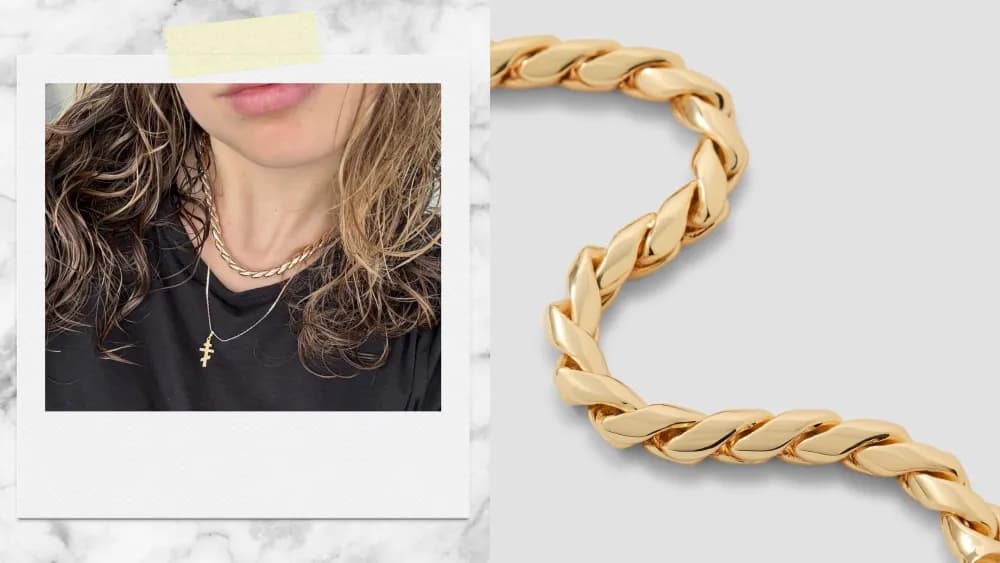
The smartest affordable-luxury jewelry does not try to impersonate high jewelry. It gives you a cleaner silhouette, better metal, and a finish that still looks composed after a long day, which is why the category has become the sweet spot for shoppers who want polish without the full fine-jewelry bill.
What affordable-luxury means now
Vogue Business captured the shift neatly: demi-fine jewellery first hooked Gen Z, then began chasing luxury shoppers. The pandemic-era habit of dressing for Zoom, Teams and Google Meet helped, because people wanted chains, pendants and earrings that read well on screen without fine-jewelry pricing. That is the real daily-wear argument here: one strong piece can do the work of a whole stack if the proportions and metal are right.
The market language backs up the demand. Grand View Research values the global luxury jewelry market at $54.2 billion in 2025, rising to $99.9 billion by 2033, while its broader jewelry market estimate goes from $381.5 billion in 2025 to $578.5 billion by 2033. Its demi-fine jewelry outlook is smaller but sharper, with revenue of $2,462.5 million in 2024 and a projected $4,645.6 million by 2030. Market Research Future is even more bullish on luxury jewelry, forecasting growth from $56.3 billion in 2025 to $123.7 billion by 2035, a reminder that different firms define the category differently, but the directional story is consistent.
Trade coverage has moved with the market. JCK’s November 2025 question, “What Qualifies as Affordable Luxury These Days?”, shows how firmly the term has entered industry vocabulary. Blue Nile, CaratLane, Finematter and Stuller all keep separate guides for fine, demi-fine and high jewelry, which matters because this middle ground is no longer a fuzzy marketing phrase. It is the band between costume jewelry and true high jewelry, and it now has its own expectations for materials, finish, and wearability.
The materials that earn repeat wear
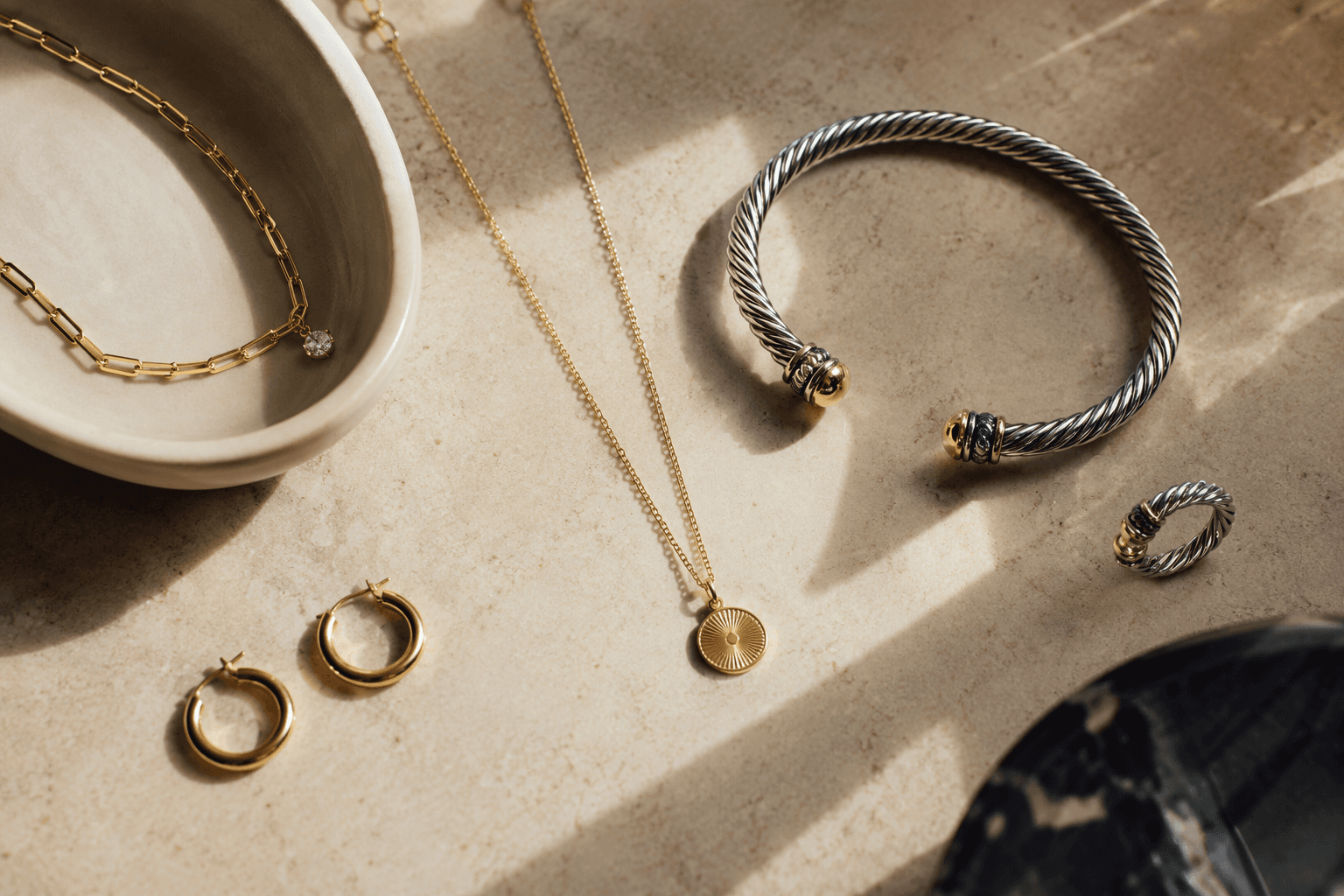
For everyday jewelry, the first test is not sparkle, it is skin and surface. Sterling silver, gold vermeil, solid gold, and lab-grown or semi-precious stones are the core materials that let affordable-luxury pieces look finished rather than flimsy. Forbes distilled the shopper brief with unusual clarity: people want jewelry that looks luxe, lasts longer than a season, and does not turn the neck green.
That is why metal quality matters more than volume. Sterling silver and vermeil sit in the practical sweet spot for many buyers, especially when the design is clean and the finish is well executed. Solid gold still costs more, but it pays back in tarnish resistance and day-to-day ease, especially for rings and earrings that stay in constant contact with skin.
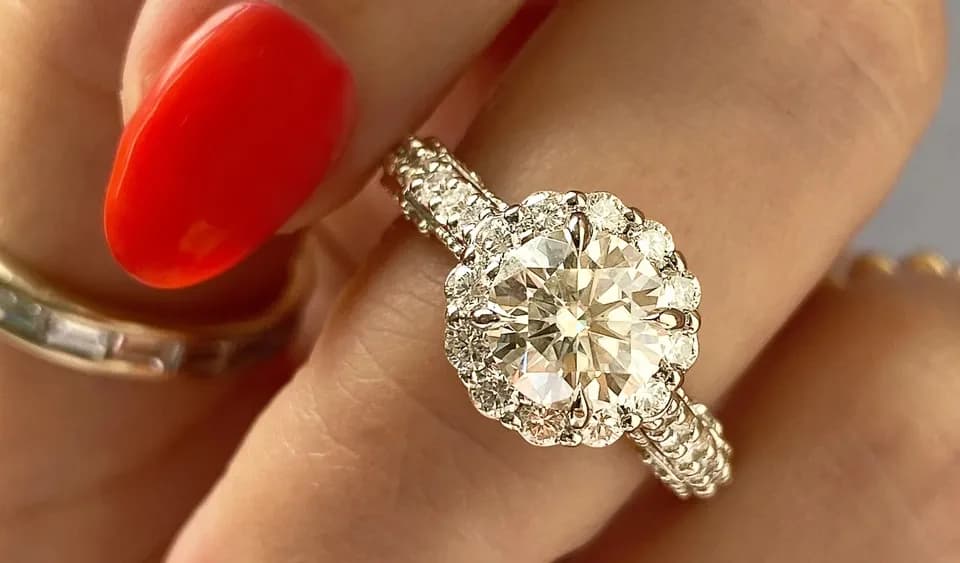
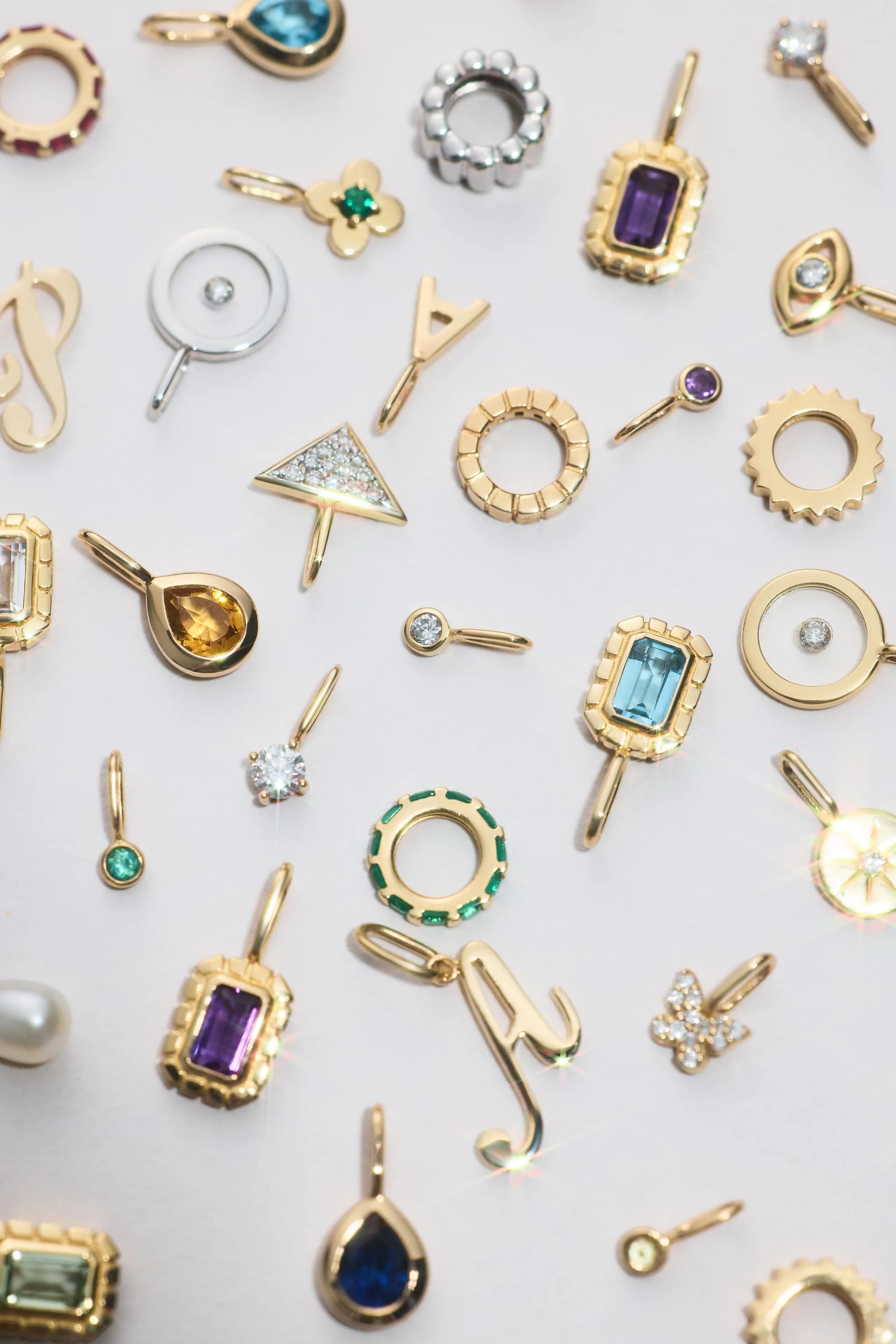
Stone choice matters too. Lab-grown stones keep color and brilliance within reach, while semi-precious stones can deliver real personality without pushing the piece into high-jewelry pricing. If you want extraordinary color, the market still makes it clear that extraordinary color can command extraordinary money, so the smartest everyday buy is often a restrained stone palette in a well-made metal frame.
Which brand identities fit which wardrobe
For the minimalist dresser, Melissa Joy Manning is the clearest reference point in this group. The brand’s Berkeley studio is Green Certified, and its artisans make pieces to order, which gives the work a tighter production story than vague sustainability language ever could. That combination suits someone who wants a low-key silhouette, less churn, and jewelry that feels considered rather than overbuilt.
For the stacker or gift buyer, Stephanie Gottlieb is the most obvious fit among the names in play. The brand’s own framing puts some of its most compelling pieces under $1,000, and that price band is where polished gifting gets easier without sliding into disposable fashion jewelry. This is the lane for someone who wants earrings, chains, or a ring that can join an existing stack and still look intentional on its own.
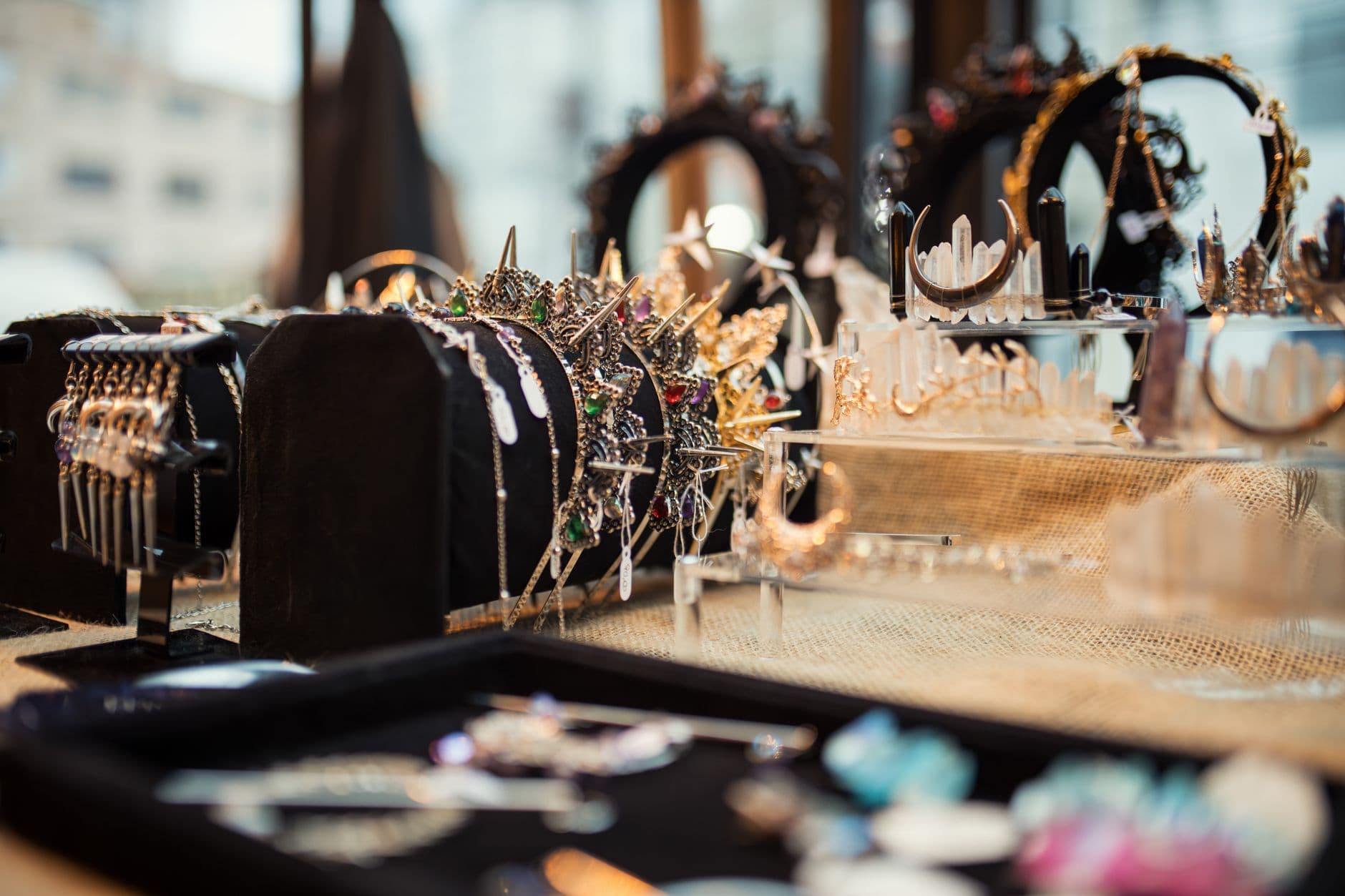
For anyone building a first grown-up jewelry wardrobe, the smarter move is to start with the brands and labels that define what they are making in plain language. Demi-fine exists because shoppers no longer want the compromises of plated costume jewelry, but they also do not need every piece to be heirloom fine jewelry. A wardrobe built from sterling silver, gold vermeil, and a few carefully chosen solid-gold anchors will usually travel further than a drawer full of trend pieces.
How to read the claims without falling for greenwash
The ethical conversation matters here because affordable does not automatically mean responsible. A CFDA conversation on the gold standard brought together Beth Bugdaycay of Foundrae, Melissa Joy Manning, Kristina Buckley Kayel of the Natural Diamond Council, Laura Galvis of the Alliance for Responsible Mining, Brian Cook of Nature’s Geometry and the Ethical Gem Suppliers Collective, and moderator Alexandra Hart. That panel matters because it points to the questions that actually count: where the metal came from, who made the piece, and whether the brand can name the standards behind its sourcing.
- What is the base metal, sterling silver, vermeil, or solid gold?
- If it is vermeil, is the gold layer thick enough to hold up to regular wear?
- Are stones lab-grown, semi-precious, or something rarer and pricier?
- Does the brand name its studio practices, such as made-to-order production or a certification like Green Certified?
- Are sustainability claims specific, or just mood words?
Use the label like a checklist:
That last question is the one that separates polished marketing from durable value. Affordable-luxury jewelry is at its best when the design feels restrained, the metal is honest, and the brand can explain how the piece was made without hiding behind vague language.
This article was produced by Prism’s automated news system from verified source data, official records, and press releases, then run through automated quality and moderation checks before publishing. The system is built and supervised by the people who set the standards it runs under. Read our full AI policy.
Did this article answer your question?