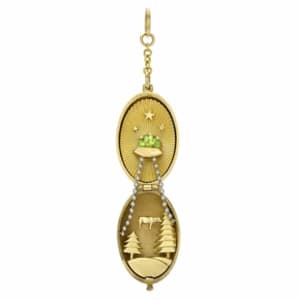
Ethical charm necklaces blend sustainability, personalization, and everyday wearability
Charm necklaces can be personal enough to feel intimate and sturdy enough for daily wear, if you know which materials and sourcing claims matter.
Why charm necklaces keep working
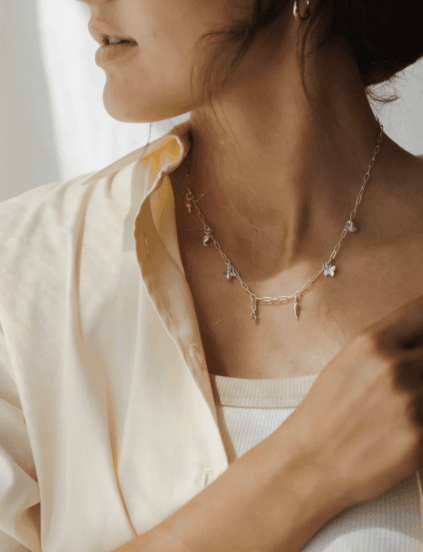
Charm necklaces endure because they do more than decorate. The International Gem Society traces delicate charm bracelets and necklaces back centuries, and that history still matters: charms have always been a compact way to mark milestones, carry memories, and wear something that feels unmistakably personal. That same instinct is now driving current jewelry trends toward names, dates, symbols, letters, and birthstones, which makes charm necklaces especially well suited to everyday wear because they can look meaningful without feeling precious or fussy.
There is also a larger market story here. Statista pegs the global luxury jewelry market at about 31 billion euros in 2024, a reminder that ethically made charm necklaces sit inside a major category, not a niche side note. The appeal is not simply sentiment. It is the practical appeal of wearing one piece that can move from work to dinner to the weekend and still carry a specific story.
What ethical should mean, not just sound like
The Good Trade’s framing of ethical jewelry is a useful starting point because it names the practices readers should actually expect to see: conflict-free gems, recycled metals, and fair wages in safe working conditions. Those are concrete claims, not mood words. If a brand says “conscious,” “responsible,” or “green” without explaining materials and labor, the language is doing more work than the sourcing.
That distinction matters because jewelry supply chains are long and often opaque. The International Labour Organization says supply chains can support development, but they also raise concerns about working conditions and labor rights. The OECD says global value chains account for about 70% of international trade, which helps explain why provenance is so hard to see and why traceability should sit at the center of any ethical jewelry conversation.
The certifications and standards worth knowing
One of the few broad industry bodies worth naming is the Responsible Jewellery Council. Founded in 2005, it says it now unites more than 2,000 companies across the global watch and jewelry supply chain, and it describes itself as the world’s leading sustainability standard-setting organization for the jewelry and watch industry. That does not automatically make every piece certified or every claim perfect, but it does give buyers a recognizable reference point when a brand says it follows more rigorous standards.
For a charm necklace, the practical question is simple: can the brand connect its materials and manufacturing to a real standard, or is it relying on vague ethical language? Clear answers usually mention recycled metals, conflict-free stones, and labor practices in safe working conditions. If a brand cannot say where the metal came from, how the stones were sourced, or who made the piece, the sustainability pitch is incomplete.
Materials that work hardest in everyday wear
For charm necklaces, material choice shapes both longevity and ethics. Recycled metals are especially compelling because they reduce the need for newly mined material while still allowing the piece to be worn often and layered easily. Conflict-free gems also matter when a charm includes a stone, whether that is a birthstone, a tiny diamond, or a colored accent that gives the necklace its personality.
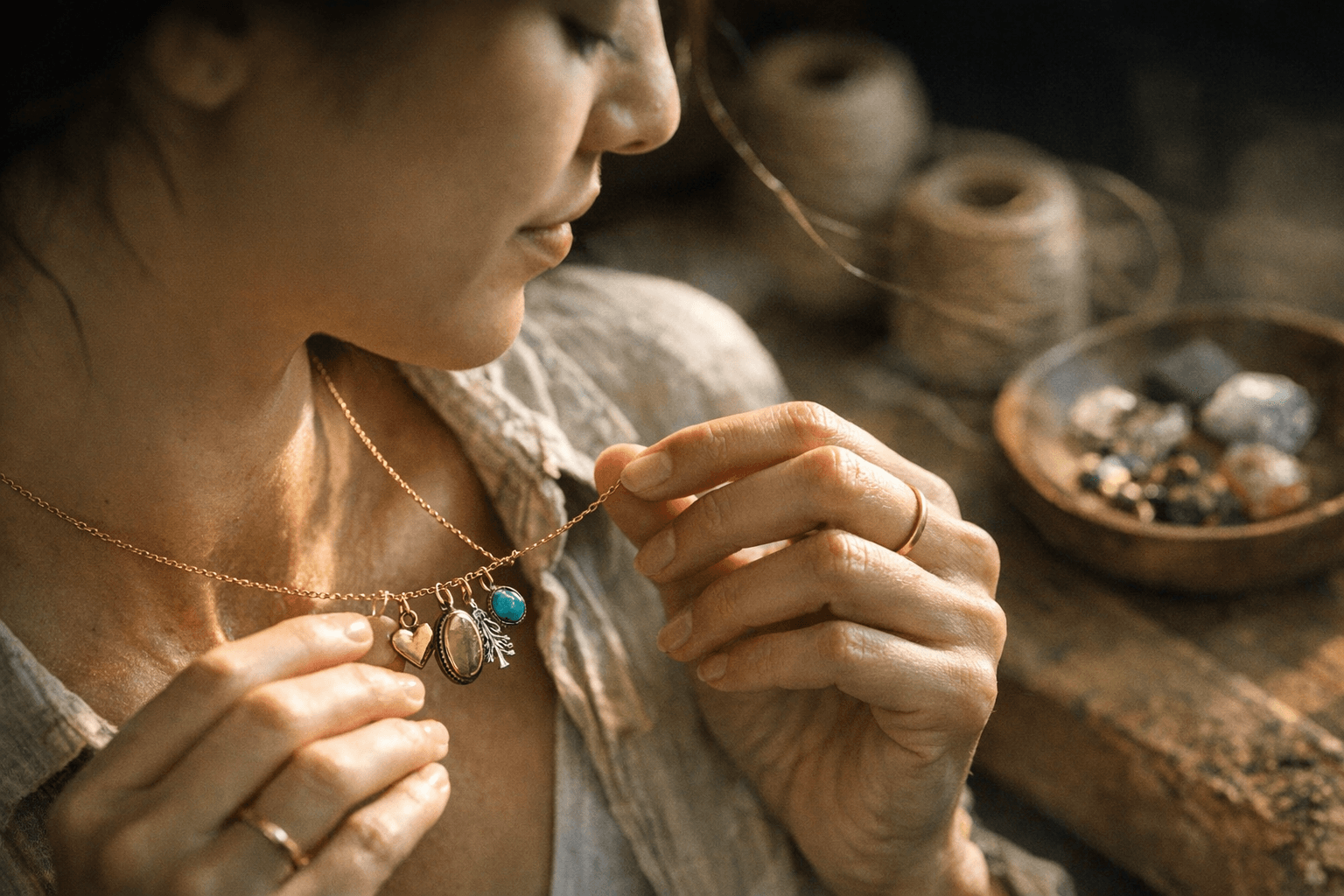
The best ethical charm necklaces are usually the ones that do not force a trade-off between beauty and sturdiness. A delicate silhouette can still be responsible if the maker is transparent about recycled metals and fair labor. If the piece is intended for daily wear, the chain, clasp, and charm attachment deserve as much attention as the charm itself, because the most meaningful necklace in the world is not much use if it feels too fragile to leave the jewelry box.
Customization that stays personal without becoming trendy clutter
The charm format is so durable because it accepts meaning in small doses. JCK’s trend coverage points to jewelry with names, dates, symbols, letters, and birthstones as the current language of personal adornment, and charm necklaces fit that pattern neatly. They let the wearer build a small biography rather than wear a loud statement.
That makes customization more than a styling feature. It is part of the necklace’s function. A single initial, a birthstone, or a date charm can do the emotional work of a much larger piece, which is why charm necklaces often feel more wearable than larger statement pendants. The strongest designs tend to look edited rather than overloaded, so the necklace can layer well and still read as specific to the person wearing it.
How to judge price-to-wear value
A charm necklace earns its keep when it can be worn repeatedly, not just admired once. That is where ethical sourcing and everyday utility overlap: recycled metals and thoughtful construction can justify a higher price if the piece is built to last and backed by clearer sourcing. In a market as large as the luxury jewelry sector, the key question is not whether a charm necklace is expensive, but whether its materials, labor claims, and design support the cost over time.
- clear material disclosure, especially recycled metals or conflict-free gems
- a simple, wearable silhouette that layers easily
- customization that feels personal enough to outlast short-lived trends
The best value pieces usually have three things in common:
The Good Trade’s curation of ethical, customizable charm necklaces points to exactly this balance. The strongest pieces are not trying to be either precious heirlooms or disposable accessories. They are built to live in the middle, where sustainability, identity, and daily wear can all fit on the same chain.
In the end, the charm necklace that matters most is the one that can carry a story without hiding the conditions under which it was made. When sourcing is clear, materials are responsibly chosen, and the design is made for real life, ethical jewelry stops sounding aspirational and starts functioning the way good jewelry always should: beautifully, often, and without compromise.
This article was produced by Prism’s automated news system from verified source data, official records, and press releases, then run through automated quality and moderation checks before publishing. The system is built and supervised by the people who set the standards it runs under. Read our full AI policy.
Did this article answer your question?