Fine Jewelry Designed for Daily Wear, Not Just Special Occasions
Mayet Dela Rosa built 19 Philippine fine jewelry outlets on one belief: the best piece you own is the one you never take off.
Structure Before Sparkle: The Everyday Wearability Test
The jewelry that earns permanent residency on your wrist or ears is not necessarily the most eye-catching piece in the case. It is the one engineered to handle real life: handwashing, cooking, gym sessions, humidity, and the thousand invisible knocks of an ordinary day. This is the case Mayet Dela Rosa has been making since she and her husband Richard built their namesake brand from a single shop along Recto Avenue in Manila into a network of 19 outlets spanning Metro Manila and the provinces of Cavite, Laguna, Batangas, and Antipolo, with a flagship at Venice Grand Canal Mall in Taguig City as their latest addition.
Her guiding principle is direct: "We focus not only on sparkle but also on structure. Our settings are designed to be durable and secure, so the diamonds can be worn every day with confidence. For us, a beautiful piece should not be delicate in use."
That sentence does more editorial work than most jewelry marketing manages in a paragraph. It reframes the central question from "Is this beautiful?" to "Is this built for the life I actually live?" If you are shopping for everyday fine jewelry, make that your opening question too.
What Durability Actually Means in a Setting
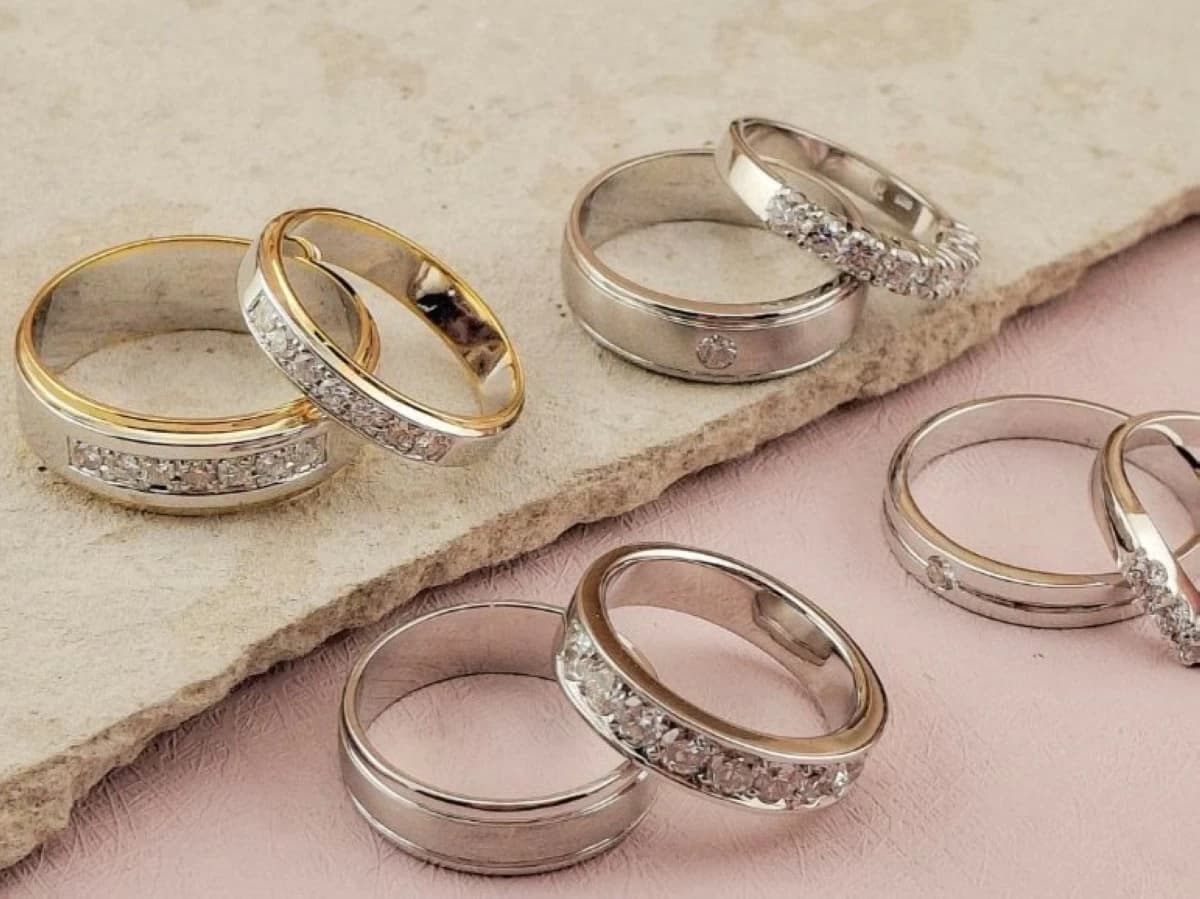
When Dela Rosa talks about settings that are "durable and secure," she is pointing to the construction decisions that separate a piece worn to a gala from one worn to a Tuesday morning meeting. A prong setting, the most common way to hold a solitaire diamond, lifts the stone high for maximum light exposure but leaves it exposed to snagging on fabric and gradual metal fatigue. A bezel setting, which wraps a rim of metal entirely around the stone's girdle, sacrifices a fraction of brilliance for substantial protection. For everyday wear, bezels and flush settings are the professional consensus for a reason: they hold stones securely through years of daily contact without requiring quarterly tightening checks.
The quality of soldering matters just as much as the setting style. At MDLR Fine Jewelry's workshop in Bulacan, where the brand produces its custom-made pieces, the finish on joins and clasps determines whether a chain will last a season or a generation. When you are examining any piece for daily wear, run a fingertip along every solder point. There should be no rough edges, no visible gap, and no movement where the metal meets metal.
Gold karat is the other variable worth understanding. 18-karat gold, the standard in fine jewelry globally, contains 75% pure gold alloyed with metals that add hardness. 14-karat (58.5% gold) is harder still, which makes it a practical choice for rings and bracelets that take the most daily punishment. 24-karat gold is chemically pure but too soft for settings that hold stones through active use. The Monaco Collection Dela Rosa introduced in 2026 illustrates this balance precisely: chains engineered to be, in her own words, "substantial when you see it, yet comfortable when you wear it," with precision locking systems designed for the kind of piece you clip on in the morning and forget about until bedtime.
Finding Your Signature Piece
Before you walk into a jewelry store or open a brand's custom inquiry form, answer three prompts:
- Where will it live on your body? Rings and bracelets endure the most impact. Earrings and necklaces, if properly weighted, can be nearly frictionless for daily wear. Your lifestyle determines the category more than your aesthetic preference.
- What is the one story you want it to tell? Dela Rosa describes jewelry as an emotional purchase, one that carries the dreams of both buyer and seller. A piece commissioned to mark a milestone, a birth year in the metal's gauge, a birthstone in a bezel, a date inscribed inside a band, becomes something a showcase piece rarely is: irreplaceable.
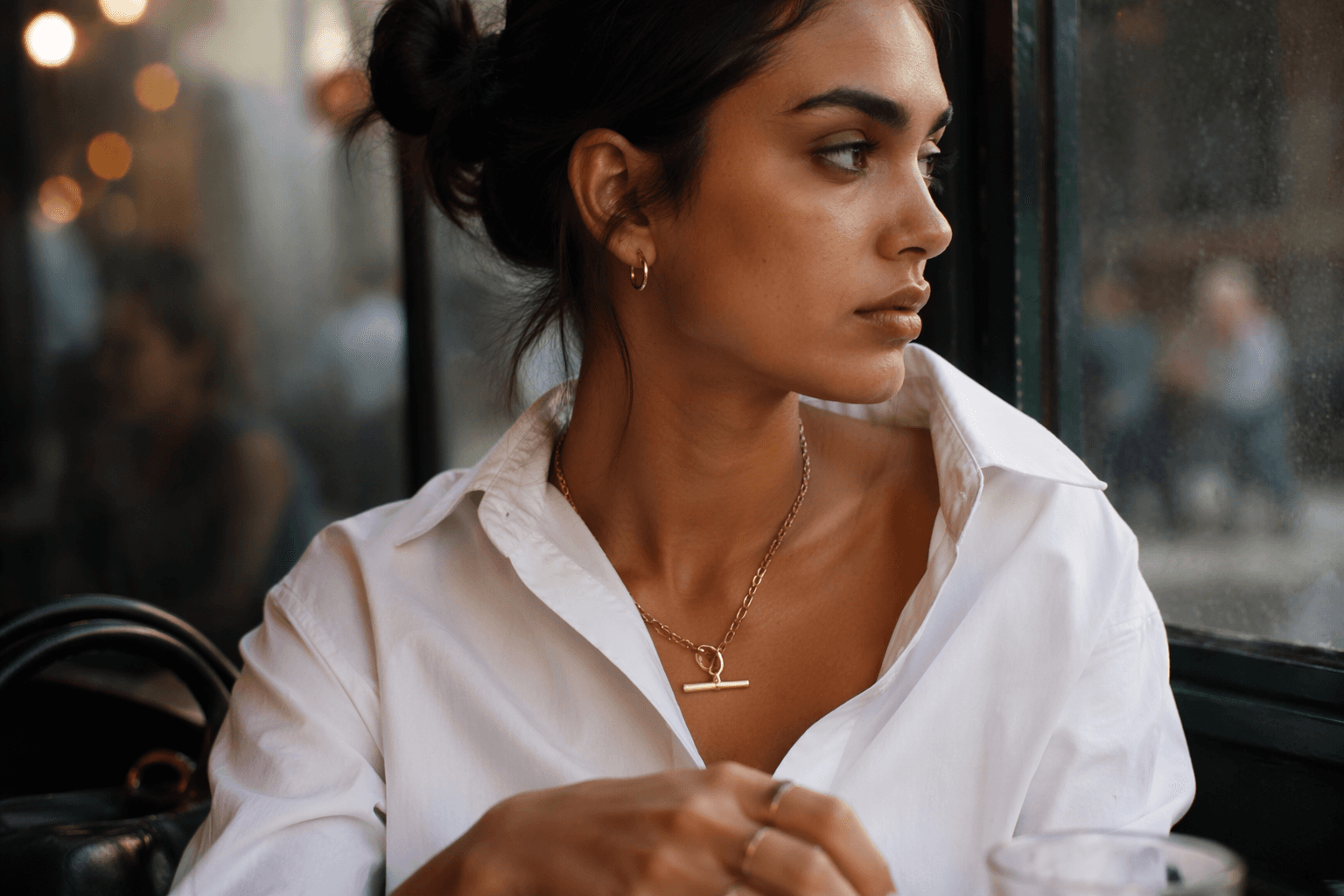
- Can you style it across three different contexts? The strongest everyday fine jewelry moves from a client call to dinner without a costume change. A simple gold chain at 18 inches, a pair of four-millimeter diamond studs, a slim stacking band: these are not "boring" choices. They are the architecture on which bolder occasion pieces layer.
Questions to Ask Before You Buy
Craftsmanship is visible when you know what to look for, but the conversation with a jeweler or brand specialist is equally diagnostic. Ask:
- What metal is the base, and what is the karat weight? Verify it matches what is stamped on the piece.
- How is the stone set, and what is the recommended check-in schedule for prong inspection? Responsible fine jewelry brands, including MDLR, offer ongoing care relationships, not just a one-time sale.
- If this piece needs repair in five years, can your workshop source matching components? MDLR's combination of internationally sourced inventory and its Bulacan workshop for bespoke production means the brand can answer this question directly.
- Is there an aftercare protocol for the specific metal and stones? Diamonds are hard but not indestructible; their girdles can chip with a hard enough lateral strike. Soft stones like opals and emeralds require more cautious daily handling than a sapphire or ruby.
Translating Your Story into a Design Detail
The shift Dela Rosa describes in her market is a real one: "For many years, jewelry was sold as a symbol of status. Today, clients want more. They want meaning, clarity, and confidence in what they're buying." This creates practical opportunity for anyone who approaches fine jewelry as wearable autobiography.
Stone choice is the most direct translation. Birthstones are the obvious entry point, but consider lesser-discussed options: a deep-teal Montana sapphire for someone drawn to the American West, a tsavorite garnet for a deep-saturated green without the maintenance demands of an emerald, a salt-and-pepper diamond for someone who values the irregular and the real over flawless conformity.
Motif and silhouette carry meaning without a single word. A serpent ring has signified rebirth and protection since antiquity. An open circle pendant reads as continuity. A linked chain, by its very geometry, is a meditation on connection.
Engraving is the quietest and most permanent option. Inside a band or on the back of a locket, a date, a coordinate, a name, or a line of text costs relatively little to add at the custom stage but transforms the object's meaning entirely. MDLR's Bulacan workshop accepts custom briefs that include pendant style, chain design, and gemstone specification, which means the conversation about what a piece should mean can happen alongside the conversation about what it should look like.
The most durable everyday fine jewelry is not the kind that survives a lifetime despite daily wear. It is the kind that only gets richer because of it, picking up the small patina of a life actually lived. That is the argument Mayet Dela Rosa has been making, piece by piece, for two decades. It turns out to be a very practical one.
Let me now format the full response:
Structure Before Sparkle: The Everyday Wearability Test
The jewelry that earns permanent residency on your wrist or ears is not necessarily the most eye-catching piece in the case. It is the one engineered to handle real life: handwashing, cooking, gym sessions, humidity, and the thousand invisible knocks of an ordinary day. This is the case Mayet Dela Rosa has been making since she and her husband Richard built their namesake brand from a single shop along Recto Avenue in Manila into a network of 19 outlets spanning Metro Manila and the provinces of Cavite, Laguna, Batangas, and Antipolo, with a flagship at Venice Grand Canal Mall in Taguig City as their latest addition.
Her philosophy cuts straight to the point: "We focus not only on sparkle but also on structure. Our settings are designed to be durable and secure, so the diamonds can be worn every day with confidence. For us, a beautiful piece should not be delicate in use."
That sentence reframes the central shopping question from "Is this beautiful?" to "Is this built for the life I actually live?" If you are shopping for everyday fine jewelry, make that your first test.
What Durability Actually Means in a Setting
When Dela Rosa talks about settings that are "durable and secure," she is pointing to construction decisions that separate a piece worn to a gala from one worn to a Tuesday morning meeting. A prong setting, the most common way to hold a solitaire diamond, lifts the stone high for maximum light exposure but leaves it exposed to snagging on fabric and gradual metal fatigue over years of contact. A bezel setting, which wraps a rim of metal entirely around the stone's girdle, sacrifices a fraction of brilliance for substantial protection. For daily wear, bezels and flush settings are the professional consensus for good reason: they hold stones securely through years of use without requiring quarterly prong-tightening checks.
The quality of soldering matters as much as setting style. At MDLR Fine Jewelry's workshop in Bulacan, where the brand produces its custom-made pieces, the finish on joins and clasps determines whether a chain lasts a season or a generation. When examining any piece for daily wear, run a fingertip along every solder point. There should be no rough edges, no visible gap, and no movement where metal meets metal.
Gold karat is the other variable worth understanding before you buy. 18-karat gold, the international standard in fine jewelry, contains 75% pure gold alloyed with metals that add hardness. 14-karat (58.5% gold) is harder still, which makes it a practical choice for rings and bracelets that absorb the most daily punishment. 24-karat gold is chemically pure but too soft for settings that hold stones through active use. The Original Monaco Collection Dela Rosa introduced in 2026 illustrates this balance well: chains engineered to be, in her words, "substantial when you see it, yet comfortable when you wear it," with precision locking systems designed for pieces you clip on in the morning and forget about until bedtime.
Finding Your Signature Piece
Before you walk into a store or open a brand's custom inquiry form, answer three questions honestly:
- Where will it live on your body? Rings and bracelets endure the most daily impact. Earrings and necklaces, properly weighted, can be nearly frictionless for everyday wear. Your lifestyle determines the category more than your aesthetic preference does.
- What is the one story you want it to tell? Dela Rosa describes jewelry as an emotional purchase, one that carries the dreams of both buyer and seller. A piece commissioned to mark a milestone, with a birth year worked into the metal's gauge, a birthstone in a bezel, or a date inscribed inside a band, becomes something a showcase piece rarely is: irreplaceable.
- Can you style it across three different contexts? The strongest everyday fine jewelry moves from a client call to dinner without a costume change. A simple gold chain at 18 inches, a pair of four-millimeter diamond studs, a slim stacking band: these are not conservative defaults. They are the architecture on which occasion pieces layer.
What to Ask Before You Commit
Craftsmanship is visible when you know what to look for, but the conversation with a jeweler is equally diagnostic. These questions will tell you a great deal:
- What is the metal and karat weight, and does it match the stamp on the piece?
- How is the stone set, and what is the recommended schedule for prong inspection? Responsible fine jewelry brands offer ongoing care relationships, not a one-time sale.
- If this piece needs repair in ten years, can your workshop source matching components? MDLR's combination of internationally sourced inventory and its Bulacan production workshop means the brand can answer this concretely.
- What is the aftercare protocol for this specific metal and stone? Diamonds are hard but not indestructible; their girdles can chip under a sharp lateral strike. Softer stones like opals and emeralds require considerably more careful daily handling than a sapphire or a ruby.
Translating Your Story into a Design Detail
The shift Dela Rosa describes in her market is real and growing: "For many years, jewelry was sold as a symbol of status. Today, clients want more. They want meaning, clarity, and confidence in what they're buying." This creates genuine opportunity for anyone who approaches fine jewelry as wearable autobiography.
Stone choice is the most direct translation. Birthstones are the obvious entry, but consider less-traveled alternatives: a deep-teal sapphire for someone drawn to water or the natural world, a tsavorite garnet for a saturated green without the fracture-sensitivity of an emerald, or a salt-and-pepper diamond for someone who values the irregular and honest over flawless conformity.
Motif and silhouette carry meaning without a single word. A serpent ring has signified rebirth and protection since antiquity. An open circle pendant reads as continuity. A linked chain, by its very geometry, is a meditation on connection.
Engraving is the quietest and most permanent option. Inside a band or on the reverse of a pendant, a date, a coordinate, a name, or a single word costs relatively little to add at the custom stage but transforms the object's meaning entirely. MDLR's Bulacan workshop accepts custom briefs covering pendant style, chain design, and gemstone specification, meaning the conversation about what a piece should mean can happen alongside the conversation about what it should look like.
The most durable everyday fine jewelry is not the kind that survives a lifetime despite daily wear. It is the kind that only deepens because of it, accumulating the small patina of a life actually lived. That is the argument Mayet Dela Rosa has been making, piece by piece and store by store, for two decades. It turns out to be a very practical one.
This article was produced by Prism’s automated news system from verified source data, official records, and press releases, then run through automated quality and moderation checks before publishing. The system is built and supervised by the people who set the standards it runs under. Read our full AI policy.
Did this article answer your question?