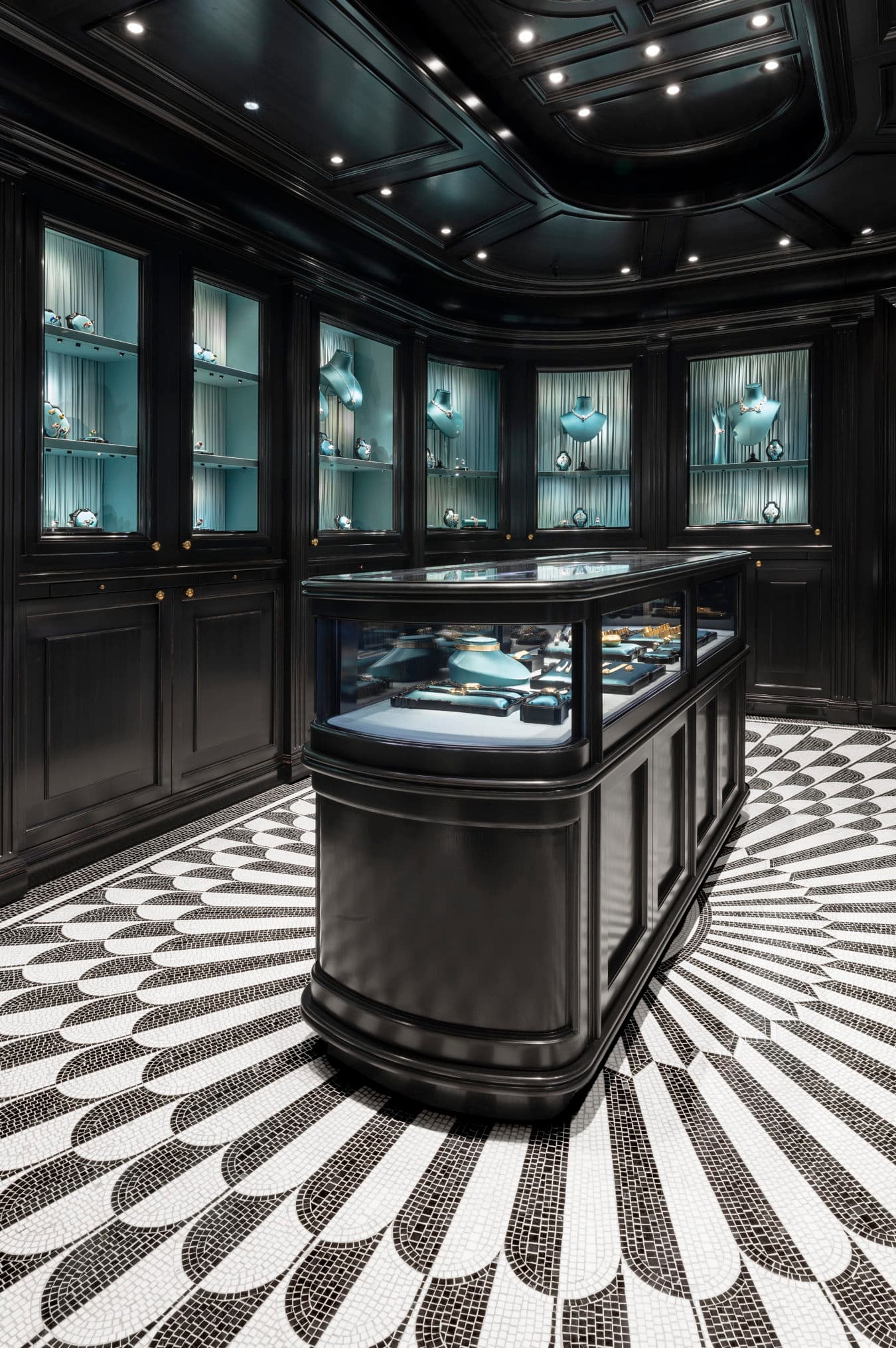
GIA warns everyday products can damage fine jewelry and gems
A few ordinary products, from lotion to bleach, can quietly scar gold, pearls and treated gems. The safest routine is simple: put jewelry on last, take it off first.
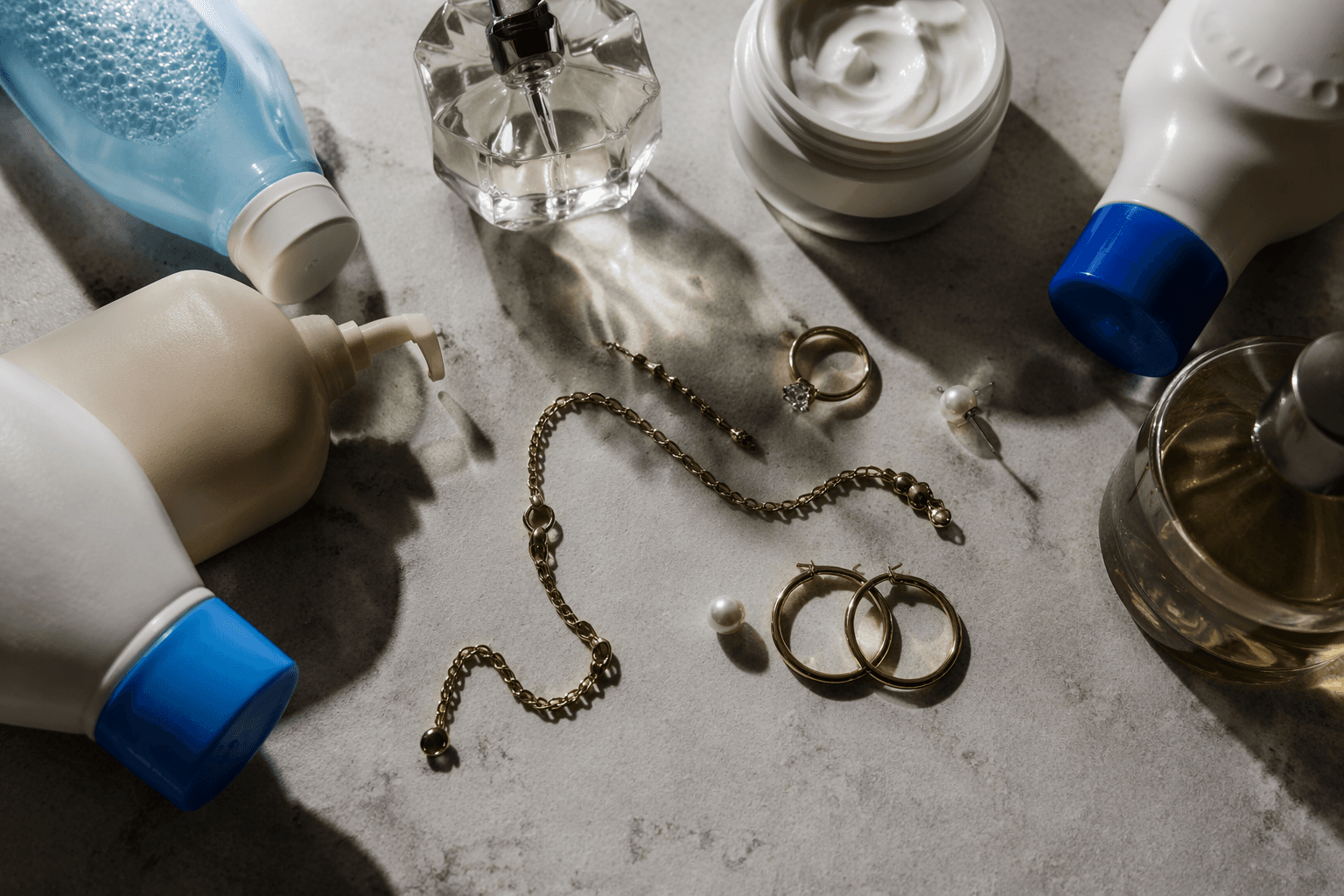
A spritz of perfume, a swim in chlorinated water, or a bedtime spent with a ring still on can stain metal, weaken settings, and shorten the life of fine jewelry. The Gemological Institute of America has spent decades warning against the repeated exposure behind that damage.
GIA was established in 1931 as an independent nonprofit serving the gem and jewelry-buying public through research, education, and laboratory services. Its guidance is about preserving the color, structure, and wearability of pieces that carry real material and emotional value.
Shower, lotion, perfume: the chemistry of everyday damage
The fastest way to protect jewelry is also the simplest: put it on after your beauty products, not before them. Chemicals can discolor or damage precious metals such as gold, silver, and platinum, and everyday products like hairspray, lotion, perfume, and cosmetics can permanently damage porous or delicate materials such as pearls and turquoise.
That same logic applies to cleaning products. Remove fine jewelry before using household cleaners because ammonia and bleach can pit or damage gold alloys. If you wear white gold, the metal may look especially vulnerable here because its bright finish depends on a thin outer layer of rhodium, not on the gold itself. Once that surface is compromised, the piece loses the crisp sheen that makes it look new.
Swimming, sweating and the wear-and-tear of activity
Water is not automatically a friend to jewelry. Remove fine jewelry before swimming in chlorinated pools, where chemical exposure can be harder on metal and some gems than a quick rinse would suggest. The same discipline protects pieces during everyday activity, when repeated friction and impact can loosen settings or scratch softer surfaces.
White gold is an alloy of pure gold mixed with metals such as nickel, palladium, or silver, then finished with rhodium plating to create its bright white color. That finish wears down over time, which makes re-plating a normal part of long-term maintenance rather than a sign that the piece has failed.
Heat and light change stones more than most people realize
Some of the most costly damage happens invisibly, over time. Light and heat can fade or damage gemstones including amethyst, kunzite, topaz, and shell cameos, while heat can dry out pearls, cause cracks or discoloration, and even alter opals. A ring left too long in a sunny windowsill or near heat can age in ways a polish cannot reverse.
Treated gems need an even more careful approach. Many treated stones can be negatively affected by heat, solvents, steam, and ultrasonic cleaners, and knowing whether a gem has been treated is the first step in knowing how to care for it. A stone that looks sturdy may still have fractures filled or surfaces altered to improve appearance, making aggressive cleaning a bad bet.
Pearls demand a softer standard
Pearls live by different rules from faceted stones. Pearls should never be cleaned in an ultrasonic or steam cleaner, and the safest routine is to wipe them with a very soft, clean cloth after each wearing. For occasional deeper cleaning, warm, soapy water is acceptable, but strung pearls must be fully dry before being worn again.
The other pearl rule is physical, not chemical. Keep them away from sharp or rough objects to avoid scratching, and store them in a soft pouch or case.
White gold: a bright finish that needs maintenance
White gold is one of the clearest examples of how everyday wear can change a piece’s appearance without destroying its value. White gold can be cleaned with mild soap, lukewarm water, and a soft cloth. Jewelers Mutual Group recommends removing white gold during activity and storing it separately so pieces do not rub against one another.
White gold’s finish is not permanent, and the rhodium plating gradually wears down with use. Re-plating is routine care, not an exceptional repair.
The ultrasonic temptation
Ultrasonic cleaners promise convenience, and at least some of the appeal is obvious. These machines can work well on certain jewelry because they dislodge dirt from hard-to-reach places, but they are unsafe for pieces with filled fractures or other treatments.
The equipment is not exotic. GIA says a professional ultrasonic cleaner can cost $150 or less, which puts it within reach of many consumers. That low price is exactly why caution matters: a machine that seems practical can become expensive the moment it damages a treated gem, loosens a setting, or leaves a fragile stone worse than before.
The routine worth keeping
The best protection is a repeatable sequence, not a complicated ritual. Put jewelry on after makeup, lotion, perfume, and hairspray. Remove it before swimming, cleaning, or any activity that adds sweat, impact, or chemical exposure. Wipe pieces down after wear, store them separately, and give pearls, treated gems, and white gold the gentler handling they require.
This article was produced by Prism’s automated news system from verified source data, official records, and press releases, then run through automated quality and moderation checks before publishing. The system is built and supervised by the people who set the standards it runs under. Read our full AI policy.
Did this article answer your question?