JA New York Show Offers Retailers a Chance to Stock Up on Jewelry Basics
The JA New York show at the Javits Center runs through March 17, offering retailers a last chance to source jewelry basics and designer specialties before the week closes.
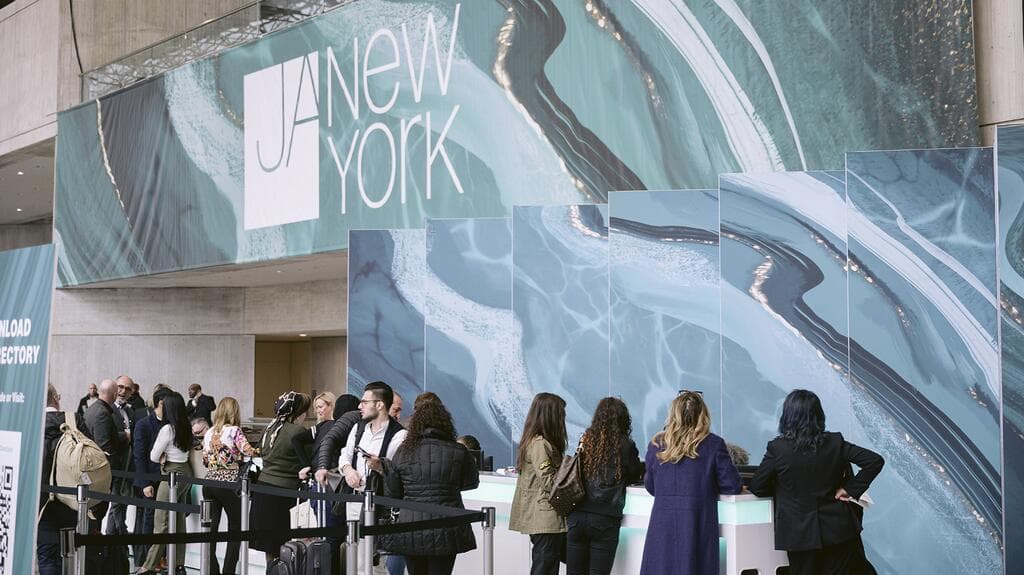
The JA New York show, running March 15 through 17 at the Javits Center on Manhattan's west side, is offering retailers and buyers a focused opportunity to source jewelry basics alongside designer specialties. For anyone who spent the earlier part of the week working the city's jewelry circuit, JCK editor-in-chief Victoria Gomelsky framed the show simply: "head over to the Javits Center on Manhattan's west side to stock up on jewelry basics and designer specialties."
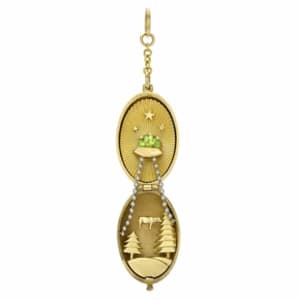
For those who prefer to shop from a distance, two auctions are running concurrently. Freeman's Important Jewelry sale, scheduled for March 18, draws from a notably varied provenance: property belonging to a prominent Chicago family, various private owners, and estates from across the country. But the animating force of the sale is its concentration of French postwar gold, specifically pieces produced by the Georges L'Enfant workshop, the atelier behind work created for Cartier and Van Cleef & Arpels. As JCK's Annie Davidson Watson writes, "L'Enfant designs are coveted for their sculptural, tactile quality. A standout lot in the Freeman's auction, exemplifying the subtle force of the L'Enfant atelier, is a textured gold curb link necklace." The L'Enfant workshop occupies a particular place in the postwar canon: a maker's maker, invisible to casual collectors but instantly legible to anyone who has held the work.
The second auction opportunity, the Jewelry Edit Foundation Silent Auction, runs online through April 16 and includes work such as "Emergence" by Michael Robinson.
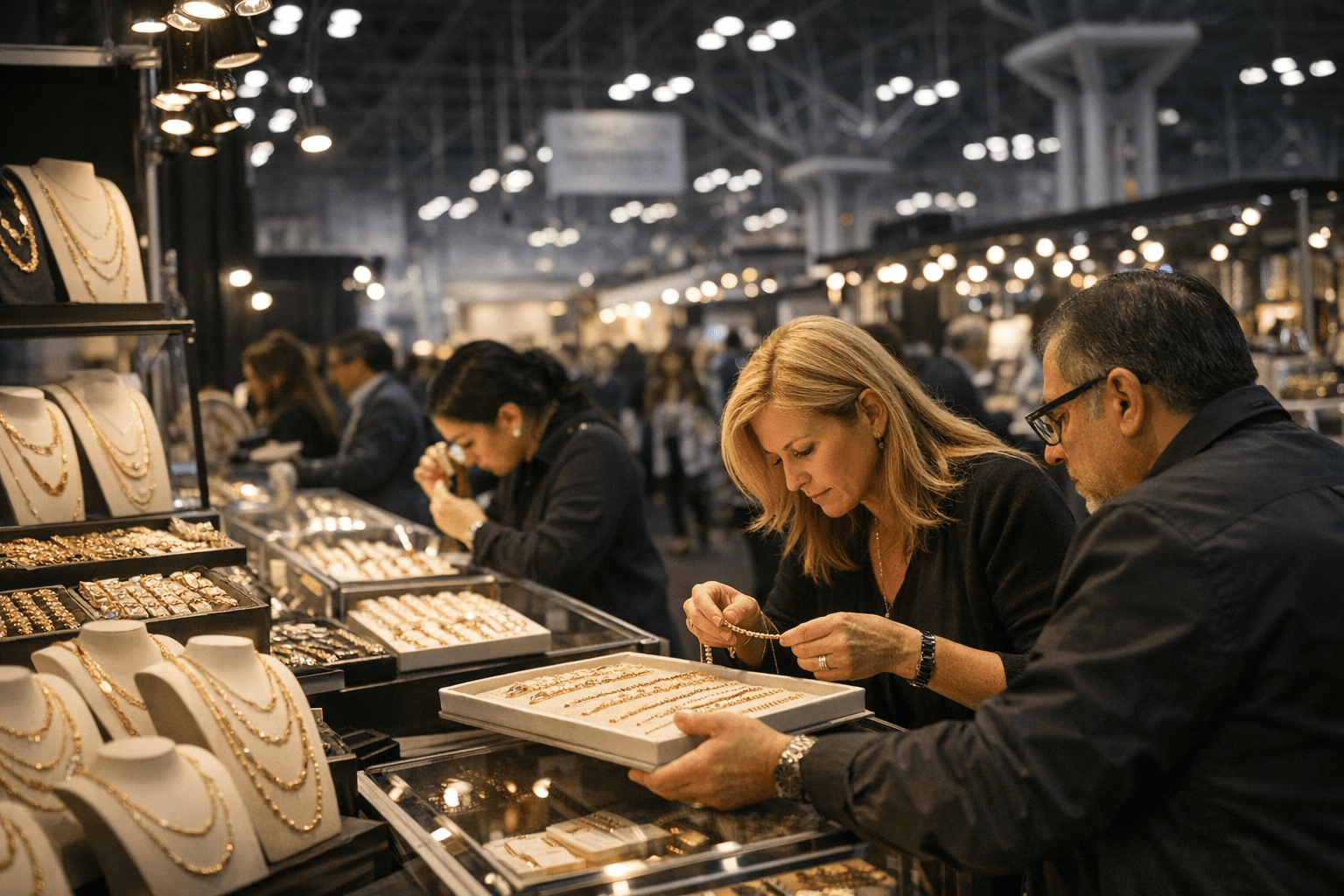
The broader trade conversation this week extends well beyond the show floor. Episode 167 of The Jewelry District podcast, hosted by Gomelsky and JCK news director Rob Bates, addresses a market moment that has left few corners of the industry untouched. The Tucson gem shows, which the hosts describe as a "time capsule," unfolded in an unusually charged interval: right after gold prices surged past $5,500 and just before the Supreme Court struck down Trump's tariffs. Despite that turbulence, Gomelsky reports that the mood in Tucson was positive, with reddish-pink stones trending and the phrase "K-shape economy" surfacing repeatedly on the show floor. Bates examines the tariff situation following the Supreme Court ruling, the volatility now defining the metals market, and what the pending sale of De Beers signals for the diamond trade.
Taken together, the week maps the two registers in which the jewelry industry currently operates: the practical business of restocking shelves at the Javits Center, and a much larger reckoning with gold prices, trade policy, and the future ownership of the world's most storied diamond company.
This article was produced by Prism’s automated news system from verified source data, official records, and press releases, then run through automated quality and moderation checks before publishing. The system is built and supervised by the people who set the standards it runs under. Read our full AI policy.
Did this article answer your question?