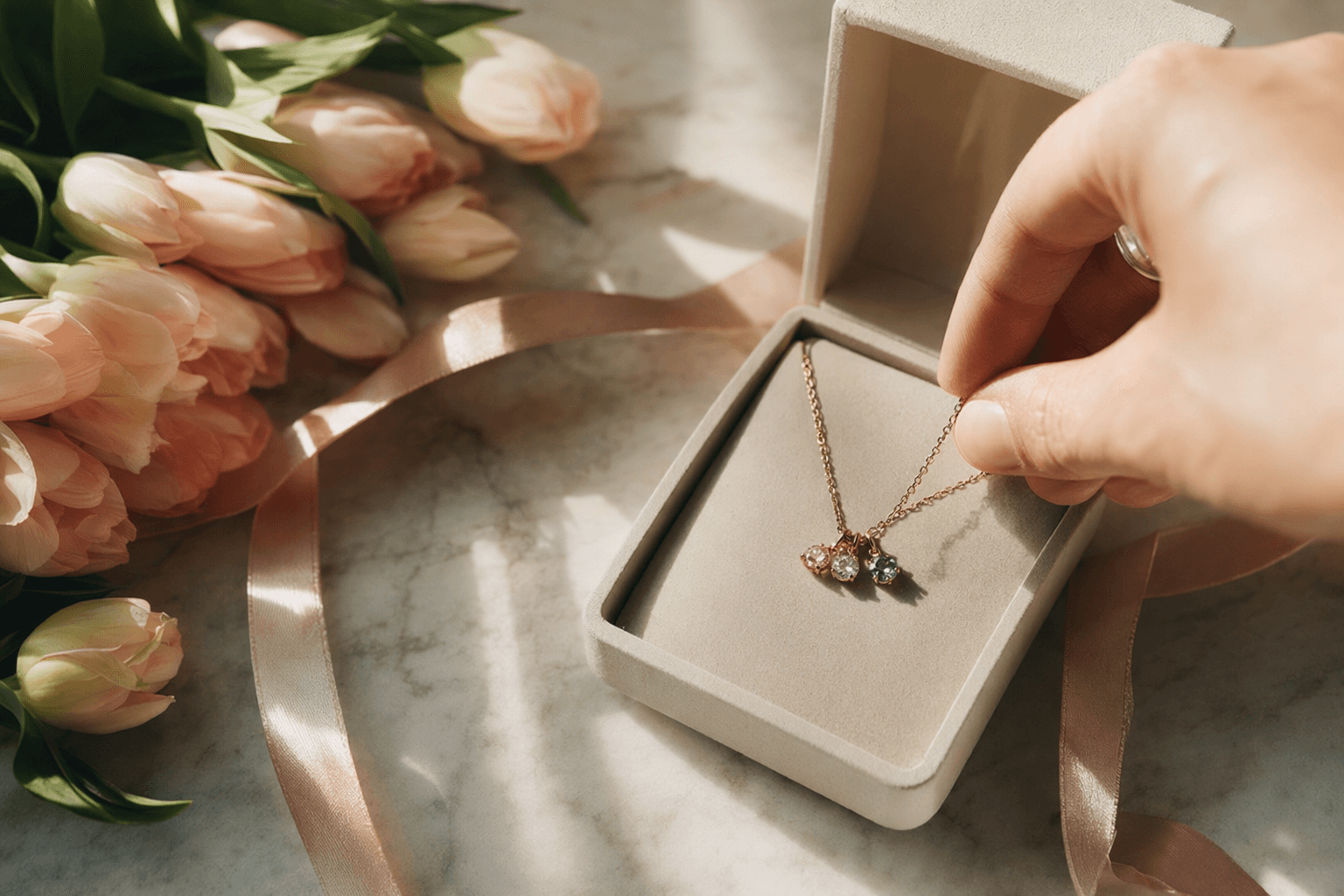
Jewelry Tops Mother’s Day Gifts, as Shoppers Seek Personal, Meaningful Picks
Jewelry is Mother’s Day’s most personal buy, and the numbers prove it. Shoppers want gifts that feel specific, wearable, and lasting, not generic filler.
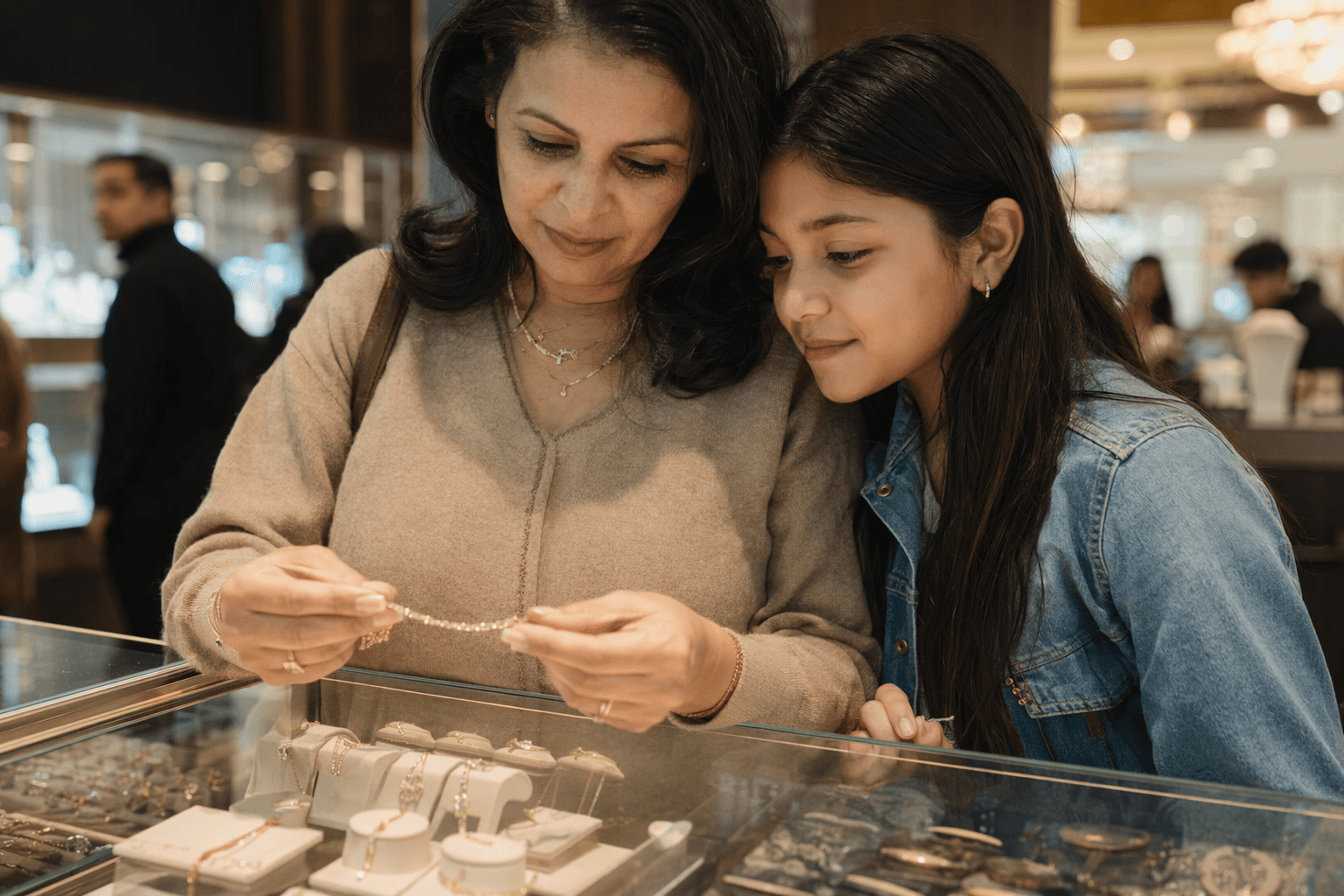
The Strategist asked moms what they actually want for Mother’s Day, and jewelry kept rising to the top for a simple reason: it is tangible, personal, and easy to wear into everyday life. That makes it feel less like a placeholder gift and more like a small, lasting decision, especially when the other most common answers are framed photos, bedding, tea, and other practical comforts.
Jewelry is the category that owns Mother’s Day
The bigger retail picture backs up that instinct. The National Retail Federation expects Mother’s Day 2026 spending to reach a record $38 billion, with jewelry projected to generate $7.5 billion, more than special outings at $6.4 billion, electronics at $4.4 billion, flowers at $3.2 billion, and greeting cards at $1.3 billion. The average celebrant plans to spend $284.25, and 84% of U.S. adults say they will celebrate the holiday. Among those shoppers, 54% are buying for a mother or stepmother, 22% for a wife, and 13% for a daughter.
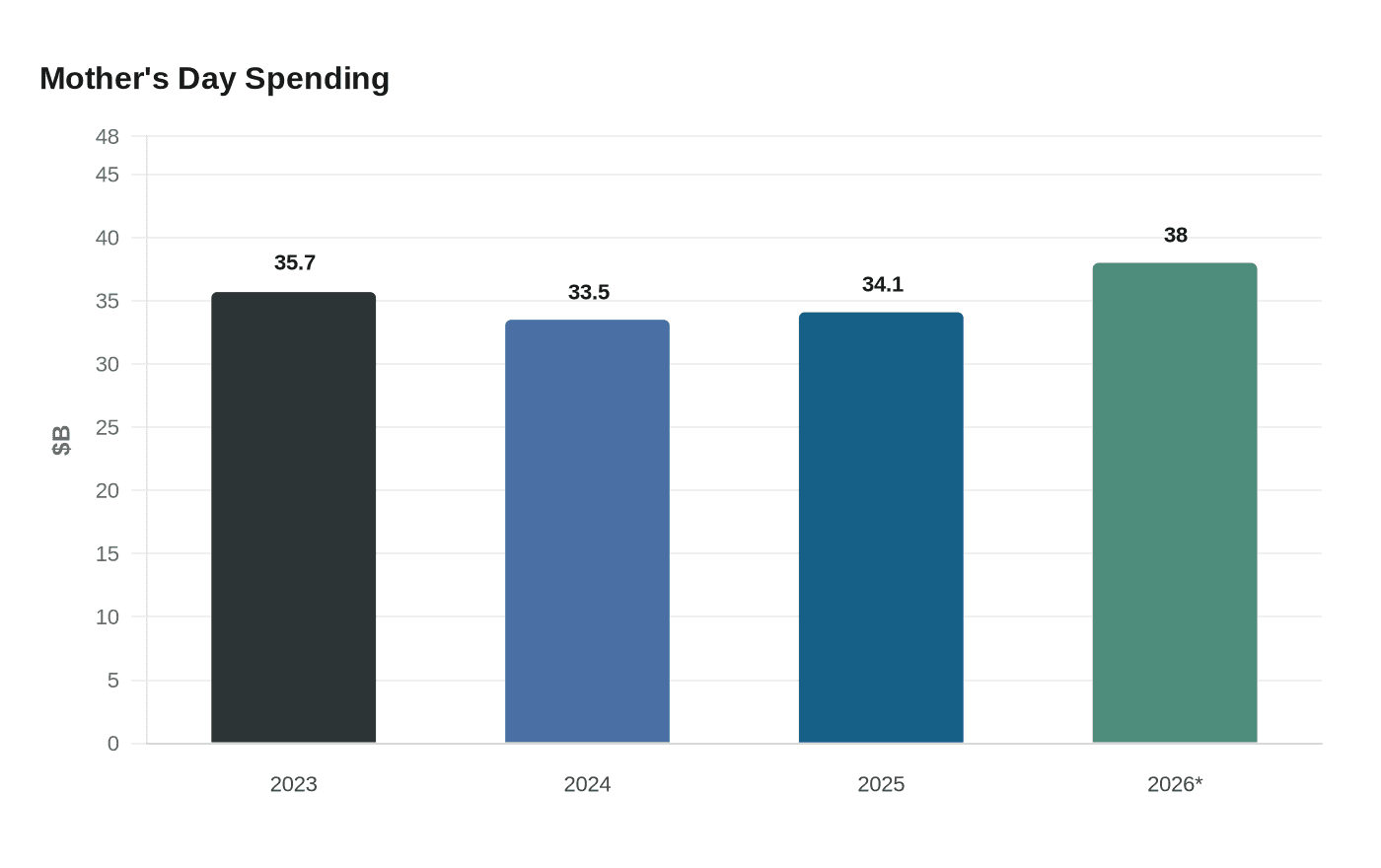
That scale matters because this is not a fleeting trend. NRF has tracked Mother’s Day spending since 2003, and the holiday has remained stubbornly strong even as the totals have shifted: $35.7 billion in 2023, $33.5 billion in 2024, $34.1 billion in 2025, and now a projected $38 billion in 2026. Jewelry has stayed in the lead through that stretch too, with NRF reporting $7.8 billion in jewelry spending in 2024 and $6.8 billion in 2025. The category wins because it delivers emotion in a form that can actually be worn.
Why personal jewelry feels right now
What shoppers are rewarding is specificity. NRF says consumers are increasingly drawn to unique gifts that create lasting memories, and that is exactly where engraved names, initials, and birthstones fit in. A piece like that does not read as generic luxury; it reads as a private symbol, something made for one person rather than a holiday shelf.
That is also why jewelry works so well in everyday wardrobes. It can live on a wrist, at the base of the throat, or beside a wedding band without needing an occasion to justify it. A slim pendant, a tiny charm, a signet ring, or a pair of understated hoops can be woven into the daily rhythm of getting dressed, which is a lot more useful than a present that needs a reservation, a table setting, or a storage solution.
The Strategist moms angle lands here because it challenges the fantasy that “practical” gifts are automatically the most thoughtful. Jewelry is practical in a different way: it is portable, visible, and emotionally legible. You do not have to explain a necklace with a child’s initial or a ring set with a birthstone. It does the talking for you.
What to look for if you want the gift to get worn
The best Mother’s Day jewelry is usually the kind that can join an existing stack rather than demand a complete style overhaul. Think pieces that layer cleanly, sit comfortably against skin, and do not fight with the rest of her jewelry box. That is the real test of an everyday piece: whether it can move between a school run, a workday, and dinner without ever feeling overdressed.
Personalization helps, but restraint matters too. A nameplate necklace or engraved bracelet can feel intimate; a design crowded with too many motifs can drift into sentimentality. Birthstones, initials, and simple inscriptions work because they are recognizable at a glance and easy to keep wearing long after the holiday flowers have faded.
Why the holiday keeps tilting toward jewelry
The spending data suggests that Mother’s Day is no longer being treated as a single-note occasion. With 84% of adults planning to celebrate, the holiday now reaches far beyond the traditional mother-child exchange, and that helps explain why jewelry has such staying power across relationships. The same object can work as a gift for a mother, a wife, or a daughter, but the emotional register changes depending on the engraving, stone, or setting.
That flexibility is exactly what makes the category so durable. Jewelry gives shoppers a way to spend meaningfully without having to invent meaning from scratch. It answers the holiday’s biggest question with something direct and visible: a gift that can be held, worn, and remembered every day after Mother’s Day itself has passed.
Know something we missed? Have a correction or additional information?
Submit a Tip