Masked thieves steal millions in jewels from France’s Musée Lalique
Three masked thieves hit Musée Lalique before dawn, smashing six cases and escaping with jewels worth up to €4.5 million.
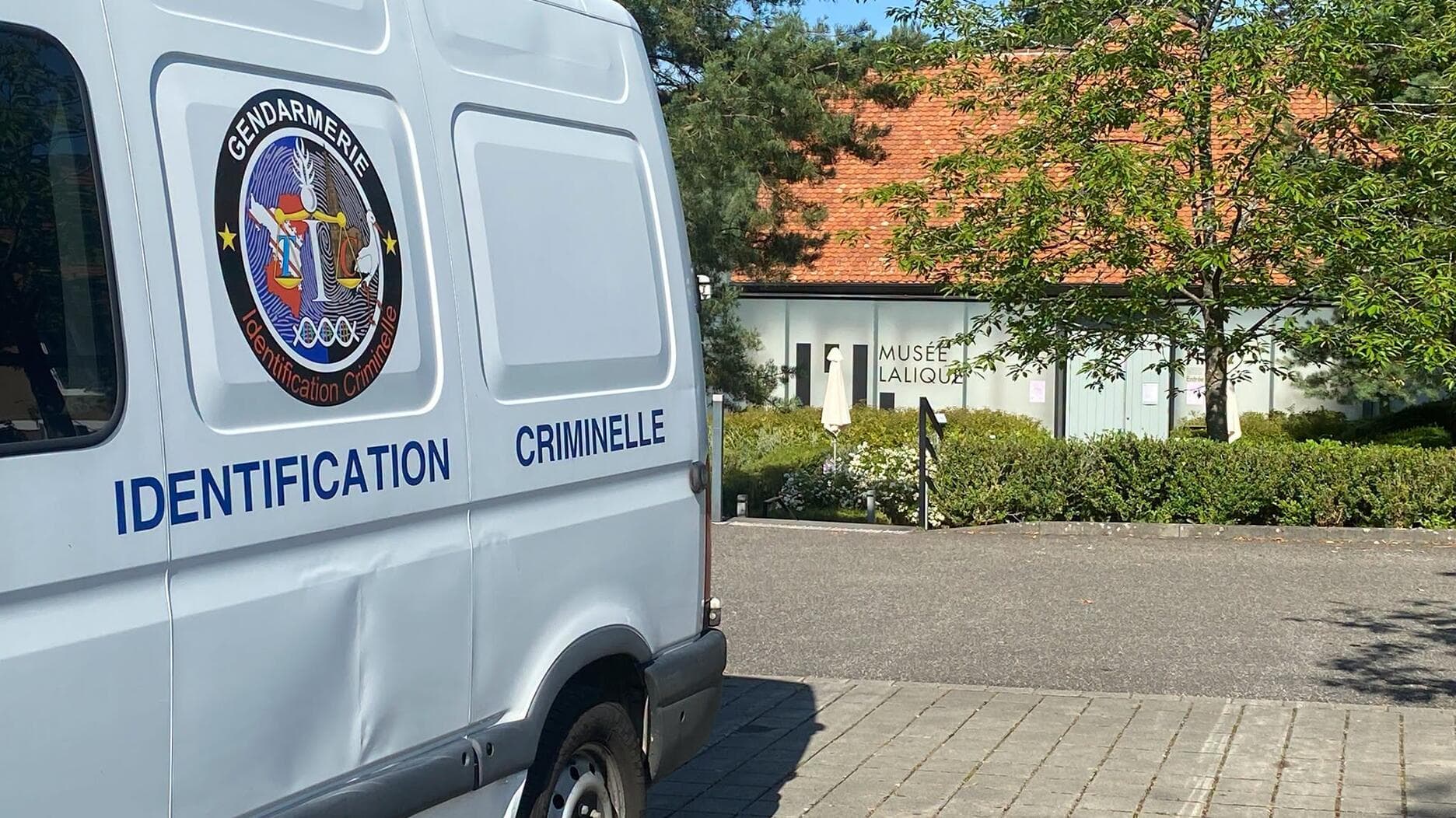
Three masked thieves broke into France’s Musée Lalique in Wingen-sur-Moder, Bas-Rhin, before dawn on July 5 and fled with jewelry and crystal pieces valued at about €4 million to more than €4.5 million. The raid, which local prosecutor François Antona outlined in the initial account of the case, took place around 5:25 a.m. to 5:30 a.m. local time and targeted one of the country’s most storied jewelry collections.
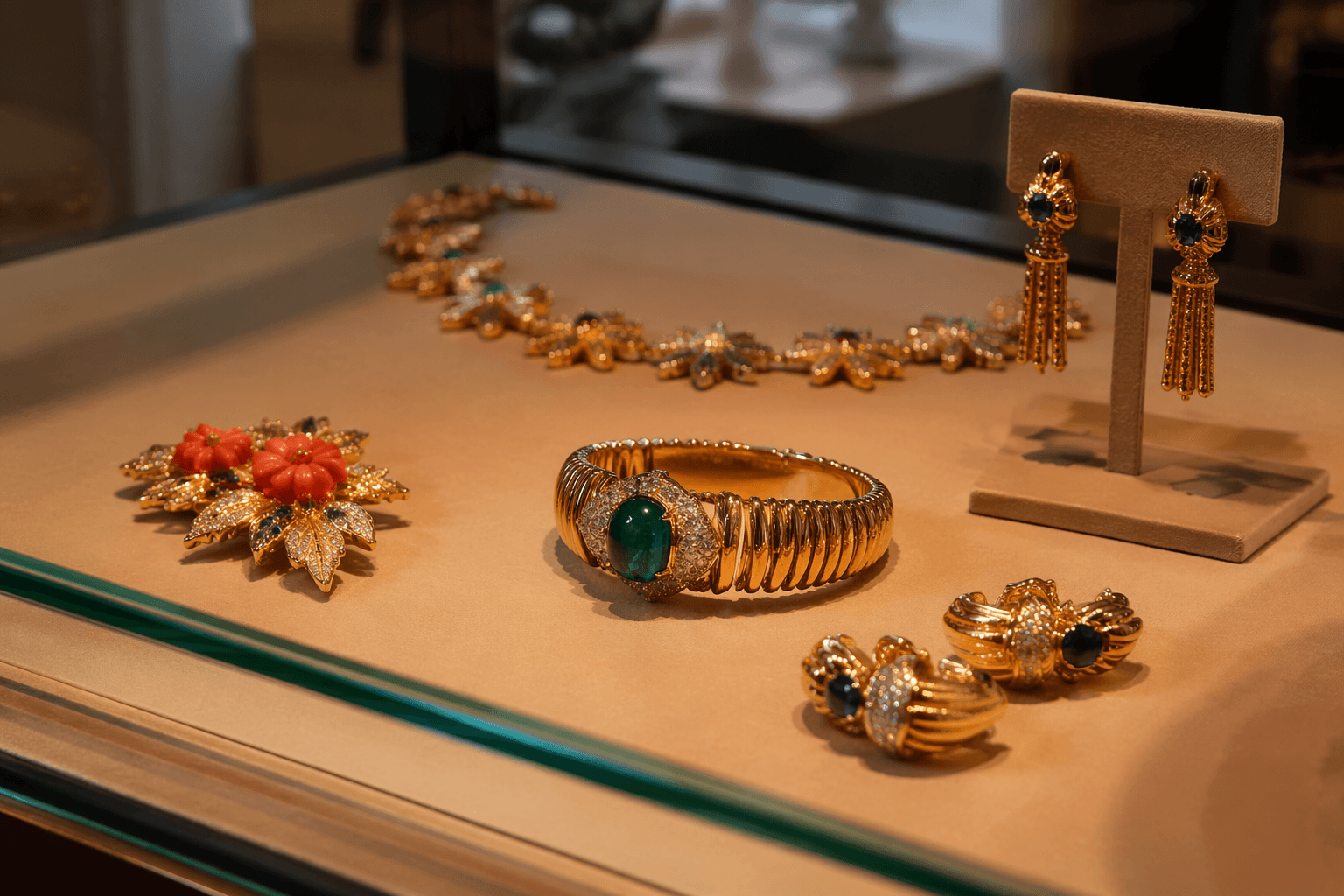
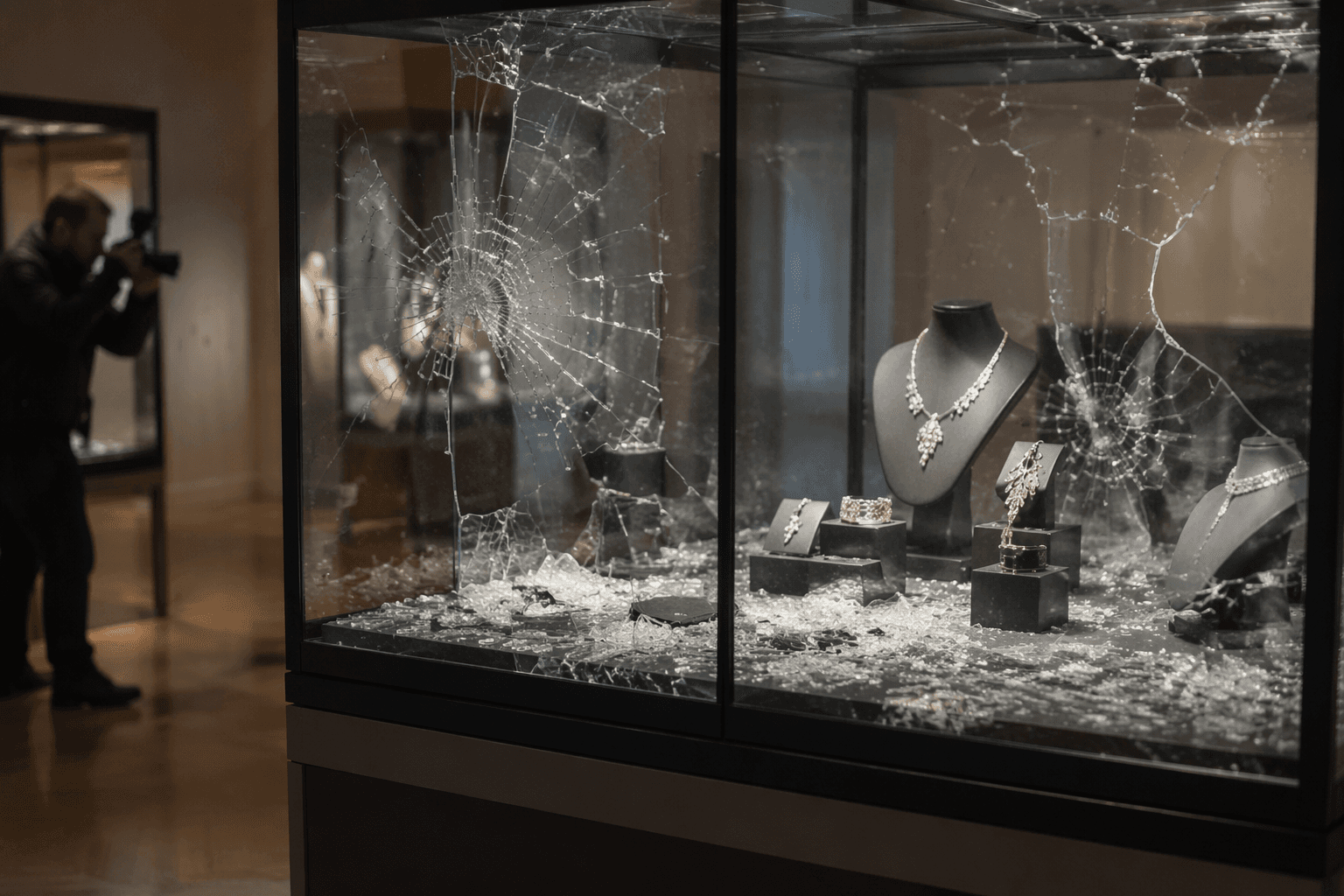
Investigators said the burglars smashed open six display cases and headed straight for the jewelry room. Around 20 pieces of jewelry were taken, though one tally put the total at 27. An alarm sounded, but a cleaning worker was the first person on the scene to call police after the security company checked the site. The speed of the break-in, and the precision of the target, underscored how little time museum security can have when a collection is concentrated into objects small enough to carry in a bag, yet valuable enough to disappear in minutes.
Musée Lalique is dedicated to René Lalique and his family’s work in glassmaking and jewelry, a legacy that reaches back to 1888 and remains central to French decorative arts. That combination of rarity, craftsmanship and cultural weight is exactly what makes historic jewelry collections so vulnerable: a few inches of metal, enamel and stones can embody more than a century of design history, while also concentrating exceptional resale value in a form that is easy to lift and hard to trace.
The Lalique theft landed less than a year after the October 19, 2025 jewel heist at the Louvre Museum, where eight pieces of the French Crown Jewels were stolen and valued at about €88 million, or $102 million. After that case, France ordered a security review of the Louvre and checks at other cultural sites, putting the pressure on museums to prove that exhibition, protection and access can coexist. Each new raid raises the cost of insurance, tightens the rules around display and loaned objects, and makes it harder for the public to see jewelry where it belongs, in the cases, under the lights and still in place.
This article was produced by Prism’s automated news system from verified source data, official records, and press releases, then run through automated quality and moderation checks before publishing. The system is built and supervised by the people who set the standards it runs under. Read our full AI policy.
Did this article answer your question?