One-of-a-Kind Jewelry and Ornate Shoes Define Spring Luxury
This spring’s smartest luxury buys are the kind that turn a plain tee or simple dress into a statement and still feel collectible years later.

The new luxury formula is simple: buy the piece that does the outfit for you
A pear-shaped aquamarine hanging from 18-karat gold can make a white T-shirt look considered. A square-toed loafer with a Medallion flourish can do the same for tailoring, denim or a black dress. That is the appeal of this spring’s best accessories: they are not background polish, but the main event, and they keep working long after the season’s first impulse has passed.
WWD’s spring accessorizing lens lands on exactly that idea, with one-of-a-kind jewelry and ornate shoes positioned as the smartest buys for dressing now. The logic is compelling because it is practical as much as it is glamorous. Pieces with strong silhouettes, distinctive stones and a recognizable design code do more than decorate an outfit. They change the tone of the entire wardrobe.
Why one-of-a-kind jewelry feels more wearable than ever
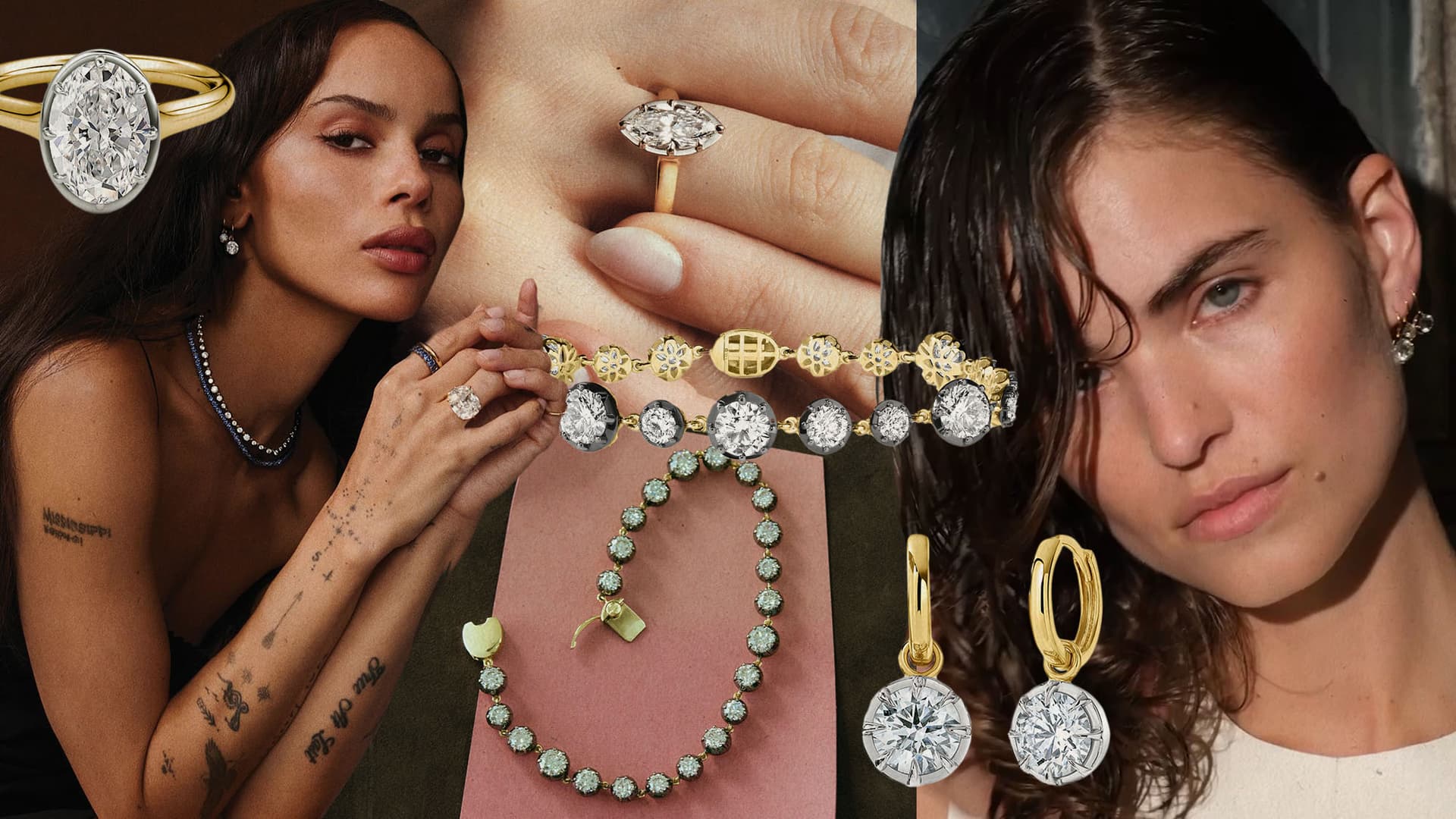
The standout jewelry in the mix is not precious only because of its materials, but because of its ability to collapse the distance between collectible and everyday. One image spotlights a Sabyasachi necklace in diamond, sapphire and apatite set in 18-karat gold, centered by a pear-shaped aquamarine and diamond pendant. Another features a Saidian Vintage Jewels necklace in 18-karat yellow gold with a pear-shaped emerald and diamond pendant. Both pieces share a useful trait that serious jewelry buyers understand immediately: a single, legible focal point.
That matters in daily wear. A pear-shaped stone creates movement without requiring excess size, and when it is framed by diamonds, the effect is sharpened rather than overwhelmed. These necklaces are ornate, but not in a way that confines them to evening clothes. Worn with a crisp shirt, a fine-gauge sweater or a simple column dress, they provide the kind of visual punctuation that makes an outfit feel finished.
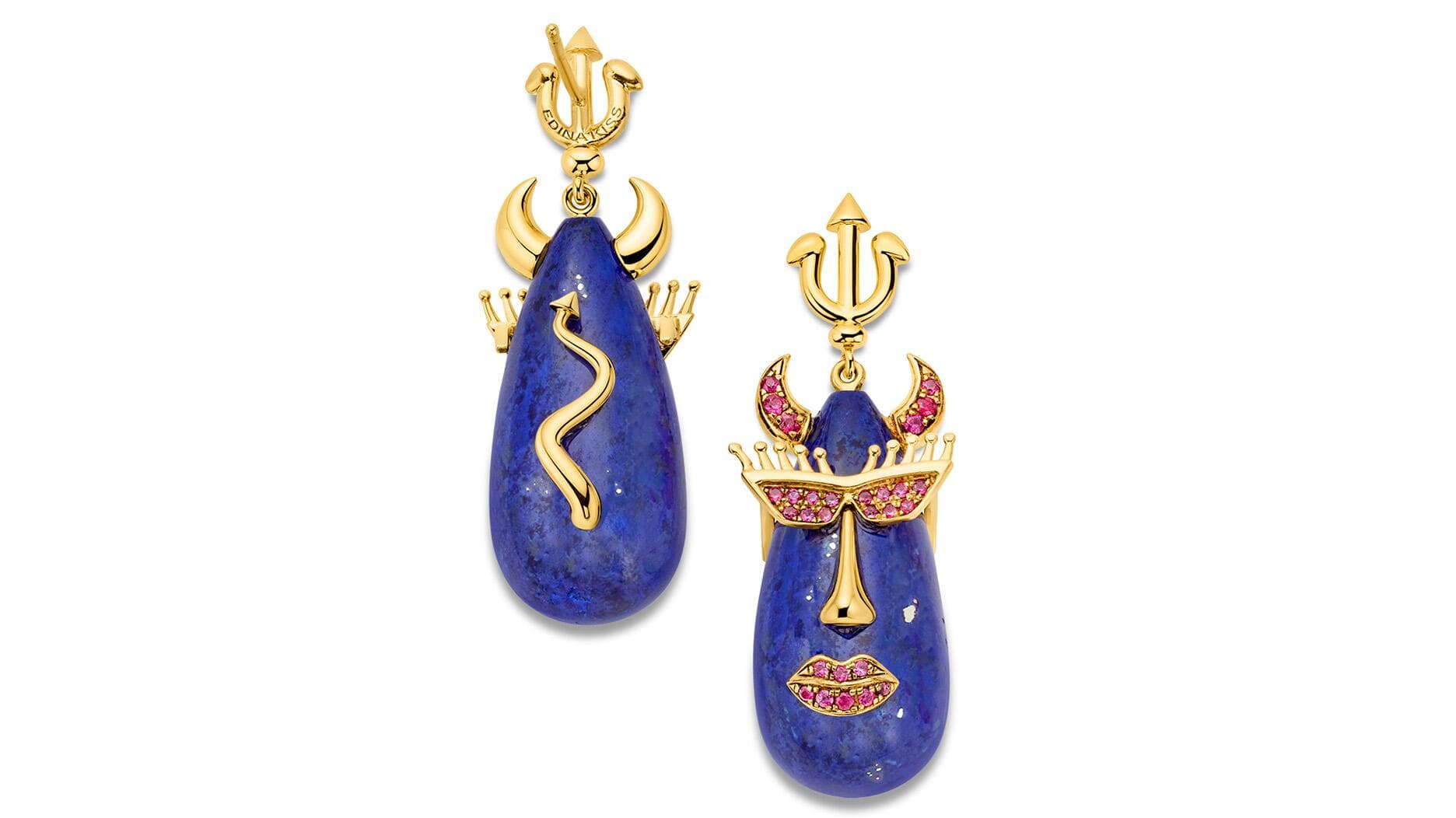
The investment angle is clear. One-of-a-kind pieces and limited vintage examples retain their emotional charge because they resist the sameness of mass jewelry. They also travel well across dress codes. The same necklace can anchor a lunch look, a boardroom blouse or a cocktail dress, which is why collectors keep returning to these shapes: they are dramatic, but not dependent on trend language to feel current.
The shoe that behaves like jewelry
Dior’s Médaillon loafer makes the same case in leather. Presented at Jonathan Anderson’s debut fashion show for the house, the shoe is rendered in two-tone lambskin, cut with a square toe and finished with a gold-detail Medallion signature. Dior describes that signature as channeling salon refinement through an 18th-century rococo lens, which gives the loafer a distinctly dressed-up intelligence.
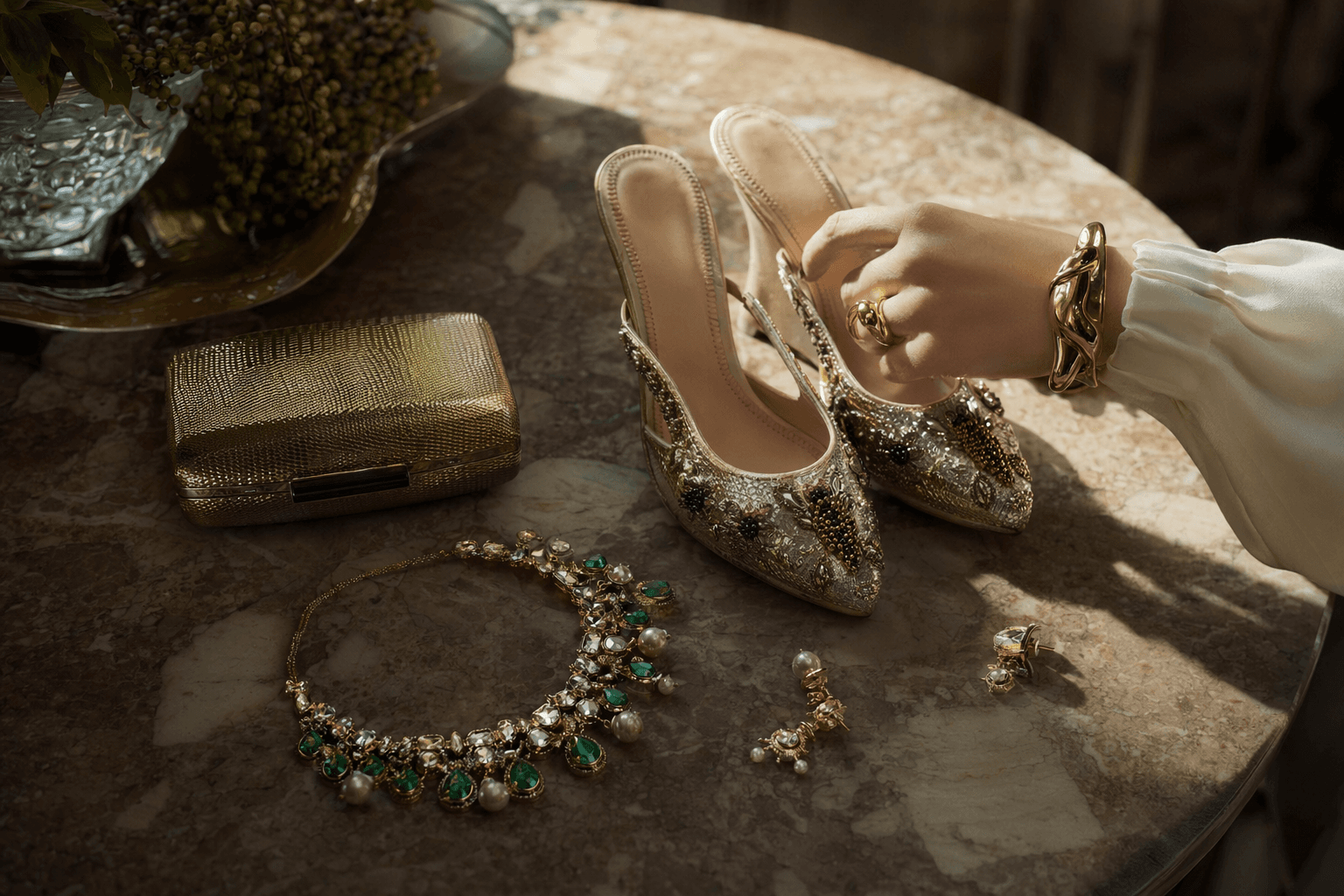
That combination is what separates it from an ordinary loafer. A square toe gives the silhouette a sharper, more architectural stance, while the gold-finish detail acts like the clasp on a bracelet or the setting on a pendant. It is ornament, but in a form that can still move through the day. On the right foot, it can soften a suit, sharpen cropped trousers, or make jeans feel deliberate instead of casual.
This is where the practical value of ornate shoes becomes obvious. A decorative shoe can carry a basic wardrobe farther than another neutral flat ever will. The Médaillon loafer works because it is rooted in a familiar category, yet altered enough to feel collectible. It is the kind of piece you wear repeatedly, not carefully stored away.
Jonathan Anderson’s Dior gives ornament a historical spine
Anderson’s Spring-Summer 2026 Dior collection is officially framed by the house as an exploration of heritage with empathy and wit, and that phrasing matters. The best luxury accessories rarely rely on decoration alone; they gain strength from a point of view. Here, Dior is using archive language not as nostalgia, but as renewal.
The show itself was staged with Luca Guadagnino and Stefano Baisi, and Dior’s own description turns the setting into part of the story. History flashed before guests, then imploded into a Dior shoe box, a theatrical image that makes an elegant argument for modern collecting: luxury is not meant to sit untouched, it is meant to be revisited, re-seen and worn back into life. LVMH also described the collection as drawing on a wunderkammer, a cabinet of curiosities filled with exceptional objects and natural wonders, which explains why the accessories feel less like accessories than treasures with a point of view.
Anderson’s Dior womenswear debut took place at Paris Fashion Week in October 2025, and the Spring-Summer 2026 pieces later moved into boutiques. That sequence matters because it shows the collection was never meant to remain theoretical. It was designed to live on bodies, in wardrobes and in real closets, where the best accessories prove their worth.
The Medallion idea extends beyond one loafer
The Médaillon loafer is not a standalone flourish. Dior’s Spring-Summer 2026 Medallion capsule expanded the same motif across ready-to-wear, bags, shoes and accessories, drawing from the Medallion chair and extending the house’s design language across categories. That breadth gives the story commercial weight, but it also gives it coherence. When a house repeats a symbol across multiple objects, it tells you the detail is not decorative noise. It is a code.
For a buyer, that means the Medallion theme has real staying power. A motif that appears on a loafer, then echoes through bags and accessories, has more long-term wardrobe value than a one-off seasonal embellishment. It suggests continuity, which is exactly what makes an accessory worth paying attention to when the goal is to wear it with basics and keep wearing it after the season changes.
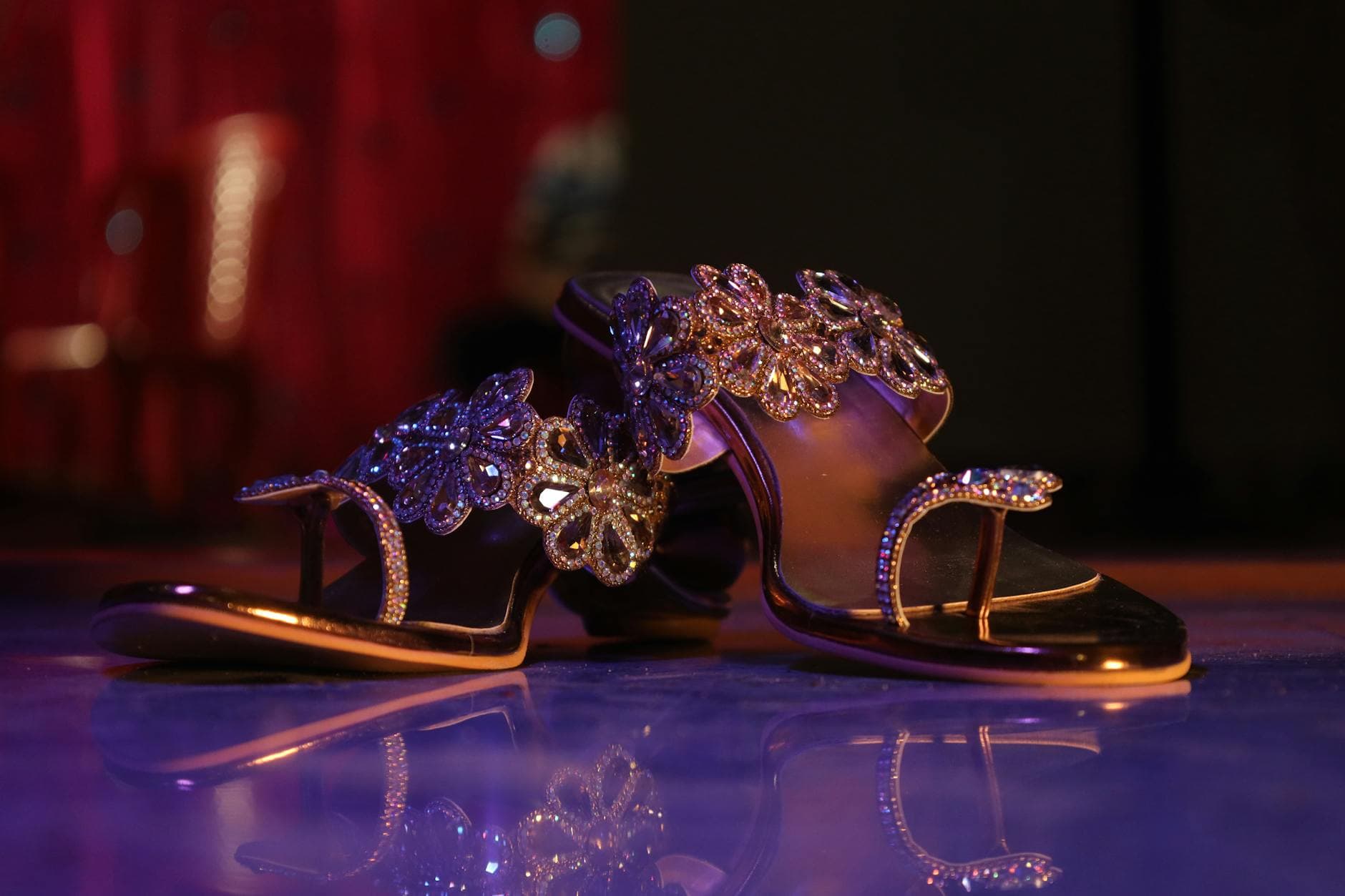
How to wear the pieces now, and keep wearing them later
The smartest styling is not complicated. It is strategic.
- Pair a sculptural necklace with a plain tee and tailored trousers, so the stone becomes the focal point instead of competing with print or pattern.
- Wear a standout pendant with a simple dress in black, ivory or navy, where the stone color can actually register.
- Use the Médaillon loafer with cropped tailoring or straight-leg denim to let the square toe and gold detail read clearly.
- Treat one ornate piece at a time as the center of gravity. Too many statements at once can flatten the impact.
That restraint is what gives these objects their value. The jewelry and shoes that matter most this spring are not the loudest pieces in the room. They are the ones that sharpen everything around them, and that kind of usefulness is what turns a beautiful purchase into a lasting one.
In the end, the season’s most persuasive luxury is not about accumulation. It is about choosing one object with enough craftsmanship, history and presence to make the rest of your wardrobe feel newly edited.
Know something we missed? Have a correction or additional information?
Submit a Tip