PVD Plating and Nano Coatings Transform Everyday Jewelry Durability
PVD and nano/ceramic finishes form atom‑by‑atom, highly adherent films, they rarely peel, wear slowly, and can materially extend the life of everyday jewelry.
1. What this guide covers and why it matters
This practical guide explains PVD (physical vapor deposition) plating, e‑coating and nano/ceramic protective finishes and why they matter for daily-wear jewelry. Jewelry that lives on the body, rings, pendants, bracelets, faces friction, moisture and chemicals; understanding how modern coatings are engineered changes how you choose and care for pieces meant to be worn every day.
2. Defining PVD: an engineer’s answer in consumer terms
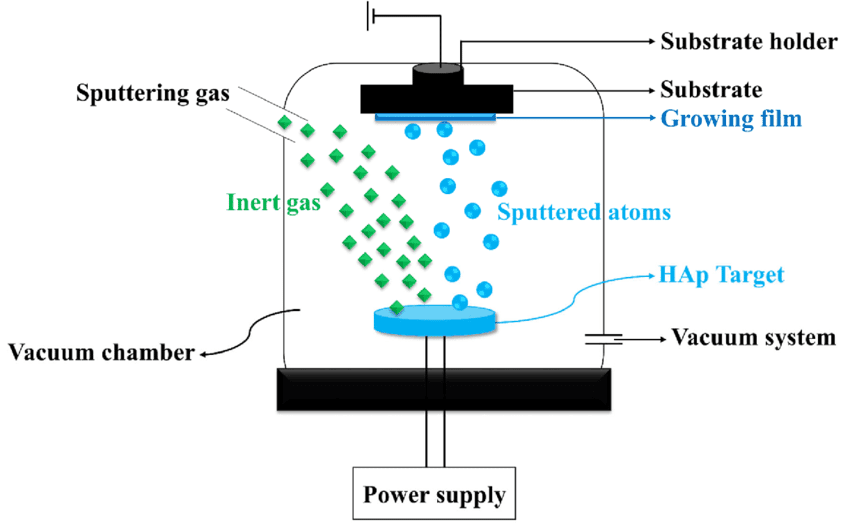
"Physical Vapor Deposition (PVD), a cutting-edge, eco-friendly vacuum metalizing technique," is a concise way to name the process many jewelry houses now use to add durable color and finish. Vem-co is explicit: "PVD coating is a vacuum-based process that uses sputtering or evaporation to deposit thin films of high-purity metals or metal compounds." In plain terms: atoms are placed on the surface in a controlled vacuum so the finish becomes part of the object, not a layer that sits loosely on top.
3. How PVD bonds and why microstructure matters
"Because PVD coatings are built atom-by-atom, their structure is significantly denser than coatings that rely on chemical baths or plating." That dense, uniform microstructure produces films that "bond strongly to the substrate, creating a dense, uniform, highly adherent layer." For wearables this means finishes that resist the classic failures, peel, flake, or chip, and instead wear by slow abrasion over time.
4. The reality of wear: durable, but not invincible
"The short answer: Yes, PVD coatings can wear over time, but they do so slowly and only under specific conditions." Vem-co continues: "PVD coatings do not peel, flake, or chip under normal use. Instead, they gradually wear down over long periods of friction, abrasion, or extreme environmental exposure. In most applications, the coating outlives the product itself." In practice, expect gradual thinning at high-contact points (ring shanks, bracelet clasps) rather than sudden failure.
5. Which materials are used and what they bring to the finish
Coating chemistries matter. Common hard, decorative nitrides named in the technical literature include "Titanium nitride (TiN), chromium nitride (CrN), and aluminum titanium nitride (AlTiN)." For metal-look finishes, sputtering targets such as "Chromium, Zirconium, and Titanium" can be used to achieve specific lusters and colors. Different chemistries carry different hardness, oxidation resistance and color palettes, choices that determine scratch resistance and long-term tone.
6. What determines how long a PVD finish lasts
Vem-co provides a clear checklist: "The rate of wear depends on: 1. Environmental and mechanical stress; 2. Coating material; 3. Film thickness and uniformity." In addition, premature failures trace to process or contamination issues: "Surface contamination reduces adhesion. Impurities cause defects that weaken the film. Incorrect temperature, power, or vacuum conditions lead to non-uniform films. A thin film may not withstand heavy mechanical loads." In short: both material selection and manufacturing discipline define longevity.
7. Where PVD shines in everyday and luxury contexts
Vendors emphasize decorative and precision applications: PVD is used across "bathroom finishes, kitchen cutlery, and plastic automotive parts" and for high-precision sectors including luxury watches and even astronomy instruments. Marketing language captures the crossover appeal: "PVD decorative coatings combine elegant design with exceptional durability, making them an ideal choice for those who prioritize both style and substance." For jewelry, that translates to consistent color, high polish options and finishes that read like solid metal rather than paint.
8. How PVD stacks up against traditional finishes and peers
PVD is presented as superior in several ways: it offers "unparalleled benefits in terms of colors, textures, precision, and functionality over traditional decorative coating methods such as brushing, dipping, spraying, and electrophoresis." Vem-co reinforces this from an engineering angle, because of the denser, atom-by-atom film, PVD "typically outperform[s] traditional plating and many chemical-based finishes" in demanding applications. The Original Report also signals that e‑coating and nano/ceramic finishes are meaningful alternatives for daily-wear jewelry, though the provided excerpt does not supply direct performance comparisons.
- Which coating chemistry is used (TiN, CrN, AlTiN, or titanium/zirconium/chromium sputtered layers)? Different names imply different hardness and oxidation behavior.
- What is the film thickness and how is uniformity verified? Thickness and uniformity were listed explicitly as determinative of wear rates.
- What substrate preparation and adhesion controls are in place? Surface contamination and impurities were called out as causes of premature wear.
- Can they share process controls or test data (Taber abrasion, adhesion tests, or real-world wear trials)? The supplied sources note that incorrect temperature, power, or vacuum conditions create non‑uniform films and failures, so production control matters.
9. Practical questions to ask before you buy
When a jeweler or brand advertises PVD or nano/ceramic protection, request specifics that matter to performance:
10. Repairs, testing and the missing measurements
The supplied material is explicit about gaps: typical jewelry film thickness ranges, measured lifetimes in months/years, and direct quantitative comparisons between PVD, e‑coating and nano/ceramic finishes are not provided. For now, treat PVD as a materials‑science upgrade that generally "outlives the product" but demand objective metrics from suppliers, standardized abrasion tests, salt spray for corrosion resistance, and documented field returns will tell you how a given finish performs on a ring versus a pendant.
11. Environmental and quality‑control considerations
Photonexport calls PVD "a cutting-edge, eco-friendly vacuum metalizing technique," which frames a sustainability advantage relative to chemical baths. That environmental claim does not negate the fact that PVD is a technical process requiring careful temperature, power and vacuum control; as Vem-co warns, improper parameters lead to non-uniform films and weakened adhesion. Choose partners who can demonstrate clean-room preparation, controlled sputtering parameters and contamination controls.
12. A concise verdict for everyday-wear jewelry
PVD is not a marketing trick, it's a deposition technology whose dense, atom-by-atom films fundamentally change how color and durability coexist. Vem-co’s practical summary, "PVD coatings do not peel, flake, or chip under normal use" and "in most applications, the coating outlives the product itself", captures the advantage: when properly applied, PVD moves a plated finish from a fragile surface treatment to a long-lived functional layer. That said, demand data: chemistry, thickness, test results and documented real-world returns should guide purchase decisions, because process control is where the promise either holds or fails.
13. What to watch for next
If jewelry brands continue to invest in engineered finishes, the next step for buyers and editors is measurable transparency: film-thickness specs, standardized wear tests and refurbishment pathways. Until those numbers become routine in product listings, treat PVD and nano/ceramic claims as technically promising but contingent on manufacturing quality, the difference between a finish that slowly wears and one that truly outlives the piece will be written in nanometers and vacuum logs, not only in marketing copy.
This article was produced by Prism’s automated news system from verified source data, official records, and press releases, then run through automated quality and moderation checks before publishing. The system is built and supervised by the people who set the standards it runs under. Read our full AI policy.
Did this article answer your question?