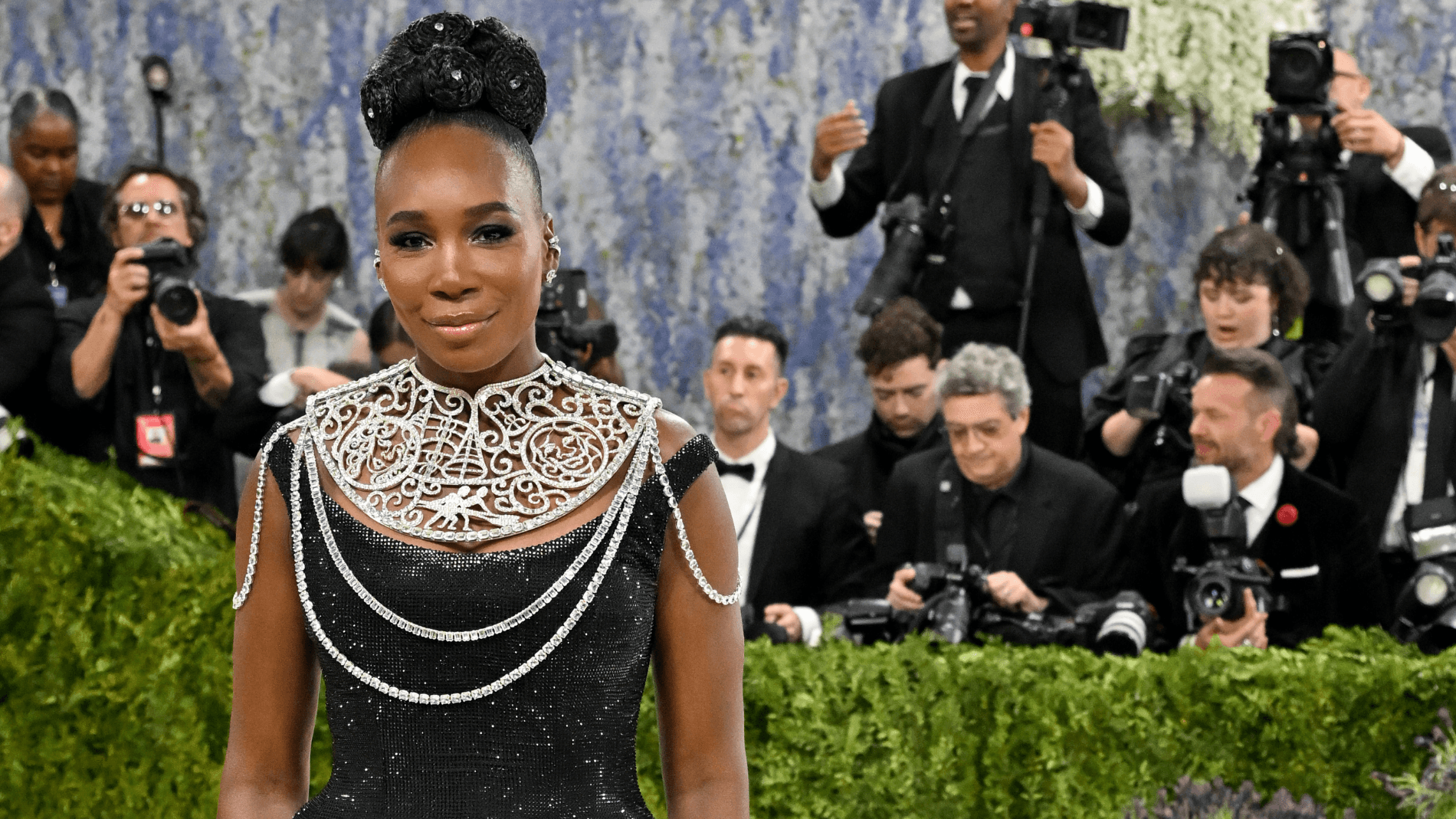
Record gold prices boost vintage jewelry and heirloom sales
Record gold prices are making vintage jewelry easier to justify and easier to resell. The smartest buys now are distinctive pieces with strong hallmarks, honest condition, and low repair risk.
Why gold’s climb is changing what feels worth buying
When gold moves this high, the logic of jewelry changes. A piece is no longer judged only by sparkle or status, but by how much substance it carries, how gracefully it wears, and how readily it can hold value if you eventually part with it. The World Gold Council said the LBMA gold price averaged US$2,860 an ounce in the first quarter of 2025, up 38 percent year over year, while total gold demand in value terms nearly matched the previous quarter’s record of US$111 billion. That same price pressure also pushed gold jewelry demand to its lowest quarterly volume since 2020, which helps explain why more attention is shifting toward vintage, antique, and heirloom pieces already in circulation.
There is a clear split in the market: newly made gold jewelry is under pressure, while older pieces with character are attracting more interest. Antique jewelry has expanded in popularity, Sotheby’s says, and the reasons are as practical as they are romantic. Scarcity, exclusivity, and distinctiveness matter more when buyers want something that feels personal rather than generic. In a high-gold environment, a well-made vintage bracelet or ring can satisfy both instincts at once: it is wearable now, and it still has a strong materials story underneath the design.
The pieces that make sense on the body and on the balance sheet
The best vintage buys are the ones that look deliberate in daily life, not costume-like or overworked. A slim Cartier bangle, a pair of Tiffany & Co. hoops, a Bulgari link necklace, or a Van Cleef & Arpels pendant can slide into a modern wardrobe because the names carry design discipline as much as prestige. Sotheby’s vintage-jewelry shop, with pieces from Cartier, Van Cleef & Arpels, Tiffany & Co., Bulgari, and others, underscores a useful truth: heritage-brand jewelry tends to travel well across decades because the proportions are often elegant, the making is exacting, and the silhouettes rarely feel trapped in one season.
That is the wearable-value sweet spot. You want a piece that can be layered with a plain chain, worn with a white shirt, or anchored in a stack without looking precious in the untouchable sense. You also want the sort of object a future buyer can understand at a glance. A clean Art Deco ring, a Byzantine-inspired chain, or a mid-century gold cuff has a visual language that reads instantly, which usually helps on resale as much as on first wear.
What to check before you buy
The fastest way to separate a strong vintage purchase from a risky one is to inspect the object like a jeweler would.
- Hallmarks and maker marks: Look for stamps that confirm metal purity and origin, plus signatures from established houses when present. A clear Cartier, Tiffany & Co., Bulgari, or Van Cleef & Arpels mark can add confidence because it connects the piece to a known workshop and design lineage.
- Condition: Check clasp security, prong wear, hinge tension, and stone stability. A beautiful piece with weakened settings can become expensive very quickly once repairs begin.
- Repair risk: Enamel loss, stretched chains, chipped stones, and worn-down prongs can erode the deal. The older and more intricate the design, the more important it is to assess whether restoration will preserve the piece or flatten its character.
- Construction: Heavy, well-joined links and solid backs usually wear better than delicate, hollow forms. Gold weight matters, but craftsmanship matters just as much.
- Provenance and documentation: Auction records, invoices, or family history can all help establish credibility. In a market where scarcity and distinctiveness are prized, proof can be part of the value.
The question is not simply whether the piece is old. It is whether the object still has structural integrity, recognizable design, and enough desirability to justify the cost of ownership.
Why heirloom jewelry feels newly relevant
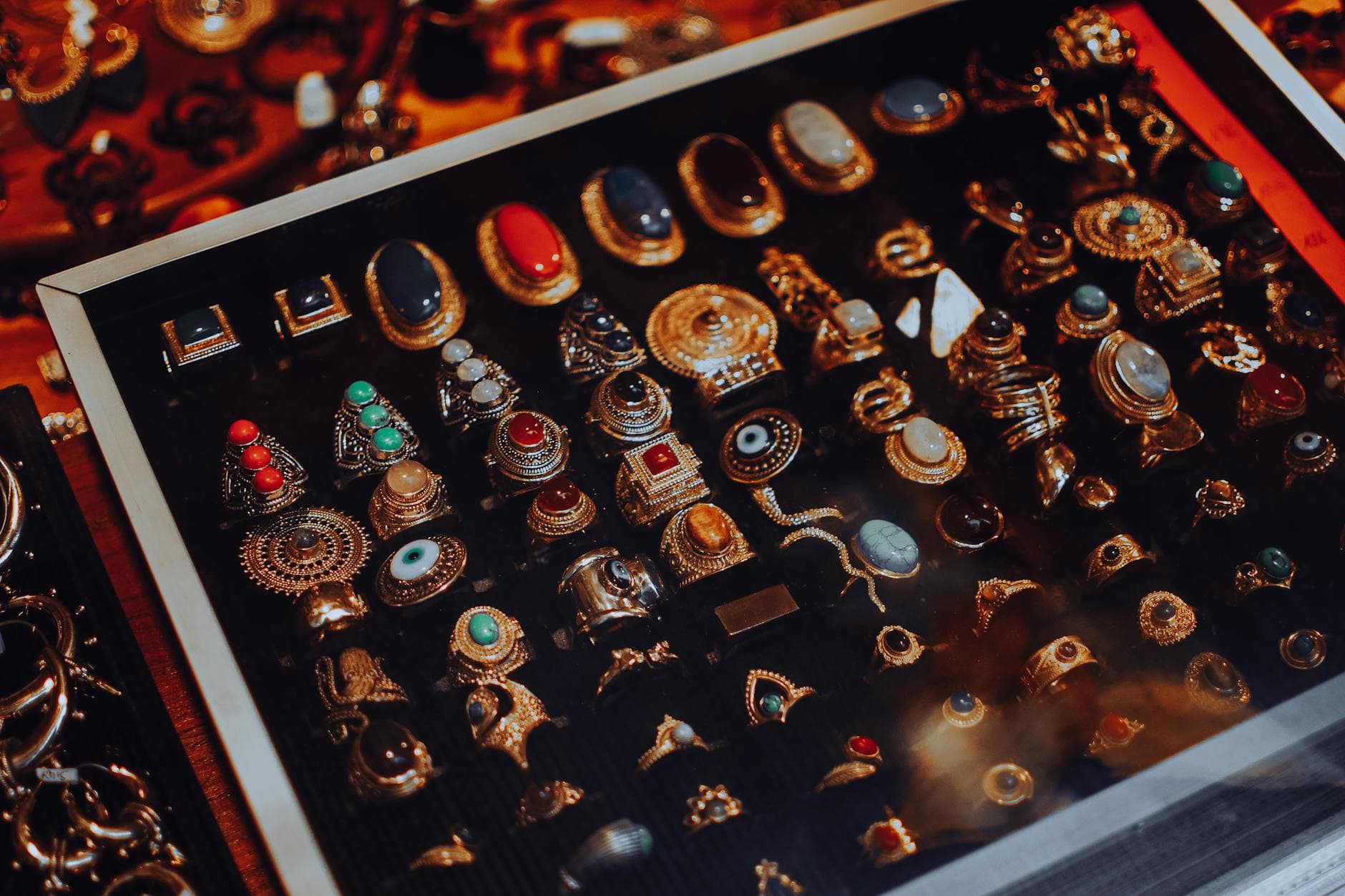
Heirlooms are having a moment because they sit between sentiment and utility. They already carry a story, which gives them emotional gravity, but they also feel grounded in a market where gold has become expensive enough to make many buyers pause. That combination is especially powerful when family pieces are distinctive rather than purely weight-based. A gold chain with a recognizable maker’s stamp, a ring with a period-cut center stone, or a brooch with unusual workmanship is likely to feel more compelling than a plain lump of metal, even if both contain similar gold content.
The auction market reflects that appetite. Christie’s said its Jewels category drove growth of 25 percent in the first half of 2025, and it reported selling nine of the top 10 jewels at auction during that period. One standout result, a Van Cleef & Arpels Ruby and Diamond Mystery-set Brooch, brought $1,562,500, nearly three times its high estimate of $600,000. That kind of result does more than make headlines. It shows how design rarity and maker prestige can overpower simple melt value, especially when the piece is exceptional.
What feels current now
The strongest heirloom categories are the ones that already look edited. Long gold chains, signet rings, elegant brooches, and compact gemstone pieces feel especially right because they can be worn alone or integrated into a modern stack. Antique jewelry, in particular, has gained traction because it offers what new jewelry often cannot: patina, craftsmanship, and a sense that the object has already lived a life.
Rebag’s 2025 Clair Report adds another layer to the story. Rising global tariffs pushed more shoppers toward resale, reinforcing the idea that the secondary market is not just a fallback, but a destination. In that environment, pieces with clean lines, known names, and strong condition tend to stand out. They are easy to understand, easy to style, and easier to justify when the price of new gold keeps climbing.
How to think about selling
If you are deciding whether to keep or cash in a family piece, separate sentiment from market logic. Gold-heavy jewelry can benefit from elevated bullion prices, but the most valuable items are not always the heaviest ones. Maker, age, scarcity, and condition can matter more than ounces alone. A vintage brooch with a major house signature, a period ring with intact stones, or a well-documented antique bracelet may command far more than its melt value would suggest.
That is why the current market is so revealing. High gold prices have raised the floor, but they have also sharpened the premium for design. The pieces most likely to hold their ground are the ones that wear beautifully now and still make sense when viewed through a resale lens later. In this market, the strongest jewelry is never just precious metal. It is a recognizable object with character, proof, and enough polish to survive another generation.
Know something we missed? Have a correction or additional information?
Submit a Tip