Traceability, Certifications and Resale Values Drive Sustainable Jewelry Market 2026
Buyers now demand chain-of-custody proof, S925 or microns on plating, and are paying a 10–30% premium for sustainable pieces backed by blockchain traceability and verified certifications.
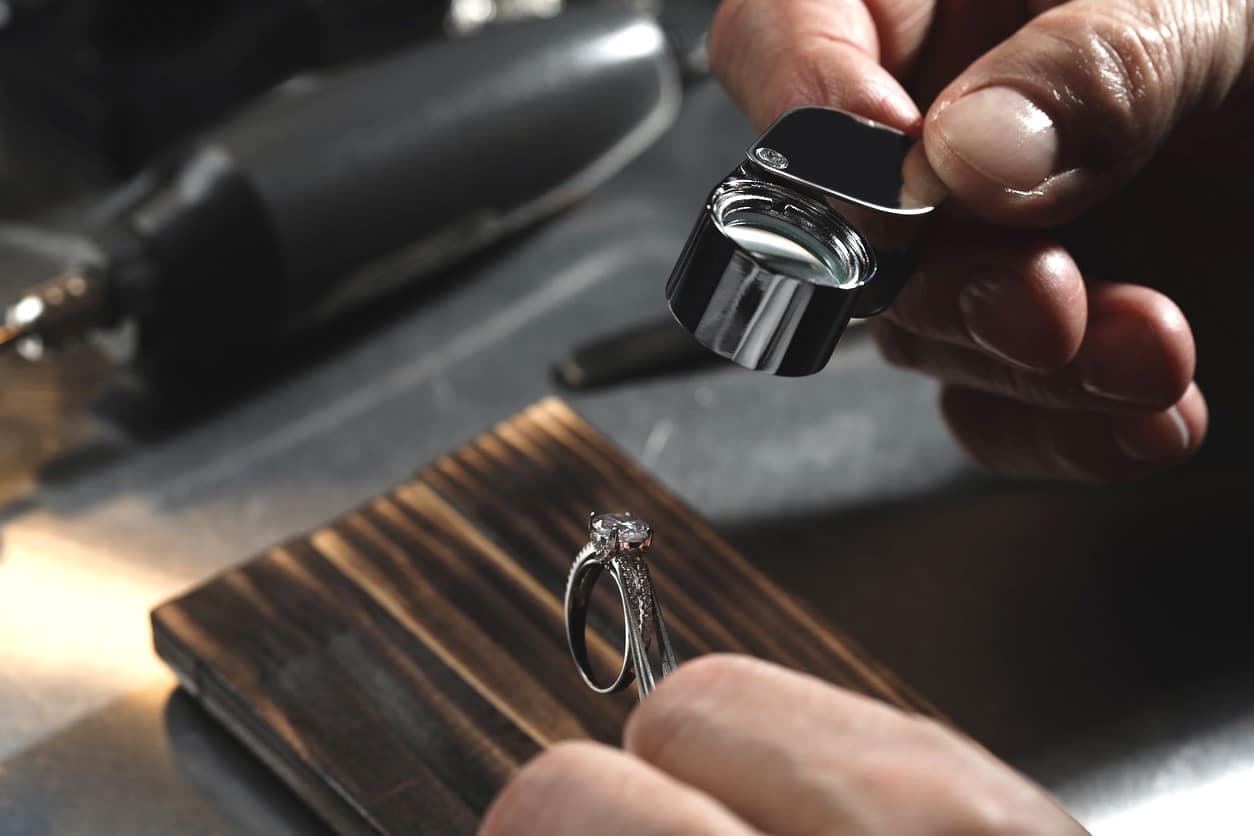
Traceability, certifications and resale values are reshaping fine and everyday jewelry after an industry primer published February 18, 2026 framed sustainability as a central buying criterion. Consumers are entering stores armed with specific questions: “Does the brand specify S925? Does it mention microns of gold plating? Is stainless steel surgical‑grade?” That checklist has moved material stamps and supplier transparency from marketing copy to purchase prerequisites.
Materials that qualify as eco‑friendly are now defined with names and numbers. Recycled gold and recycled silver appear across brand catalogs, gold vermeil and surgical‑grade stainless steel are cited as durable options, and lab‑grown diamonds and lab‑grown emeralds are mainstream alternatives to newly mined stones. One explicit claim circulating in the market holds that recycled precious metals can reduce environmental impact by up to 95% while maintaining identical quality to newly mined materials; brands and buyers alike are being asked to produce the life‑cycle assessment that underpins that figure.
Price signals are clear: sustainable jewelry often carries a premium. Retail analyses show a 10–30% markup for pieces that adhere to ethical sourcing and fair labor practices, and the market spans from $15 fair‑trade items to $50,000 plus luxury commissions, with many brands positioning most SKUs between $50 and $200. Shoppers balancing cost and conviction are advised to weigh certifications such as Fairtrade Gold, Responsible Jewellery Council accreditation and B Corp status when evaluating long‑term resale value.
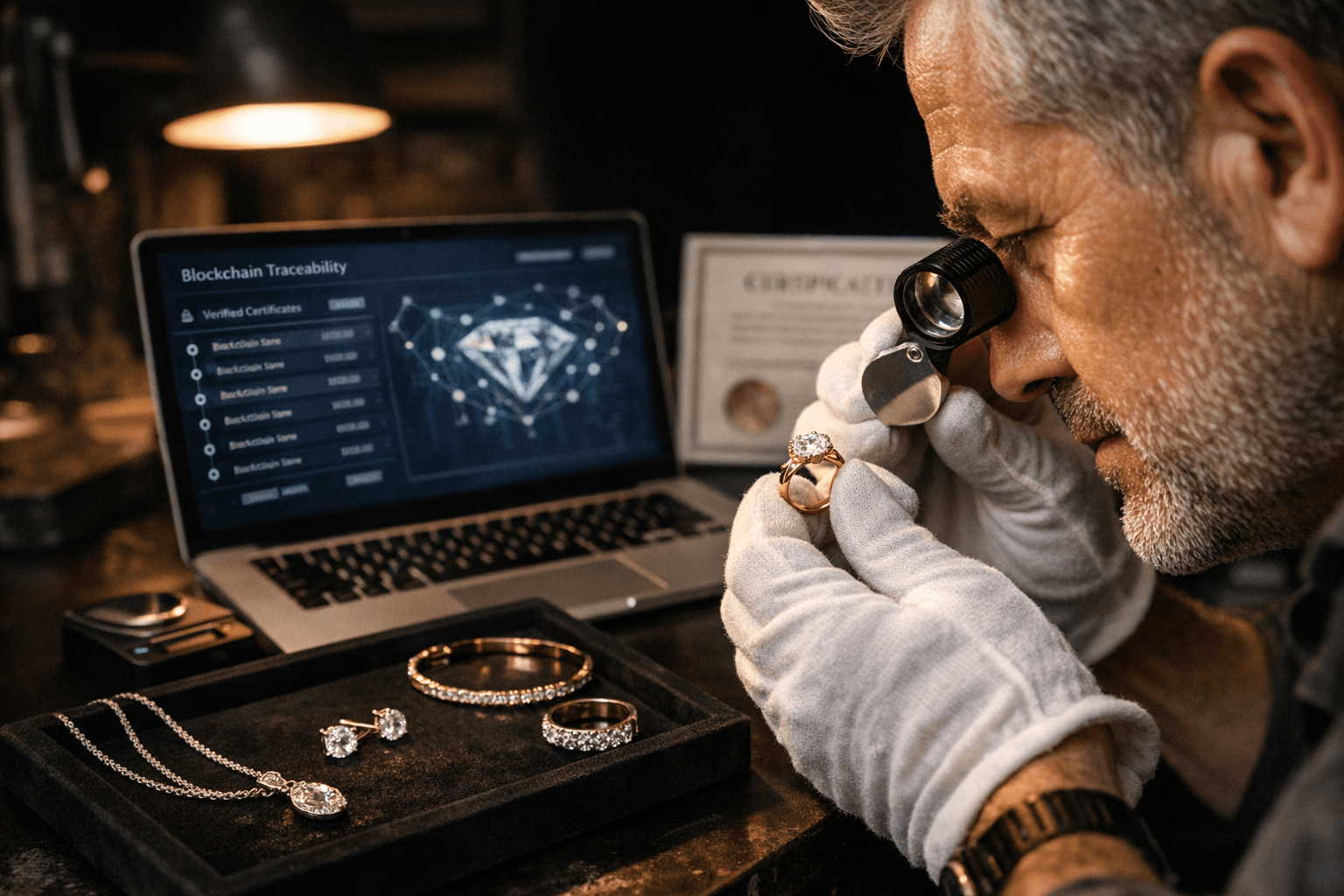
Technology is one of the most visible changes on the shop floor. “Technology Enables Complete Transparency: Blockchain tracking and AI‑powered design are revolutionizing the industry in 2025, allowing consumers to trace their jewelry from mine to market while reducing production waste through optimized manufacturing processes,” a leading trade source noted. Buyers should ask brands which ledger or platform is used, whether traceability is third‑party verified, and for the granularity of mine‑to‑retail records before accepting blockchain claims as proof.
Design houses and social impact models are testing new business formulas. AKIND markets lab‑grown diamonds and emeralds, Carolinne B specializes in upcycled gemstones, and MAZARIN donates 10% of sales from its LUCKY ELEPHANT collection to the Big Life Foundation, which supports preservation of 160,000 hectares of East African wilderness. Product examples such as the Lucky Elephant 18K Gold Necklace with Lab‑Grown Diamonds illustrate how conservation pledges, provenance and product design are bundled for conscientious buyers.
Circular practices are being codified into buyer behavior and seller services. Repair and restore options at local jewelers, repurposing strategies, turn a gold necklace into a bracelet or reframe loose stones into modern studs, and clear packaging standards such as FSC‑certified or recycled boxes are now part of practical sustainability. The market’s new arithmetic is straightforward: verify material purity stamps and microns, demand chain‑of‑custody documentation and certifications, and expect to pay a modest premium for pieces that promise both ethical sourcing and durable resale value. In this quiet revolution, sustainability is not a trend. It is the new definition of modern elegance.
This article was produced by Prism’s automated news system from verified source data, official records, and press releases, then run through automated quality and moderation checks before publishing. The system is built and supervised by the people who set the standards it runs under. Read our full AI policy.
Did this article answer your question?