Vintage estate jewelry and tasseled necklaces define 2026 style shift
Vintage jewels and tasseled necklaces are replacing quiet-luxury uniformity with pieces that carry personality, provenance, and real day-to-day wear.
The new jewelry mood
The clearest style shift for 2026 is not about more sparkle. It is about pieces that feel lived in, storied, and personal: vintage estate jewelry on one side, tasseled necklaces on the other. Together they mark a turn away from the blank-polished language of quiet luxury and toward jewelry that reads as self-expression, not decoration for decoration’s sake.
That shift is visible across the market. WWD’s spring 2026 Paris Fashion Week coverage centered on self-expression, heirloom-like pieces, nostalgia, color, and modern takes on pearls. Who What Wear identified tasseled details as one of the defining jewelry trends of 2026, while buyers speaking to WWD said clients want accessories with personality and longevity, plus craftsmanship and material quality over logos.
Why vintage estate jewelry is back in the rotation
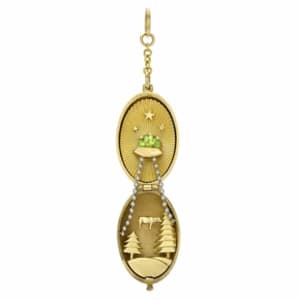
Estate jewelry is having a moment because it answers two desires at once: the wish for something distinctive, and the wish for something that already carries a history. JCK reported that almost 7,000 people attended NYCJAOS in November 2025, enough momentum to justify a Jan. 23 to 25, 2026 edition at the New York Hilton Midtown. That is not the behavior of a novelty market. It is the behavior of collectors and everyday buyers moving with purpose toward old stones, older silhouettes, and the feeling that a jewel should have lived before it lives with you.
The category also has cultural tailwinds. JCK linked the surge to Taylor Swift’s antique-style engagement ring and to the continued rise of brooches, while Rebag’s Clair Report pointed to 2025 tariff shifts as another push toward antique, vintage, and resale jewelry. L’Officiel USA gave the aesthetic argument more depth, noting how Spring/Summer 2026 jewelry leaned into archive and heirloom references, from eighteenth-century portrait miniatures reworked by Dior to “sleeping beauties” revived through upcycling and heirloom transformation at Elie Top, Hemmerle, and Buccellati.
Wearability test: who it suits, how often to wear it, what it becomes
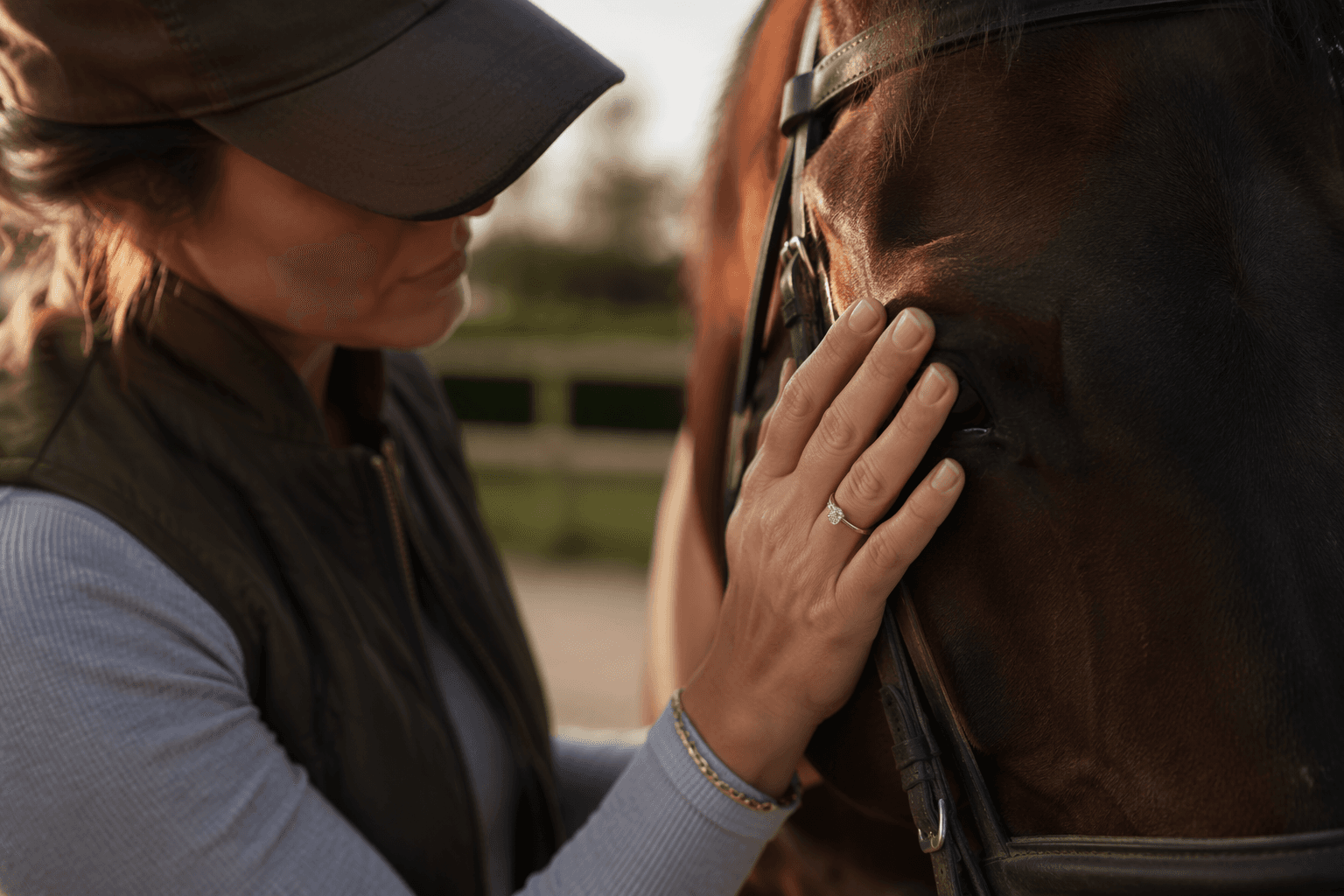
Estate jewelry is best for the dresser who likes nuance over novelty. It suits someone drawn to texture, asymmetry, and stones with visible character, whether that means a diamond cluster ring with old-cut fire, a brooch pinned to a blazer, or a pendant that looks more found than manufactured. It can be worn often if the scale is modest and the mounting is secure. A low-profile ring or a petite pendant can disappear into daily life; a large brooch or a highly ornamental cocktail ring remains more occasional, though no less compelling.
Its enduring appeal comes from structure as much as sentiment. A bezel-set stone feels integrated and practical, especially for frequent wear. Prong settings expose more of the stone and often create more light return, but they also demand more vigilance. For real life, the most versatile estate pieces are the ones that feel exacting rather than fragile. They look timeless because they already belong to more than one era.
The right kind of statement: tasseled necklaces
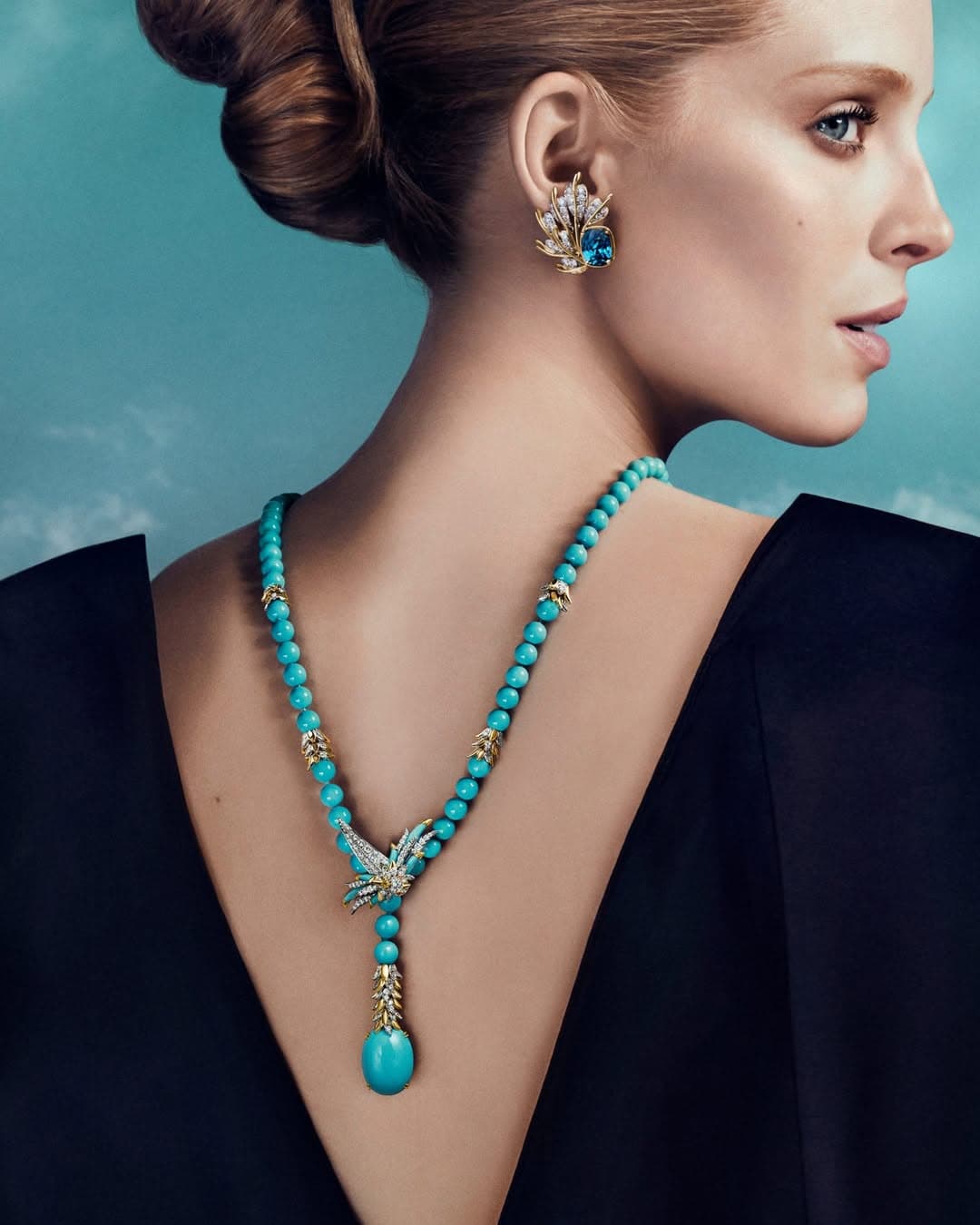
If vintage jewelry speaks in provenance, tasseled necklaces speak in movement. This is not the kind of fringe that belongs only on a runway. The versions with repeat-wear potential are the ones that use tassel detail to animate a pendant, soften a neckline, or give a long chain a little theatrical swing without tipping into costume.
Who What Wear placed tassel details among the jewelry trends defining 2026, and that tracks with the broader move toward accessories that feel less rigid and more expressive. A tassel can be polished or bohemian, depending on execution. Fine chains with a restrained tassel feel elegant with tailoring. Beaded or mixed-metal versions lean more relaxed. What matters is proportion: too much length, too much volume, and the necklace becomes a stage piece. Keep the lines clean and the tassel disciplined, and it becomes surprisingly wearable.
Wearability test: who it suits, how often to wear it, what it becomes
Tasseled necklaces suit the dresser who wants a little motion in a look that would otherwise be minimal. They work especially well with open collars, scoop necks, and simple knitwear, where the movement has room to register. They can be worn several times a week if the tassel is slim and the materials are durable. A dense or oversized tassel is more fashion-forward, less daily.
The most timeless tassel pieces borrow from vintage codes without becoming literal. A long necklace with a subtle drop can read elegantly for years. A loud, heavily embellished tassel that depends on trend styling is another matter: it may photograph beautifully now and feel date-stamped later. The difference is restraint.
What the buyers are really telling you
The retail language around 2026 jewelry is unusually consistent. Tiziana Fausti of 10 Corso Como described clients as wanting accessories with personality and longevity. Sara Wong at Selfridges said shoppers are prioritizing craftsmanship and material quality over logos. Tiffany Hsu at Mytheresa framed the appetite in similar terms, saying customers want accessories that feel personal, elevated, and enduring.
That matters because it explains why these two trends, vintage estate jewelry and tasseled necklaces, are the ones worth taking seriously. Both offer individuality without requiring a total wardrobe rewrite. Both work with day clothes, not just occasion dressing. And both reward the buyer who looks for design intelligence rather than headline value.
Jewelry as value, not just style
There is also a quieter financial argument behind the shift. CNBC reported that wealthy consumers are increasingly treating jewelry as a tangible asset in a volatile market, and that a Tiffany & Co. necklace featuring a 13.54-carat Paraiba-type tourmaline and diamonds sold at Christie’s for more than $4.2 million, about 10 times its low estimate. Jacqueline DiSante, Thorne Perkin, and Mario Ortelli all framed jewelry as a portable store of value in uncertain times.
That does not mean every necklace should be read like a balance-sheet entry. It does mean provenance, rarity, and workmanship are more than romantic talking points. They are part of why certain pieces hold attention, and often value, long after a trend has moved on.
How to wear the shift now
The easiest way to translate the 2026 jewelry mood into real life is to let one piece do the talking. Pair a vintage estate brooch with a blazer and jeans. Wear an antique-inspired pendant with a white shirt and let the chain sit low enough to feel deliberate. Choose a tasseled necklace that adds motion to a plain knit instead of competing with print or volume. PORTER’s point about daytime diamonds worn with denim, tees, and tailoring applies here too: the best jewelry now is not waiting for evening.
Emma Stone, Zoë Kravitz, and Alexa Chung have helped push the single arm cuff back into view, but the lasting lesson is broader than one accessory. The strongest jewelry direction for 2026 is not maximalism for its own sake. It is a return to pieces that carry memory, have a point of view, and can still earn their place in an ordinary week.
This article was produced by Prism’s automated news system from verified source data, official records, and press releases, then run through automated quality and moderation checks before publishing. The system is built and supervised by the people who set the standards it runs under. Read our full AI policy.
Did this article answer your question?