Why pendant and charm necklaces are the new everyday staple
Pendant and charm necklaces turn meaning into daily polish, with a design language that runs from ancient crescents to modern, customizable fine chains.
Why the category feels different now
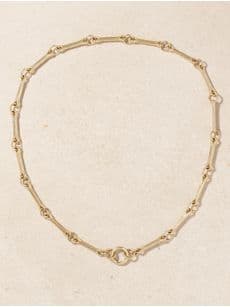
Pendant and charm necklaces work because they solve a styling problem: they make jewelry feel personal without turning it fussy. A single symbolic charm, a clean pendant silhouette, or a fine chain with one focal point can carry enough personality for everyday wear, then still look deliberate with a sharper blouse or jacket. That balance is exactly why the category keeps resurfacing in polished wardrobes: it reads curated, not cluttered.
NET-A-PORTER’s current charms-and-pendants edit captures that shift well. The selection is framed as a way to express a unique sense of style through symbolic charms and fine necklaces, with in-demand names like David Yurman and Foundrae in the mix. The message is clear: this is not about piling on decoration, but about choosing one object that says something and letting the rest of the look stay composed.
The design formula: meaning, scale, and chain
The strongest pendant necklaces usually do three things at once. They carry a symbol that matters, they keep the silhouette clean enough to wear often, and they sit at a length that works with real clothes, not just jewelry-box theory. If the charm is sentimental, the shape should still feel refined. If the pendant is graphic, the chain should keep it from reading heavy.
Start with meaning, but edit ruthlessly. One pendant with a clear symbolic charge often feels more elegant than several competing ideas at once. A crescent, a medallion, a tiny token, or a detailed charm can all work, but the best daily piece has one focal point and a chain that frames it instead of fighting it.
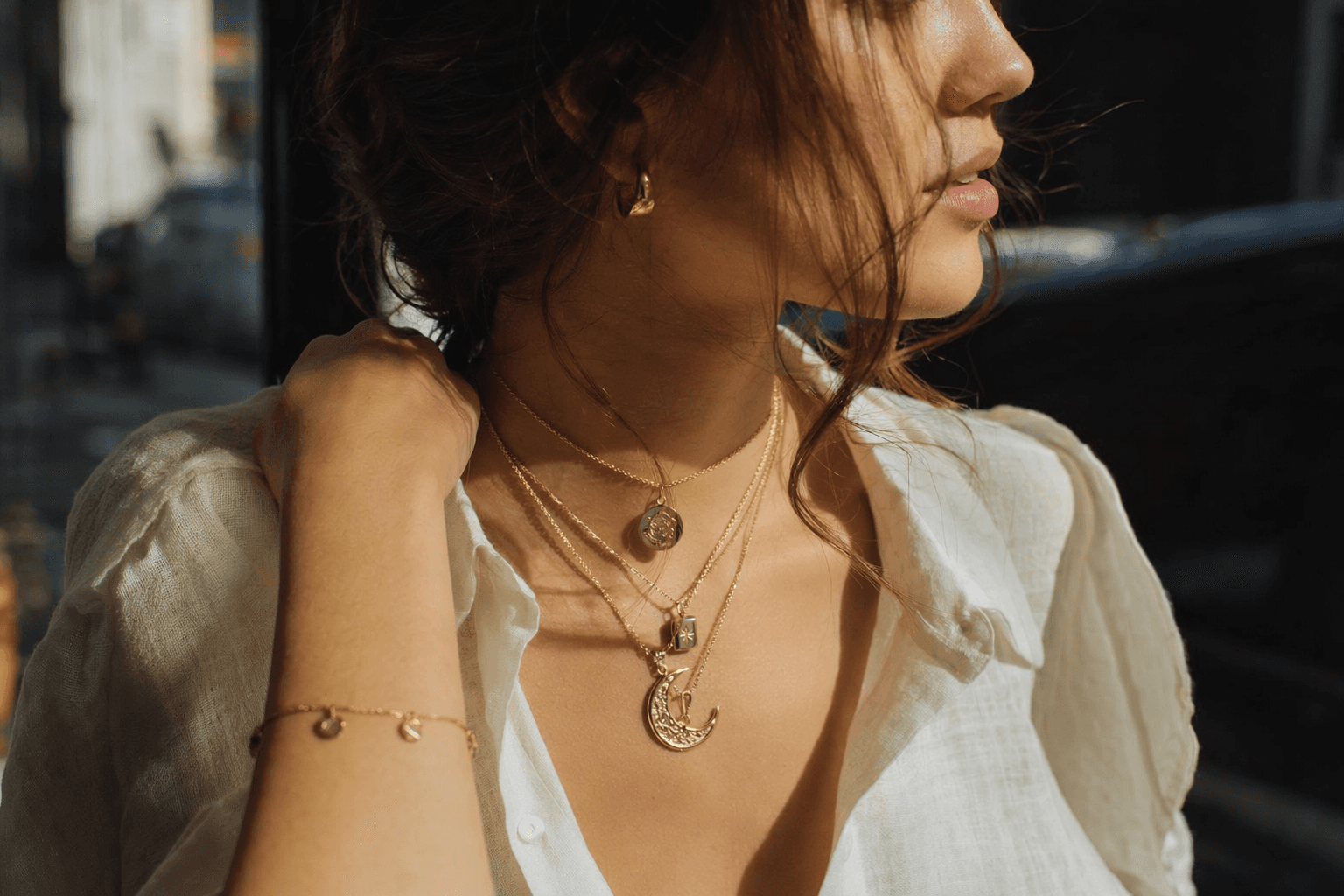
Scale matters just as much. A smaller charm can disappear on a chain that is too substantial, while a larger pendant can overwhelm a delicate link if the proportions are off. The sweet spot is usually a visual conversation between the two: enough metal weight to support the pendant, but not so much that the necklace starts to wear the wearer.
Chain length is the final decision, and it changes the whole mood. A shorter placement keeps the pendant close to the collarbone and reads sharp with button-downs and crew necks. A longer chain softens the look and gives a pendant room to move over knitwear or an open neckline. A lariat introduces a vertical line that can feel especially polished, while a classic chain keeps the result closest to everyday minimalism.
A history of symbols that still feels modern
Pendant jewelry has never been a passing idea. The Metropolitan Museum of Art’s collection includes a necklace with pendants from about the 5th to 4th century BCE from the Iberian Peninsula, a Byzantine gold necklace with pendants from around the 7th century, and a Roman gold necklace with a crescent-shaped pendant dated to the 1st to 3rd century CE. That crescent, described by the museum as symbolic of the sun and moon, shows how long jewelry has carried meaning beyond ornament.
The Met also traces pendant-inspired classical revival to the 19th century, when goldsmiths from the Castellanis in Italy to Tiffany in America made what the museum calls archaeological jewelry. That lineage matters because it shows pendants have always moved between the personal and the cultural: they can feel intimate, but they are also part of a long visual language shaped by craftsmanship, excavation, imitation, and reinvention.
What modern luxury gets right about the category
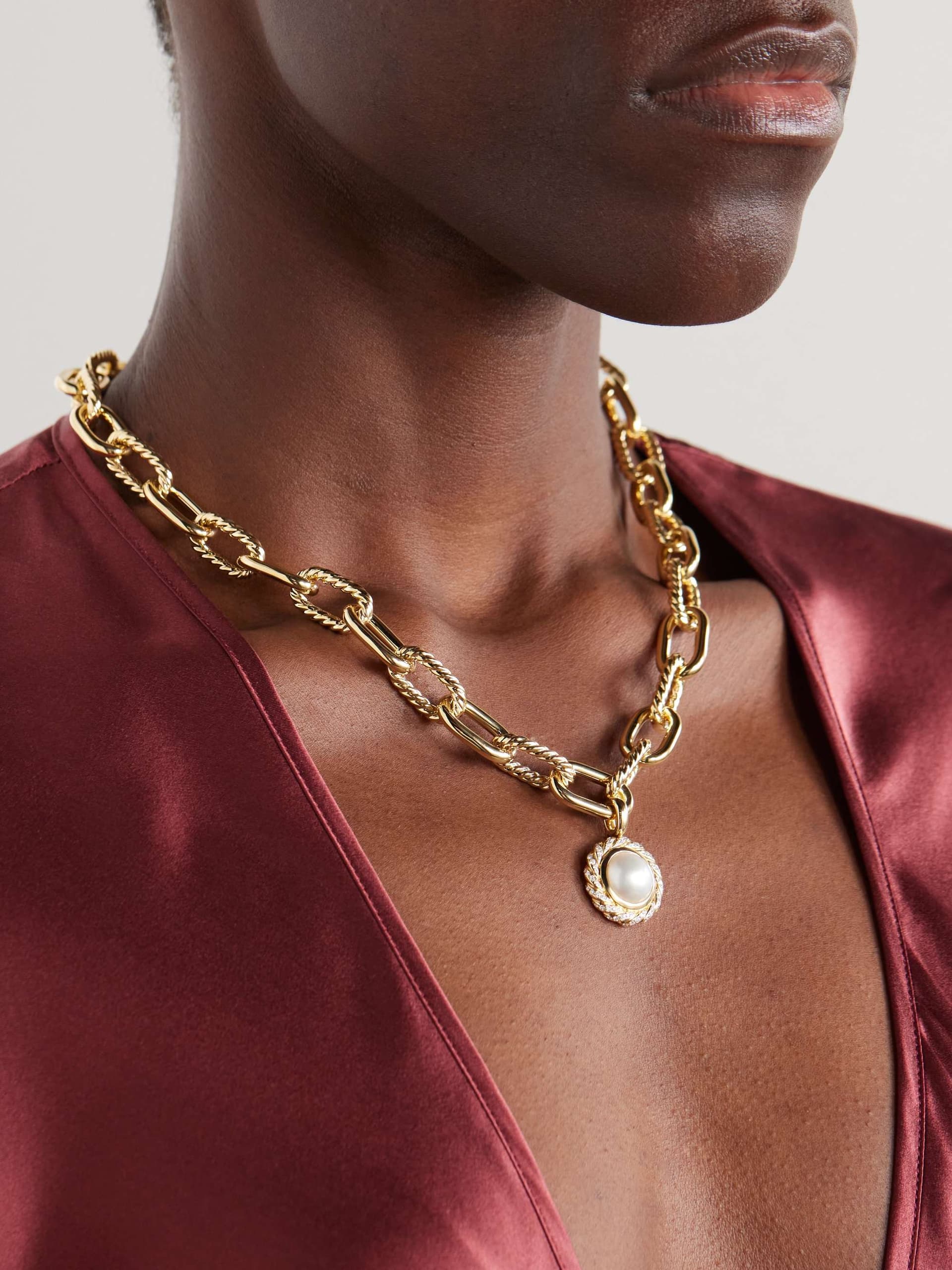
Tiffany & Co. has kept that idea alive by treating charms as a tool for personal point of view. The house says its charms let customers personalize jewelry with their own perspective, and it describes its necklace and pendant assortment as spanning chain, lariat, pearl, and diamond styles for everyday wear or special occasions. That range is telling. It suggests the category works best when it is flexible enough to move from plain white T-shirt to evening silk without losing its identity.
The brand also leans on heritage, saying its jewelry tradition spans more than 180 years of craftsmanship. In practice, that kind of longevity is part style cue, part trust signal. For readers who care about provenance, that is where the real question begins: not just whether a pendant is pretty, but whether the maker can say how it was built, what the metal is, and whether the story attached to it is supported by actual workmanship rather than vague mood.
How to build a necklace that feels like yours
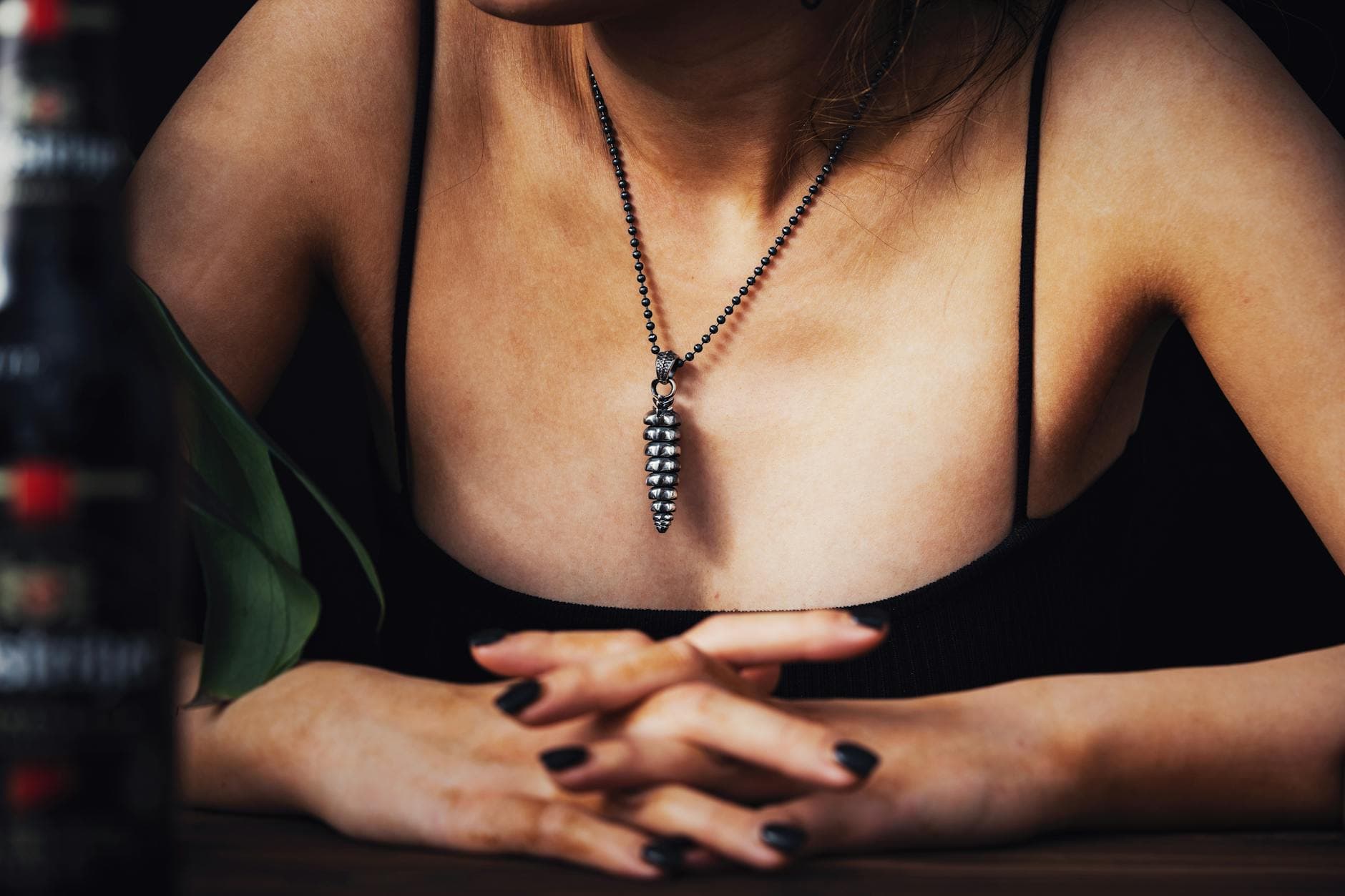
The easiest way to make a pendant-and-charm necklace feel signature is to think like an editor. Choose one symbol that means something to you, then decide whether the pendant should be the only focal point or sit with one supporting element. Keep the overall line clean enough that the piece can move through a normal day, because the best personal jewelry is the kind you stop thinking about once it is on.
A good framework looks like this:
- Pick one symbol with a clear emotional or visual purpose.
- Match the pendant’s scale to the chain so neither overwhelms the other.
- Use the chain length to decide whether the necklace reads intimate, polished, or slightly more relaxed.
- Choose a metal and finish that will work with the rest of your wardrobe, not just with one outfit.
- If the brand uses words like personal or meaningful, look for concrete details about construction and materials rather than leaning on the mood alone.
That last point matters because the charm necklace is only as convincing as the details behind it. In a category built on symbolism, the most worthwhile pieces are the ones that can support the story with design discipline, not just sentiment.
The everyday standard now
What makes pendant and charm necklaces feel current is that they can hold both memory and restraint. They have ancient roots, visible in museum pieces from the Iberian Peninsula, Byzantium, and Rome, yet they still make sense alongside the kind of modern assortments offered by NET-A-PORTER and Tiffany & Co. The best versions are not overloaded or precious in the stiff sense. They are personal, polished, and easy to live in, which is exactly why they have become the everyday staple that so many wardrobes were missing.
Know something we missed? Have a correction or additional information?
Submit a Tip
