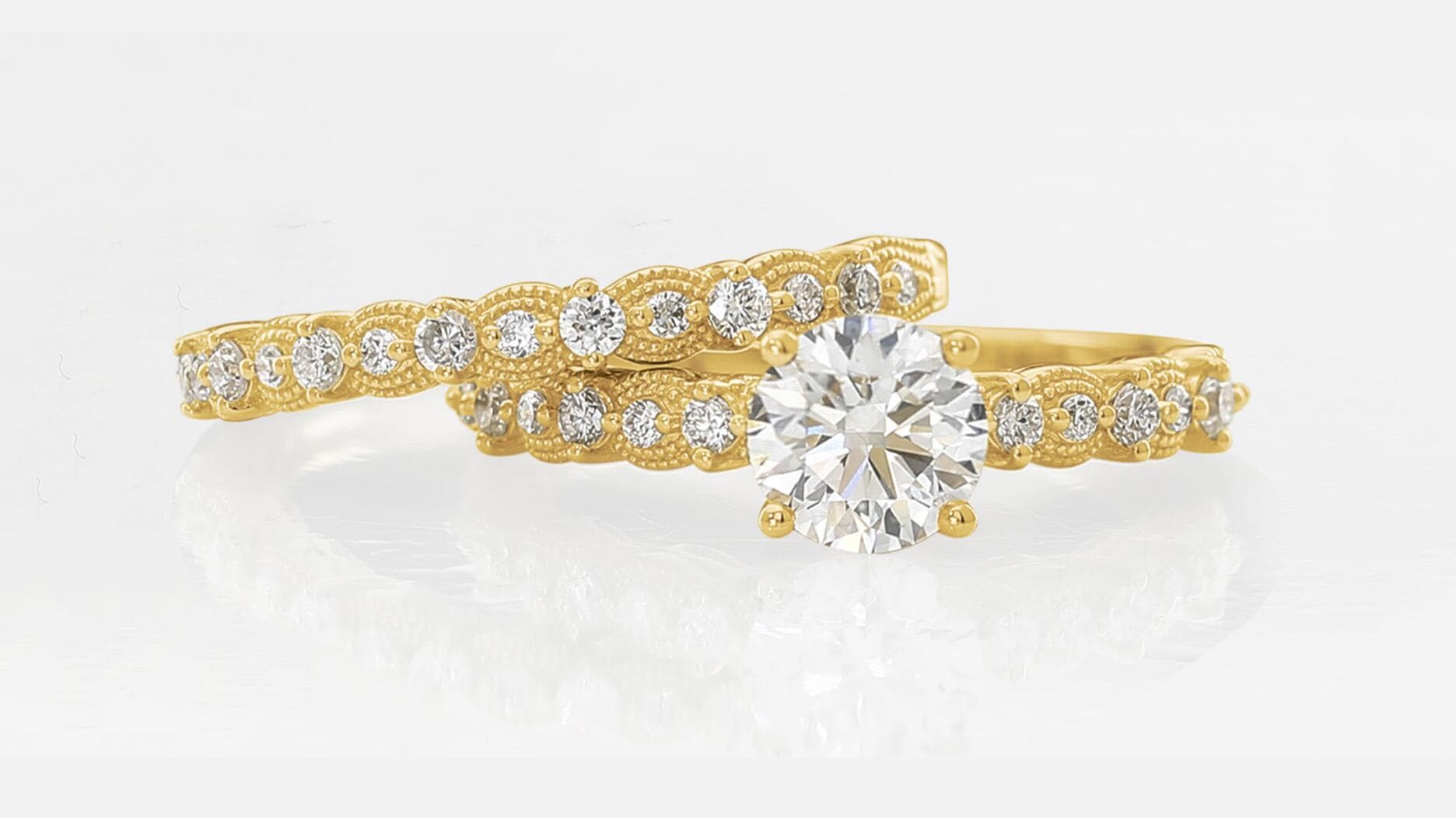
Antwerp jewellers arrested in cross-border stolen gold and jewellery probe
Five Antwerp jewellers were among 19 arrests after investigators traced stolen gold and jewellery from France into a cash resale network.
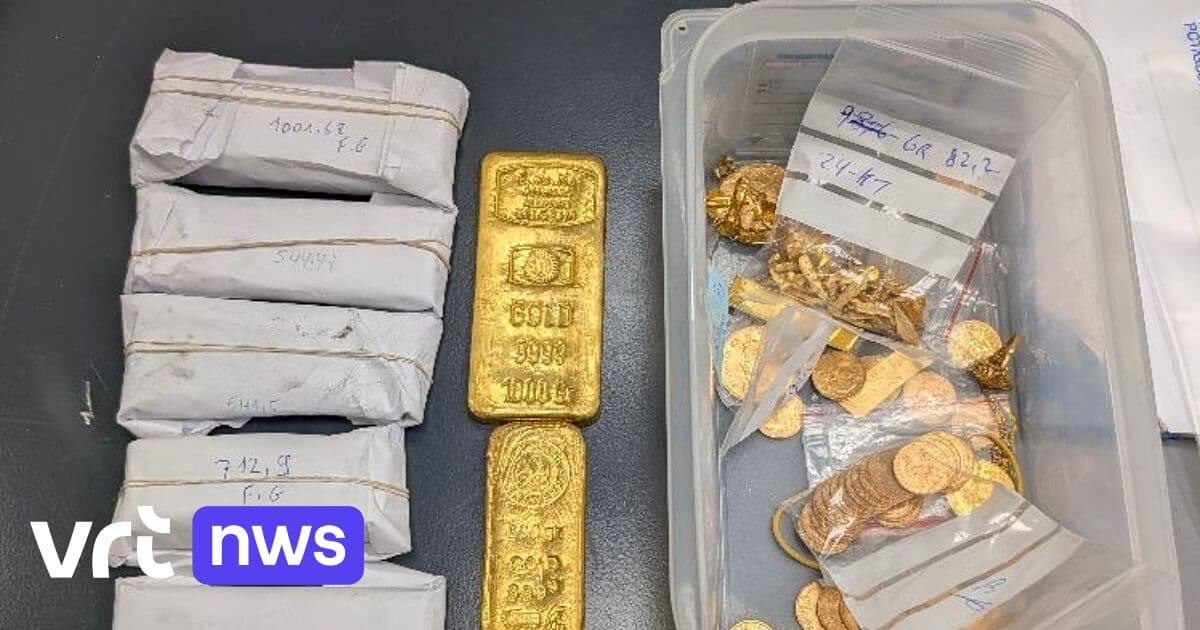
Five Antwerp jewellers were among 19 people arrested after Belgian and French investigators dismantled a cross-border network that is alleged to have moved stolen jewellery, diamonds and precious metals from theft scenes in France into resale channels in Belgium. The arrests sharpen a familiar but uneasy truth about the gold trade: once a piece is broken down, melted or reworked, provenance can vanish fast.
The case unfolded over nine months under a Belgian-French joint investigation team backed by Eurojust, with arrests and house searches carried out on 27 and 28 May 2026. In Belgium, 10 people were arrested. Eurojust said the suspects were linked to criminal groups active in France and Belgium, and that several burglary and pickpocketing gangs had allegedly stolen large quantities of jewellery in shifting group formations before the goods were transported to Belgium and resold for cash.

What makes the allegations especially troubling for buyers is the presence of melting machines for stolen gold. In practice, that is the point at which a ring, bracelet or chain can be stripped of its identity and converted into anonymous metal. Reputable gold sellers and trade buyers should demand more than a handshake and a weight estimate: invoices from the supplier, identity records, assay or hallmark paperwork, lot numbers, and a clear chain of custody for any scrap, bullion or finished jewel. Cash-only transactions, missing receipts, hurried resales, inconsistent weights and sellers who cannot explain where a lot came from are all warning signs that the trail may be dirty.
The Antwerp arrests also land in a city where jewellery retail already sits under suspicion. Reuters described about 300 jewellery shops operating just outside the Antwerp diamond district, with police sources estimating that roughly a quarter were involved in fencing stolen product. The Antwerp World Diamond Centre has warned that its reputation is put at risk when jewellers are associated with questionable money-laundering practices. That reputation matters because Antwerp remains one of Europe’s most recognisable names in gems, gold and diamonds, where trust is supposed to be part of the value.
For the trade, the lesson is blunt. A polished bracelet or a handful of scrap gold can pass through several hands in a matter of days, but paperwork should not be so easy to erase. In a market built on trust, the invoice, the origin record and the seller’s willingness to show them are as important as the clasp, the setting and the stone.
This article was produced by Prism’s automated news system from verified source data, official records, and press releases, then run through automated quality and moderation checks before publishing. The system is built and supervised by the people who set the standards it runs under. Read our full AI policy.
Did this article answer your question?