Cartier unveils stone-led Le Chœur des Pierres high jewelry in Saint-Tropez
Cartier's Saint-Tropez reveal put 40.67-carat emeralds, a 30.33-carat Zambian stone and imperial topaz at the center of its latest high jewelry vision.
Cartier chose a Provençal castle just outside Saint-Tropez to make a point about where high jewelry is headed: not toward surface flash, but toward stones with enough rarity and character to carry the whole design. The first chapter of Le Chœur des Pierres, unveiled on Wednesday, May 13, spanned more than 125 unique pieces and, by Cartier’s count, demanded over 85,000 hours of work from its artisans, gemmologists, cutters, setters, lapidaries and polishers.
The collection’s title, which means The Chorus of Stones, also plays on the French word coeur, or heart, and that emotional framing runs through the entire presentation. Jacqueline Karachi-Langane, Cartier’s director of high jewelry creation, has described the goal as letting a stone speak, treating each gem as an encounter and the jeweler’s task as one of interpretation and magnification. Pierre Rainero, Cartier’s director of image, style and heritage, put the emphasis on the house’s signatures, the mix of colors, volumes and cuts, and the way different stones are made to work together.
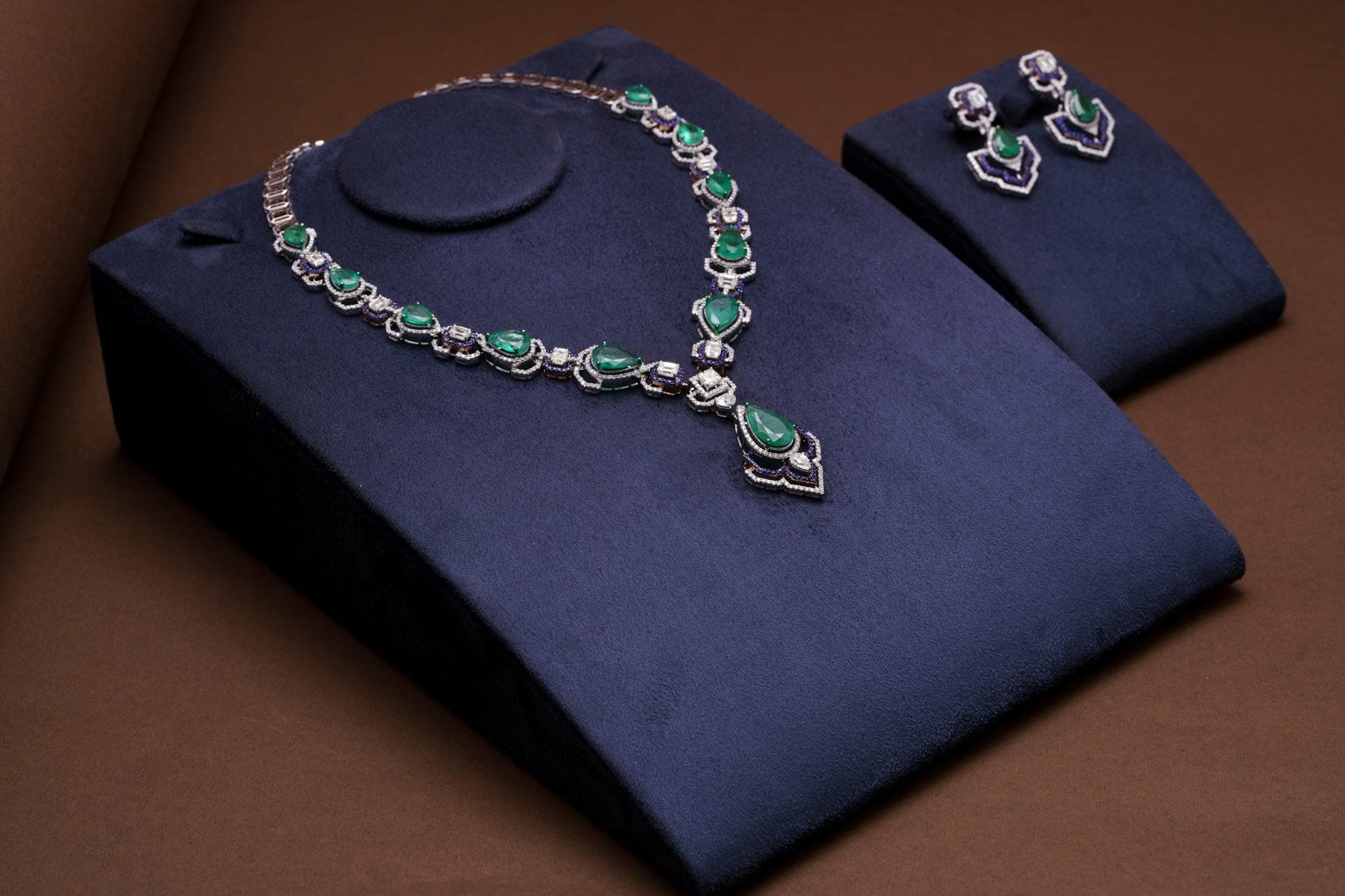
That combination is what makes the collection feel so relevant now. In a market where many houses lean on scale alone, Cartier is using bigger carat weights and sharper color contrasts to give gold jewelry intellectual weight as well as visual drama. The Olorra necklace anchors that idea with five Colombian emeralds totaling 40.67 carats, set with turquoise, lapis lazuli and diamonds in a geometric composition that reads as both architectural and rare. The Tutti Kanya necklace goes further into collectible territory, centering a 30.33-carat engraved Zambian emerald and adding carved rubies, sapphires and emeralds, plus a detachable ruby tassel.
Haryma pushes the contrast even harder. Yellow and orange diamonds, garnets and white diamonds build the tiger motif around five imperial topazes totaling just over 28 carats. It is the kind of color logic Cartier has long made its own, and the house is now treating that green-blue pairing, once considered taboo in the early 1900s, as part of its visual language rather than a gamble. The historical reference point is Tutti Frutti, a Cartier signature for a century, built from carved sapphires, rubies and emeralds arranged as leaves, buds and berries, often with onyx and black enamel.
Zoe Saldaña previewed Haryma at Cartier’s Paris high-jewelry workshop before the unveiling, a reminder that spectacle still matters when it is anchored in craft. The celebrity circuit may help launch the story, but the lasting appeal is in the construction: stones with provenance, settings with discipline, and a level of labor that turns gemstone rarity into collectible value.
This article was produced by Prism’s automated news system from verified source data, official records, and press releases, then run through automated quality and moderation checks before publishing. The system is built and supervised by the people who set the standards it runs under. Read our full AI policy.
Did this article answer your question?