CCTV Evidence Leads Police to Suspect in ₱500,000 Jewelry Shop Heist
A 25-year-old suspect tore through a shop roof to steal ₱500,000 in gold from a Rizal repair shop, then was traced by CCTV to a neighboring barangay.

The Rodriguez Municipal Police Station made an arrest that most jewelry repair shop customers never imagine they might need: the recovery of gold that was supposed to be safe behind a counter, waiting to be picked up.
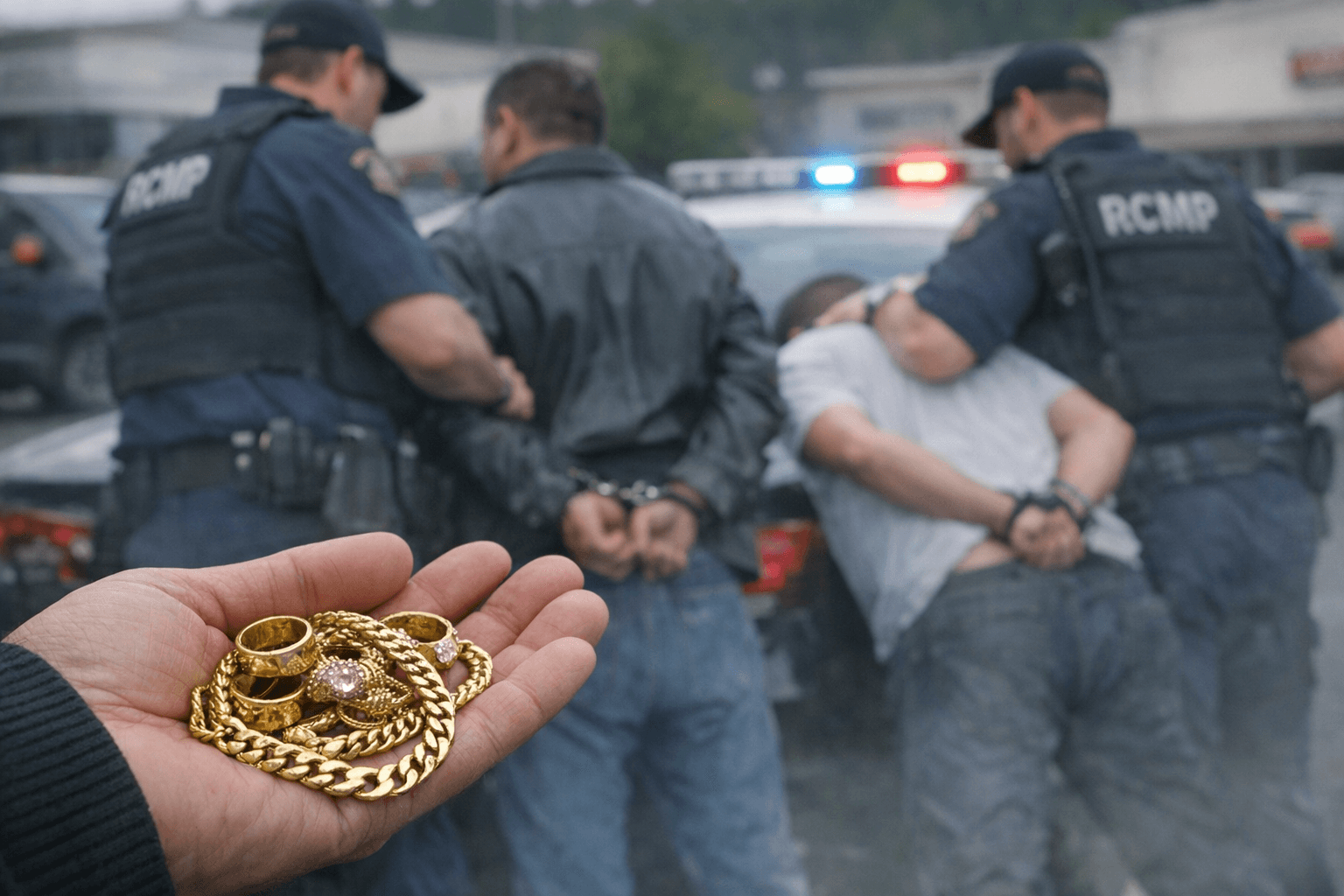
The break-in at a jewelry repair shop in Barangay Manggahan, Rodriguez, Rizal on March 29 was not a smash-and-grab at the front door. The 25-year-old suspect allegedly came through the roof, damaging the ceiling structure to bypass whatever ground-level security the shop maintained. By the time the damage was discovered, roughly ₱500,000 worth of jewelry, scrap gold, and silver had walked out with him. At current Philippine gold market rates, that figure represents the equivalent weight of approximately 25 to 30 average rings and pendants, the kind left for resizing, polishing, or clasp repair. Each piece almost certainly belonged to someone still waiting for a pickup call.
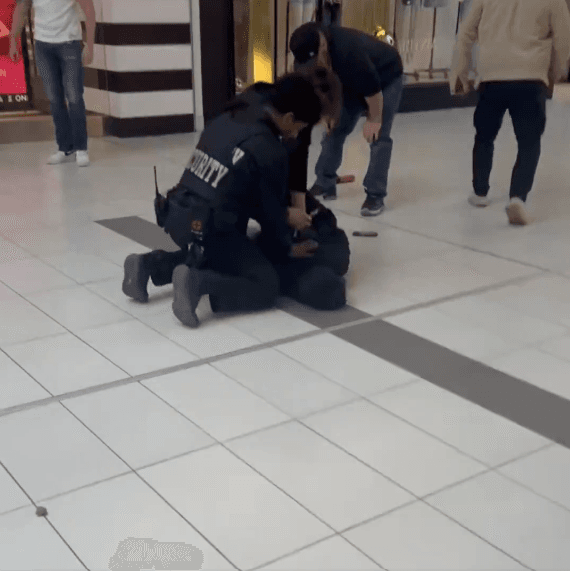
What resolved the case, and what should concern every customer who has ever signed a repair intake form, was not a locked safe or an alarm system. It was CCTV. Footage from the shop's cameras gave investigators enough to identify the suspect and trace him to Barangay Geronimo, where he was apprehended. He now faces robbery charges.
The arrest is swift justice. The vulnerability it exposed is a longer conversation.
Anyone who leaves gold at a repair shop is extending a form of trust that most jewelry shops treat too casually. The practices that separate a secure establishment from a negligent one are not complicated, but they are rarely posted on the counter. A trustworthy shop issues a written receipt that itemizes each piece by material, estimated weight, and condition, signed by both parties at drop-off. That documentation creates a verifiable record before anything goes wrong. Pieces should then move immediately into a locked safe, not a display case or an open shelf visible through a window.

CCTV coverage is only useful if it is comprehensive. The Manggahan incident demonstrates that a thief will not always enter through the front door; cameras angled only at the sales floor miss the ceiling. Shops in buildings with shared rooftop or upper-floor access carry structural risk that door locks alone do not address.
Insurance is the question almost no customer thinks to ask before leaving a heirloom. A reputable goldsmith carries coverage for goods in their custody, and can say so plainly. Finally, ask about notification: if this shop were robbed tonight, would you receive a call before you showed up expecting your piece?
Before you leave gold anywhere for repair, confirm the shop provides a signed itemized receipt, stores goods in a physical safe, maintains CCTV coverage of all work areas and entry points, carries customer goods insurance, and has a direct protocol for notifying clients in the event of a theft or incident.
The suspect in Rodriguez faces the courts. The ceiling in Barangay Manggahan will be rebuilt. But the ₱500,000 figure is a useful measure of what "just leaving something for a quick repair" actually puts at risk, and what documentation, or the absence of it, means once a roof comes down.
Know something we missed? Have a correction or additional information?
Submit a Tip