Chanel unveils 85-piece high jewelry collection at La Pausa
Chanel turned La Pausa into a codebook of lions, camellias and comets, unveiling 85 high-jewelry pieces in a rare, camera-free presentation.
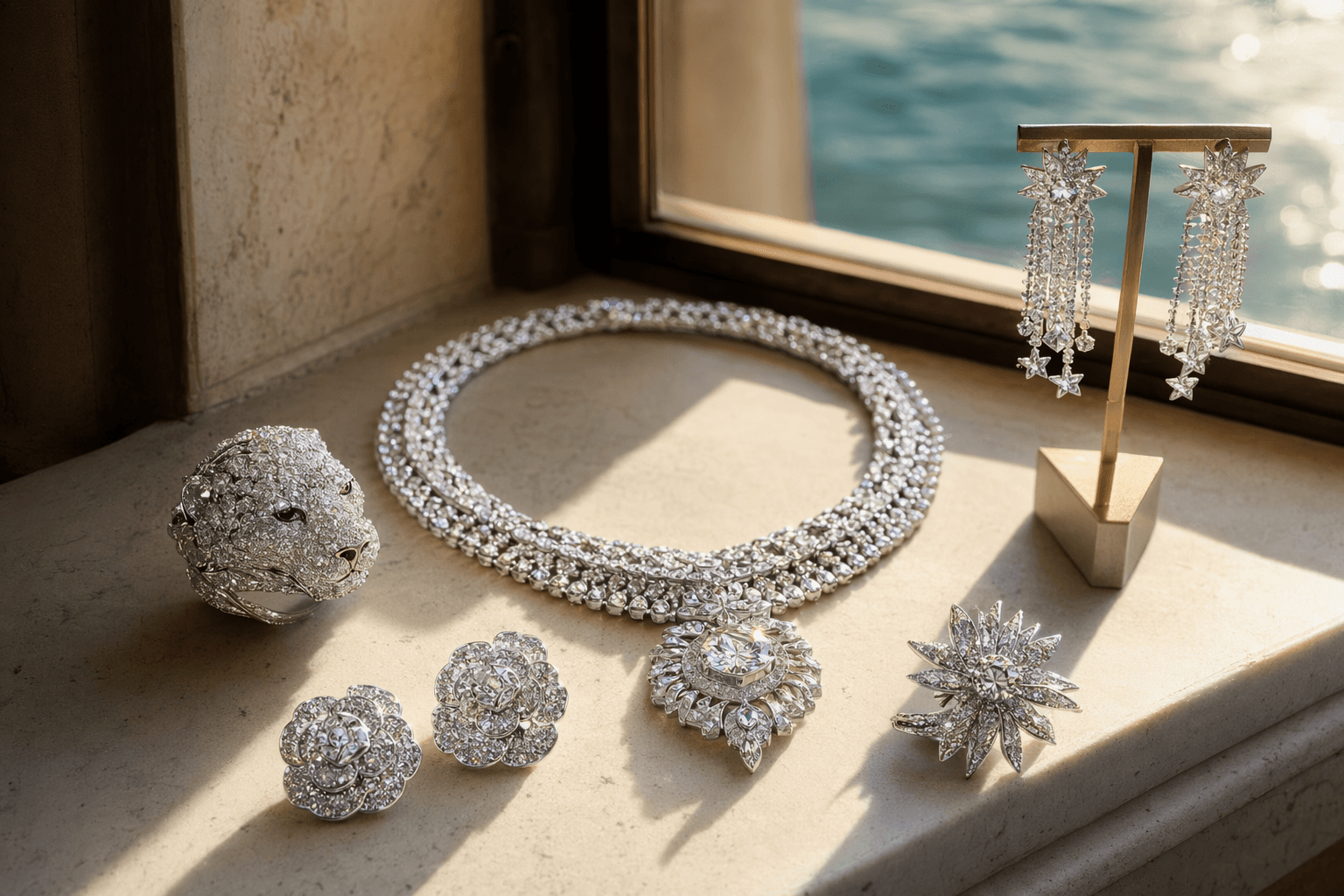
Chanel chose restraint over spectacle at La Pausa, the hillside villa above Roquebrune-Cap-Martin, and that was the point. Inside the restored house Gabrielle Chanel once used as her southern refuge, the house unveiled its 85-piece Signes & Symboles high-jewelry collection to a small group of journalists on May 6, before customers saw it that weekend.
The collection is Chanel at its most legible and most commercial: a direct translation of Gabrielle Chanel’s private mythology into jewels that rely on symbols rather than overt ornament. Frédéric Grangié, Chanel watch and jewelry president, called the setting essential, saying the presentation had to happen there. His point was clear. La Pausa is not just a backdrop, but part of the same visual language as the jewelry, from the path bordered by irises to the five rectangular windows, the cloister-like arches that recall Aubazine, and details preserved in Chanel’s bedroom upstairs.
Those references matter because Chanel’s high jewelry does not simply repeat house emblems, it builds a grammar around them. The lion, camellia, comet, ribbon, feather and N°5 recur as six enduring codes, and Signes & Symboles pushes that vocabulary into bold color harmonies and emphatic motifs instead of the more familiar prestige-jewelry formula of size alone. In a market where many maisons chase louder destination reveals, Chanel’s decision to ban photography and keep the audience small felt almost radical. It forced attention back onto design, where the real interest lies: how a lion becomes a setting, how a camellia becomes structure, how a comet or ribbon can read as both emblem and ornament.
La Pausa itself deepens that reading. Built in 1928 by Robert Streitz, the villa served as Gabrielle Chanel’s base in the south of France until 1953, when she sold it. Chanel bought it back in 2015 and restored it over the following decade under Peter Marino, who worked from archival images, blueprints, receipts, letters and other records. The brand now says the house will also serve artists and writers, and its use for the Spring Summer 2026 campaign confirms how central the villa has become to Chanel’s storytelling.
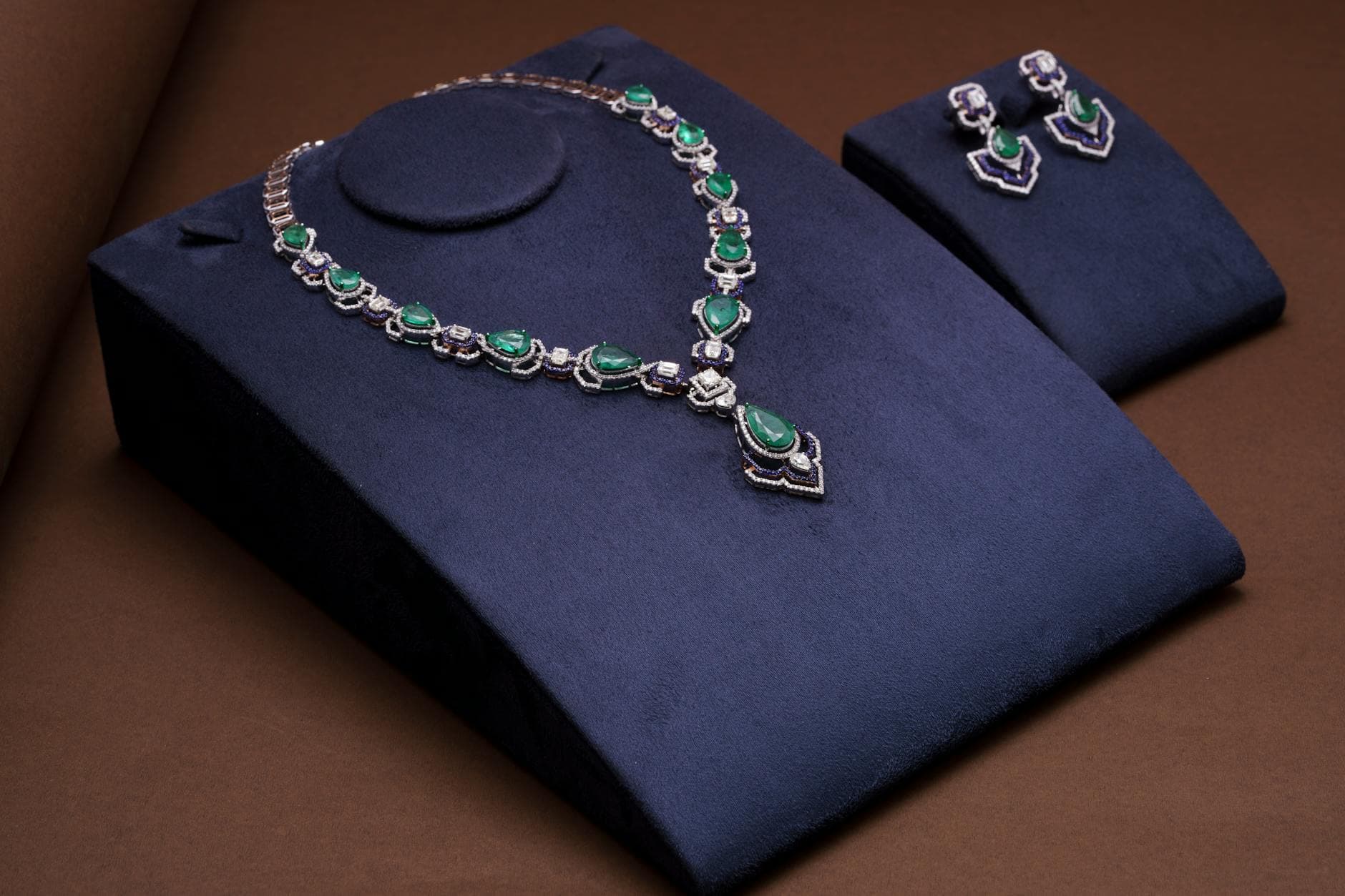
For fine jewelry, the message is sharper than a simple heritage exercise. Chanel is treating symbols as durable design assets, not decorative nostalgia. That is why Signes & Symboles feels less like a one-off collection than a template for the next phase of commercial high jewelry, where identity, not excess, carries the strongest shine.
This article was produced by Prism’s automated news system from verified source data, official records, and press releases, then run through automated quality and moderation checks before publishing. The system is built and supervised by the people who set the standards it runs under. Read our full AI policy.
Did this article answer your question?