Christie’s Geneva sale tops $66.5 million, Ocean Dream leads bidding
Christie’s Geneva jewels sale cleared CHF 51.9 million, with Ocean Dream racing to CHF 13.6 million after 20 minutes of bidding.
Christie’s Geneva Magnificent Jewels sale ended with a sharp luxury-demand signal: CHF 51,859,550, or US$66,501,674, with 99% of the 87 lots sold and 84% topping their high estimates. In a room where rarity mattered more than volume, bidders rewarded scarcity, signature names, and stones with a documented history.
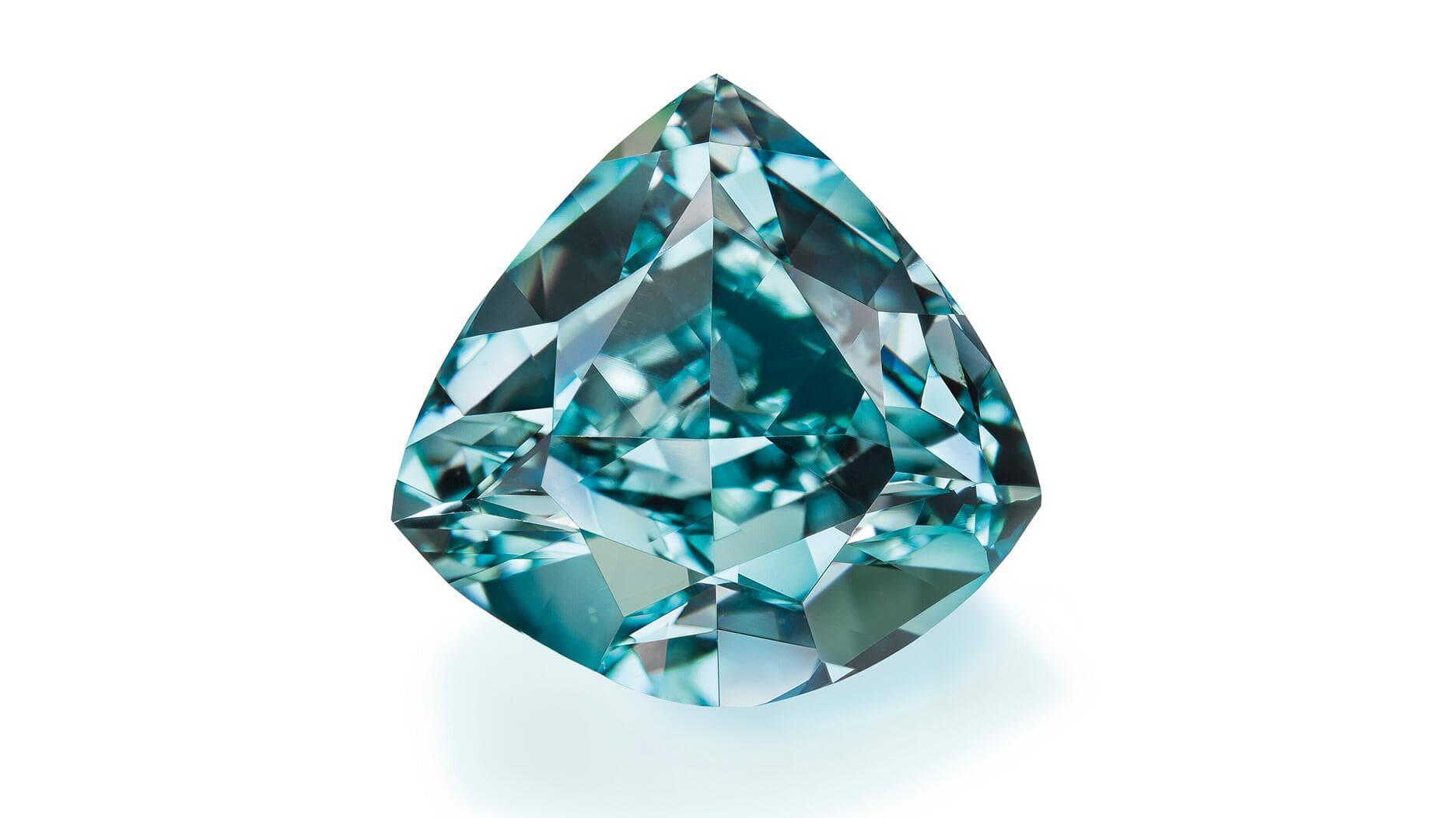
The headline was Ocean Dream, a 5.50-carat triangular blue-green diamond that Christie’s described as the largest fancy vivid blue-green diamond known to exist and certified by the Gemological Institute of America since 1931. Estimated at CHF 7 million to CHF 10 million, it sold for CHF 13,567,500, or US$17,366,400, after 20 minutes of intense bidding. Christie’s said the stone came from a rough found in Central Africa in the 1990s that weighed 11.70 carats, and identified it as a type Ia diamond, among the purest natural gems. The result made Ocean Dream the most expensive fancy vivid blue-green diamond ever sold at auction and the highest-priced lot of Luxury Week Geneva.

But the sale was not only about one vivid stone. A two-row natural pearl necklace with a diamond clasp reached US$5,308,160, more than three times its high estimate, becoming the second-highest lot of the day. National Jeweler also noted that two sapphire pieces sold above estimate, including a Harry Winston ring centered on a 76.39-carat oval cabochon sapphire. Christie’s previewed additional standouts that helped frame the room’s taste: a 20-carat cushion-shaped Kashmir sapphire, a rare colored pearl and diamond necklace by Van Cleef & Arpels, and a Colombian emerald and diamond brooch by Cartier.

That spread matters. The strongest results did not flow to color alone, but to color joined with impeccable settings, named houses, and traceable provenance. Cartier, Boucheron, Van Cleef & Arpels, Harry Winston, and JAR all carried weight, and the pearl necklace’s diamond clasp was as much a part of its appeal as the pearls themselves. With bidders split across Europe at 41%, the Americas at 27%, and Asia Pacific at 28%, the market showed that top collectors are still paying up for objects that combine rarity, craftsmanship, and a story they can verify.
This article was produced by Prism’s automated news system from verified source data, official records, and press releases, then run through automated quality and moderation checks before publishing. The system is built and supervised by the people who set the standards it runs under. Read our full AI policy.
Did this article answer your question?