Collar necklaces lead 2026’s shift toward bold gold statements
Pendantless gold collars are taking over 2026, with sculptural forms and diamond flashes turning the neckline into the statement and reshaping the price ladder.
The neckline becomes the point
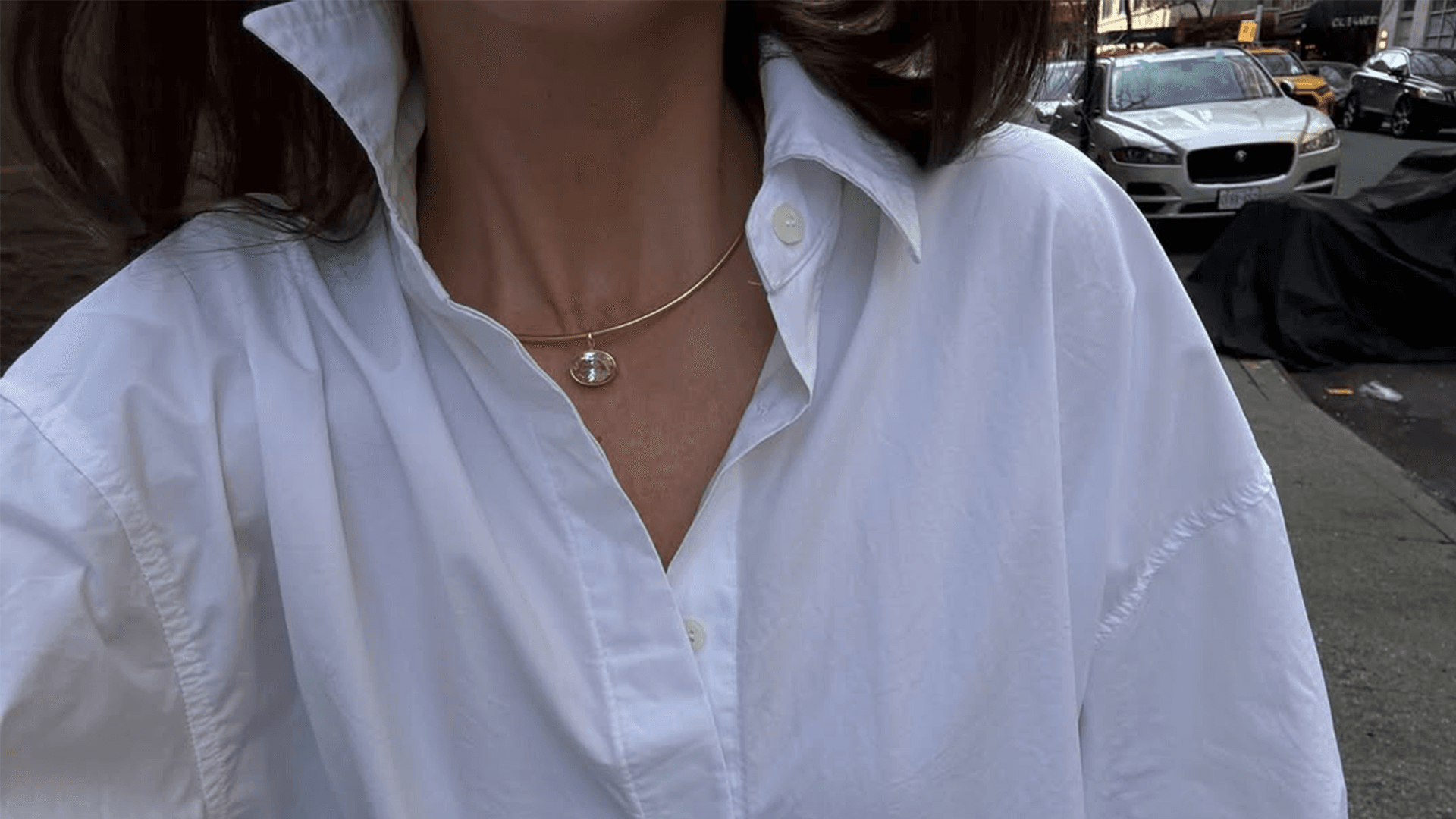
The necklace getting the most attention now does not swing, it frames. Collar necklaces, with their close fit and sculptural line, are moving gold jewelry away from pendant-centered dressing and toward pieces that behave more like a collar, a cuff, or a strip of wearable architecture. Who What Wear called them one of 2026’s most important jewelry trends, and the category is showing up in sleek metal spirals, gem-set versions, and diamond-centered designs.
Why this matters is simple: a collar changes proportion before it adds sparkle. A plain T-shirt gets sharper. A strapless dress looks more intentional. A crisp shirt collar or a deep V can suddenly feel finished without the pendant sitting as a lone focal point. In a year when jewelry is reading as bolder and more sculptural, the collar necklace has become the easiest way to make yellow gold feel immediate and modern.
Why pendants are giving way to collars
The pendant necklace has long been the default safe choice, but the new mood is more assertive. Who What Wear separately described 2026 jewelry as a year of statement pieces, and noted that larger, chunkier necklaces are appearing on fall and winter 2026 runways at Chanel and Chloé. Jewelers Mutual makes the same point from a market perspective, saying oversized tailoring and dramatic necklines are making space for bold collar necklaces, sculptural earrings, and chunky cuffs.
That shift changes how shoppers think about value. A pendant often relies on a single charm or stone, while a collar spends its budget on silhouette, metal weight, and surface finish. Even when the center stone is modest, the overall impression can feel more substantial because the whole piece occupies the neckline. For buyers deciding between trend-led fashion jewelry and longer-term fine jewelry, that distinction matters: the most compelling collars are not just decorative, they are structural.
Yellow gold, sculptural forms, and the new luxury code
Yellow gold is especially strong in this trend because it amplifies shape. A polished gold collar catches light along its curve, so the line of the necklace becomes as important as any gem set into it. Sleek metal spirals read lighter and more fashion-forward; wider collars feel more architectural and closer to heirloom jewelry. Either way, the warm tone of yellow gold keeps the look from tipping into harshness, which is one reason it works so well with bare skin, black tailoring, and simple knits.
The most interesting pieces also use restraint intelligently. Gem-set collars bring color and texture without breaking the silhouette, while diamond-centered versions give the neck a fixed point of light. That last category is where fine jewelry gets especially persuasive, because diamonds can turn a sculptural collar into something that feels collectible rather than seasonal. The effect is less about glitter and more about precision.
The designers shaping the conversation
Jessica McCormack is one of the clearest luxury signals in the story. Who What Wear described the label as gaining a reputation as the "jewelry insider’s jewelry brand," and highlighted diamond torque pendants set on striking collars as part of the draw. That combination, a strong rigid form with a diamond focal point, speaks directly to shoppers who want jewelry that feels rare without being fussy.
Lié Studio sits at the other end of the mood spectrum, but still within the same silhouette. Its collar necklaces are positioned as minimalist wardrobe staples, which makes them useful for readers who want the shape without the high-drama styling. The distinction between the two labels is instructive: one leans into insider luxury and diamond presence, the other into pared-back utility. Both prove the collar necklace has room to move across price points and aesthetics.
A silhouette with deep history
The collar necklace may feel current, but its authority comes from history. M.S. Rau points to the late-medieval English livery collar as an important predecessor, a reminder that neckpieces have long signaled allegiance, rank, and status as much as ornament. Natural Diamonds adds that chokers have appeared on royals, carried associations of strength during the French Revolution, and later made red-carpet history.
That lineage explains why the style feels so resolved now. A collar sits close enough to the body to read as disciplined, but it still announces itself immediately. It has the firmness of jewelry that wants to be seen. In gold, that old symbolism becomes even clearer, because the metal carries weight, permanence, and a visual seriousness that pendants often lack.
How to wear one without losing the line
The appeal of the collar is that it can do the work of styling on its own. Over a T-shirt, it makes an everyday outfit look edited. With evening wear, it can replace a necklace stack and create a cleaner neckline. The best pairings are often the simplest: an open blouse, a boatneck, a strapless top, or tailoring with a little breathing room at the throat.
This is also where the piece can do the most for the wardrobe. A narrow, polished collar can sharpen minimalist dressing; a gem-set version can lift a black dress; a diamond-centered design can sit comfortably in a fine-jewelry rotation without feeling like a cocktail-only piece. Because the silhouette is so close to the neck, it frames the face and collarbone first, which is why it often feels more dramatic than a pendant of equal value.
Reading the price ladder
The collar-necklace trend spans a wide price spectrum, and that is part of its appeal. On the accessible end, simpler metal collars and minimalist pieces from labels like Lié Studio let shoppers buy into the silhouette without making a major commitment. Higher up the ladder, gold weight, diamond content, craftsmanship, and brand cachet can move the price quickly, especially in pieces from Jessica McCormack and other fine-jewelry houses.
De Beers’ reporting helps explain why diamond-forward versions have an audience. The company said consumer demand for diamond jewelry in the United States over the year-end holiday season was in line with expectations, and later noted that the U.S. is the largest end-market for diamond jewelry. That makes diamond-accented collars commercially sensible as well as stylistically relevant: they sit at the intersection of fashion momentum and enduring U.S. appetite for diamond jewelry.
For shoppers, the smartest question is not whether a collar is trendy, but what kind of value it offers. A fashion version buys silhouette and seasonality. A fine-jewelry version buys metal content, diamond quality, and the possibility of repeated wear beyond the trend cycle. If the necklace is in yellow gold and the construction is clean, the style can survive well beyond 2026 because the form itself already has a long historical record.
The new statement at the throat
The return of the collar necklace shows how quickly the market is moving away from quiet minimalism. Gold is no longer just a background metal here, it is the entire argument: sculptural, luminous, and direct. As pendants recede, the neckline is becoming a stage for shape, not just a place to hang a charm, and that makes the collar necklace one of the clearest signals of where jewelry is heading next.
This article was produced by Prism’s automated news system from verified source data, official records, and press releases, then run through automated quality and moderation checks before publishing. The system is built and supervised by the people who set the standards it runs under. Read our full AI policy.
Did this article answer your question?