Common Era turns museum relics into 14k gold jewelry collection
Torie Tilley took her 8-month-old to the Louvre, then turned the sight of a fragment behind glass into five 14k-gold pendants.
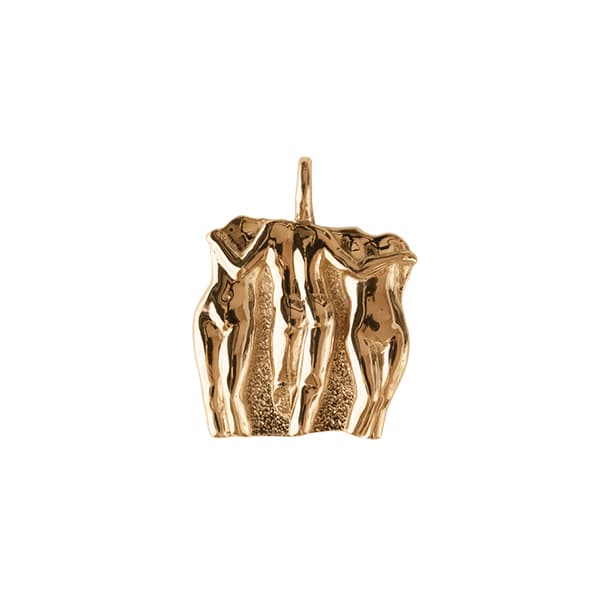
Torie Tilley left the Louvre with more than photos and jet lag. After walking more than 20,000 steps through Paris with her husband and 8-month-old son in January, just before a major snowstorm, the Common Era founder watched her child reach toward a Three Graces fragment behind glass. That moment became the seed for Fragments, a new jewelry line built around the unsettling idea that broken things can be made precious.
Common Era describes Fragments as a collection about “what survives,” recasting ancient forms, partial stories and damaged remnants of the classical world in solid gold. The first five pieces are the Broken Column Pendant, Hound Pendant, Lovers Pendant, Orphic Tablet Pendant and Three Graces Pendant. JCK said the launch pieces are all in 14k gold and draw from relics displayed in the Louvre and other museums, including an Ionic column, a sculpture of two lovers, a loyal hound on a funerary relief and an inscribed tablet. The collection reads less like a straightforward homage than a translation exercise: a ruined object becomes a wearable one, and a museum fragment becomes a luxury proposition.
The craftsmanship matters here. Common Era says the solid-gold Fragments pieces are cast using the lost-wax method, handmade in its New York City studio with 100% recycled gold, and produced in facilities that are RJC certified. Those details give the line more than a poetic premise. Recycled gold and certified facilities speak to traceability and cleaner sourcing, while the lost-wax process suggests a level of sculptural specificity that suits the collection’s archaeological mood. The brand also says its broader work draws on documented sources, including ancient manuscripts, archaeological records and mythological texts, which helps separate the line from the looser, citation-free historicism that often passes for inspiration in jewelry.
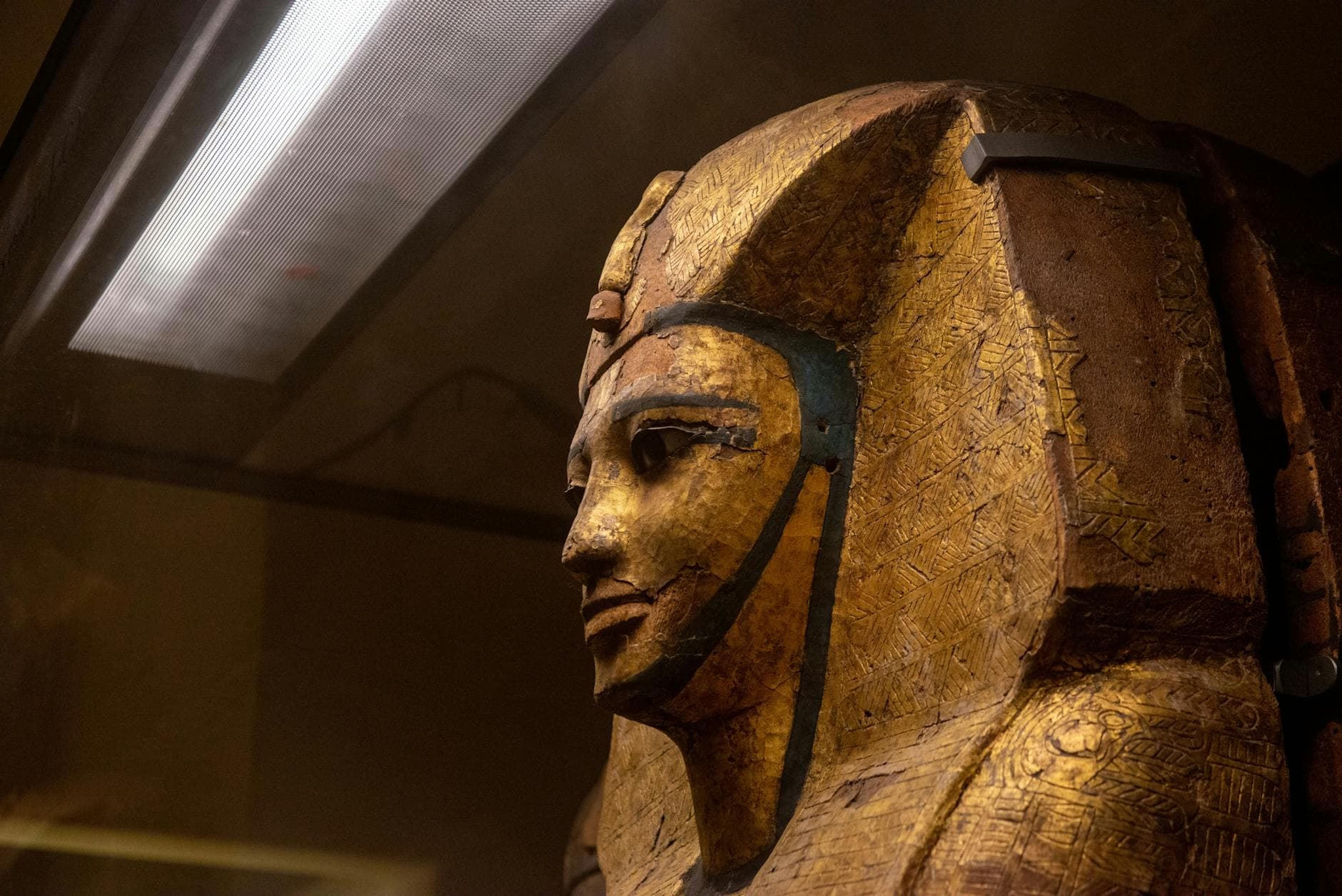
Still, the commercial question hangs over the collection: when does brokenness become luxury value, and when does it become styling? Tilley has said she loves “the broken things, the things that get left behind,” and that the Three Graces fragment resonated because an ancient object that is about 2,000 years old could still share a room with her child. She also said the Orphic tablet had been on her list for some time and that she wants Fragments to grow over time, “like a museum would.” That is a powerful premise, but it also places the collection right at the fault line between cultural stewardship and trend-ready design.
Common Era, founded in 2019 after Tilley moved from B2B tech into jewelry, has built its name on historical references with a contemporary polish. Its earlier Pride ring used a gemstone alphabet tied to Napoleon-era secret messages in jewelry and sent 20% of proceeds to the Trevor Project. The company also says 3% of profits go to the Animal Welfare Institute. Fragments extends that approach, but its real test is whether the line’s museum language produces collectible significance, or simply makes the look of antiquity newly marketable.
Know something we missed? Have a correction or additional information?
Submit a Tip